May 31, 2026 / By Anas Heaba / in
When discussing aquaponics, measuring pH is crucial for ensuring healthy plant growth. However, a question arises: how does a pH sensor work?
In this article, we provide a simplified explanation of pH measurement and address common mistakes to avoid.
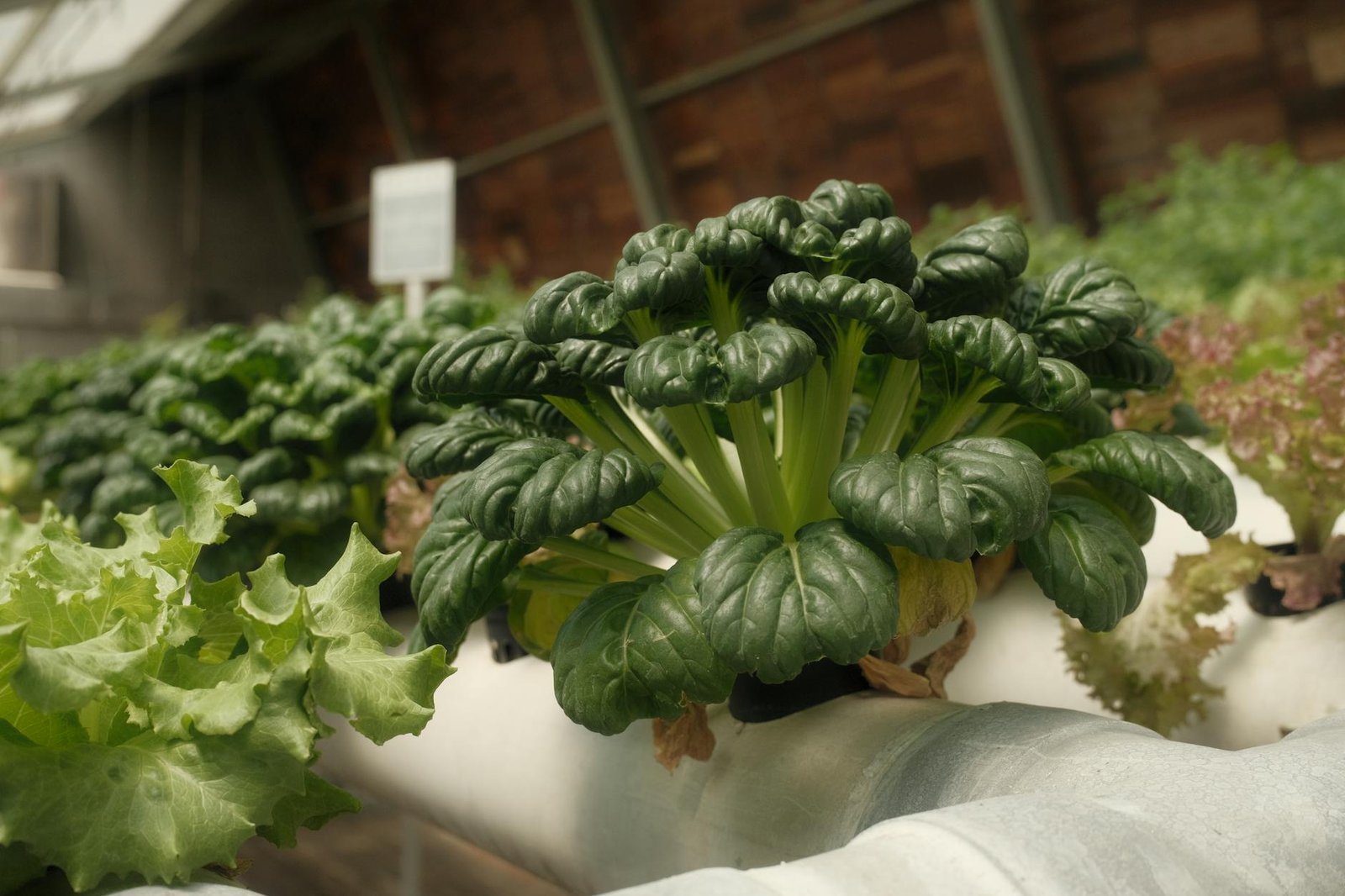
pH is a measure of acidity or alkalinity in a solution. Approximately, pH ranges from 0 to 14, with pH 7 being neutral.
When we add a pH sensor to a solution, it measures the amount of hydrogen ions. The more hydrogen ions, the lower the pH.
From a chemical perspective, we can understand that pH affects plant growth. For example, plants requiring moderate pH, like tomatoes, will not thrive in environments with high or low pH.

Therefore, it is crucial to regularly measure pH and ensure plants are exposed to a suitable environment.
In this article, we understood how pH sensors work and their impact on plant growth in aquaponics. By applying this knowledge, we can improve plant growth and ensure their health.
We recommend following the upcoming series from "tna W rna" for more information on aquaponics and smart technologies that can be applied in agriculture.