Jun 12, 2026 / By Anas Heaba / in Smart Farming & Technology
In Egypt, farmers face significant challenges in producing food efficiently without negatively impacting the environment. As Egypt's population grows, the demand for food increases, putting pressure on agriculture to be more productive and resilient.
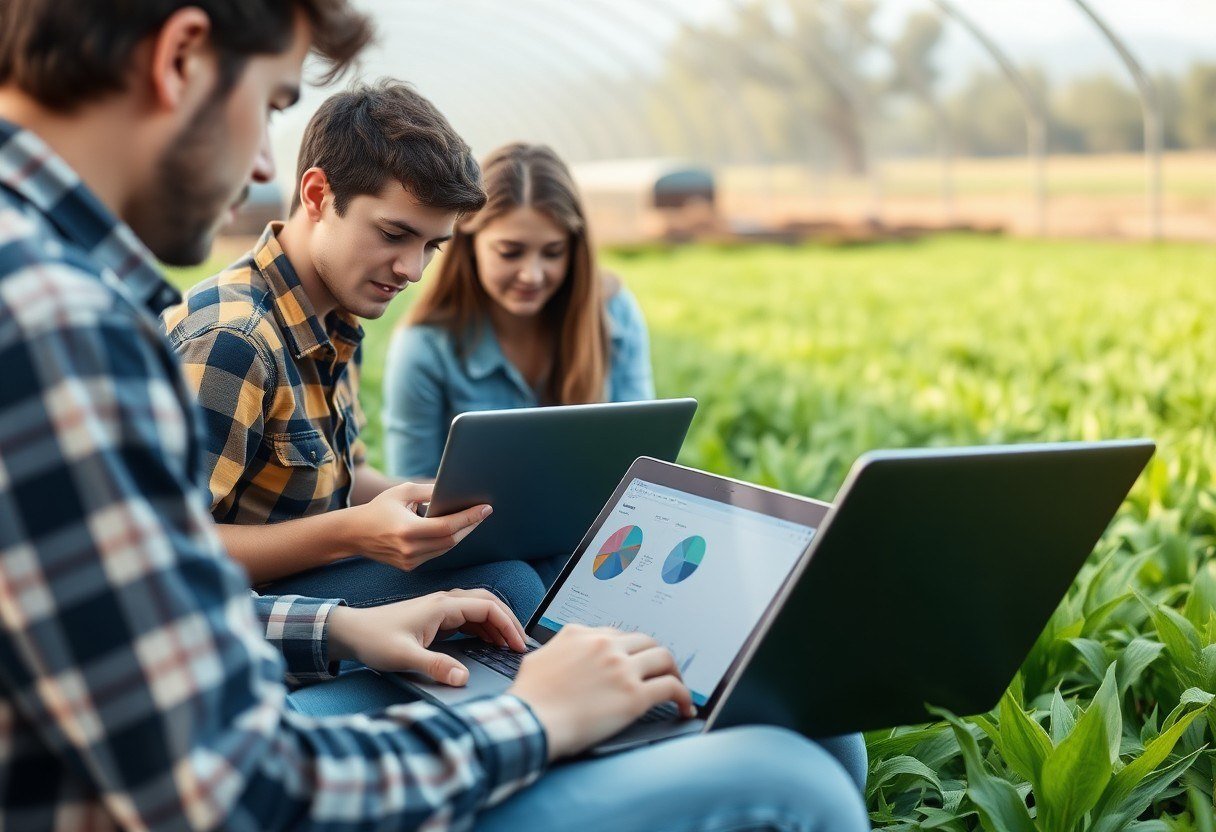
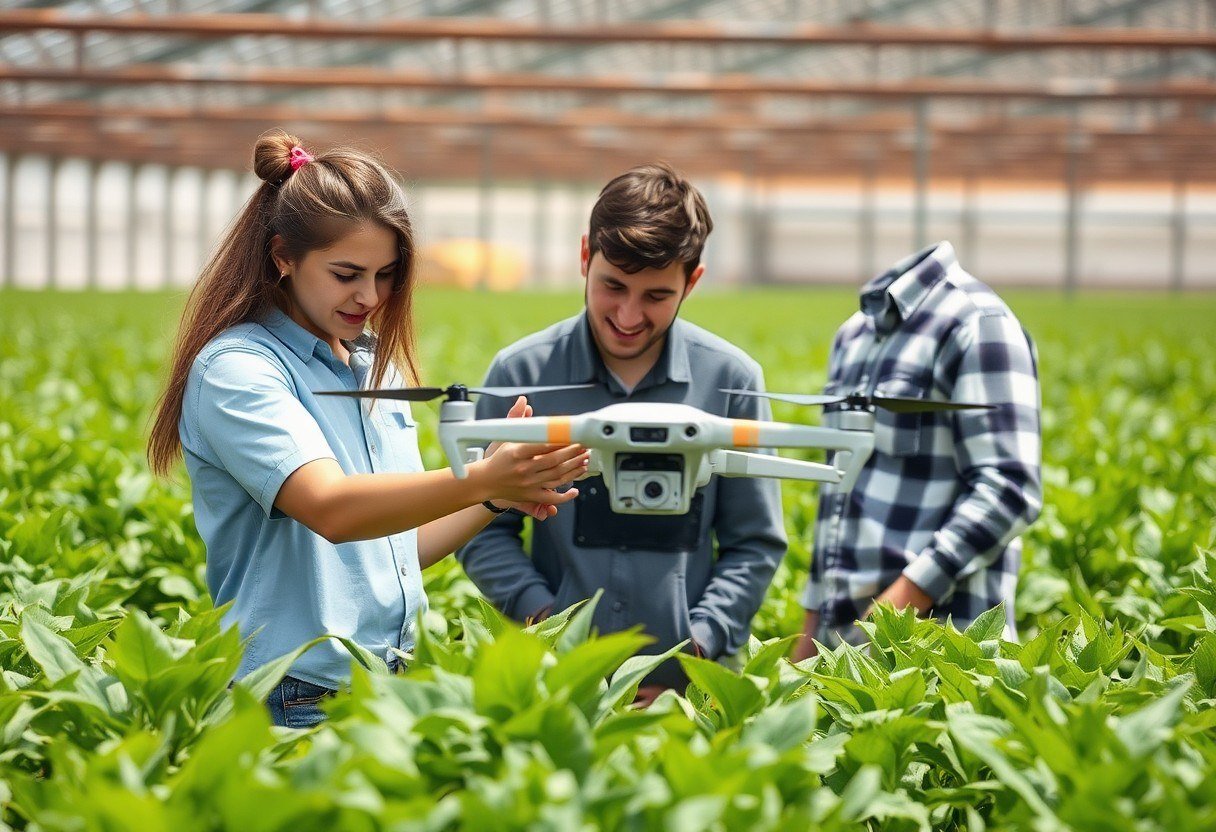
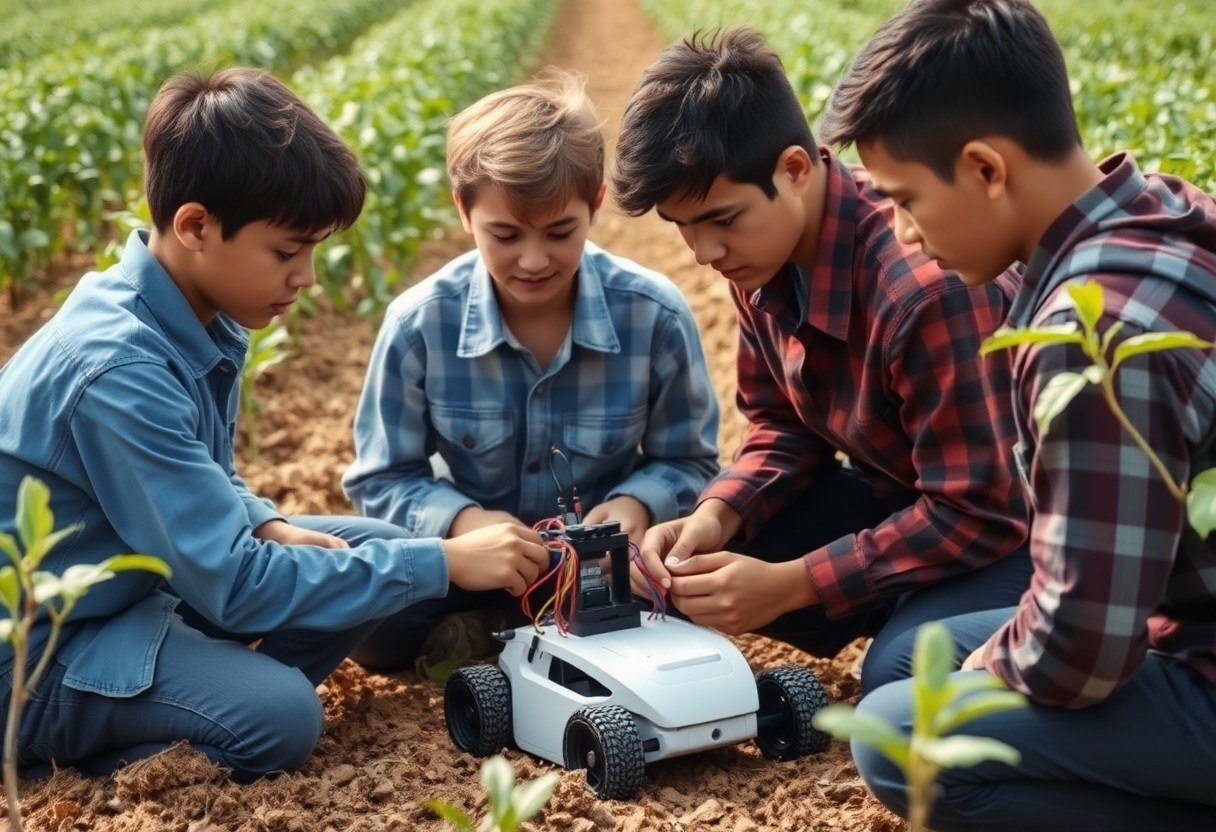
Artificial intelligence can be a solution to these challenges. Students can use AI in agricultural projects to improve productivity and reduce costs. But how can they get started?

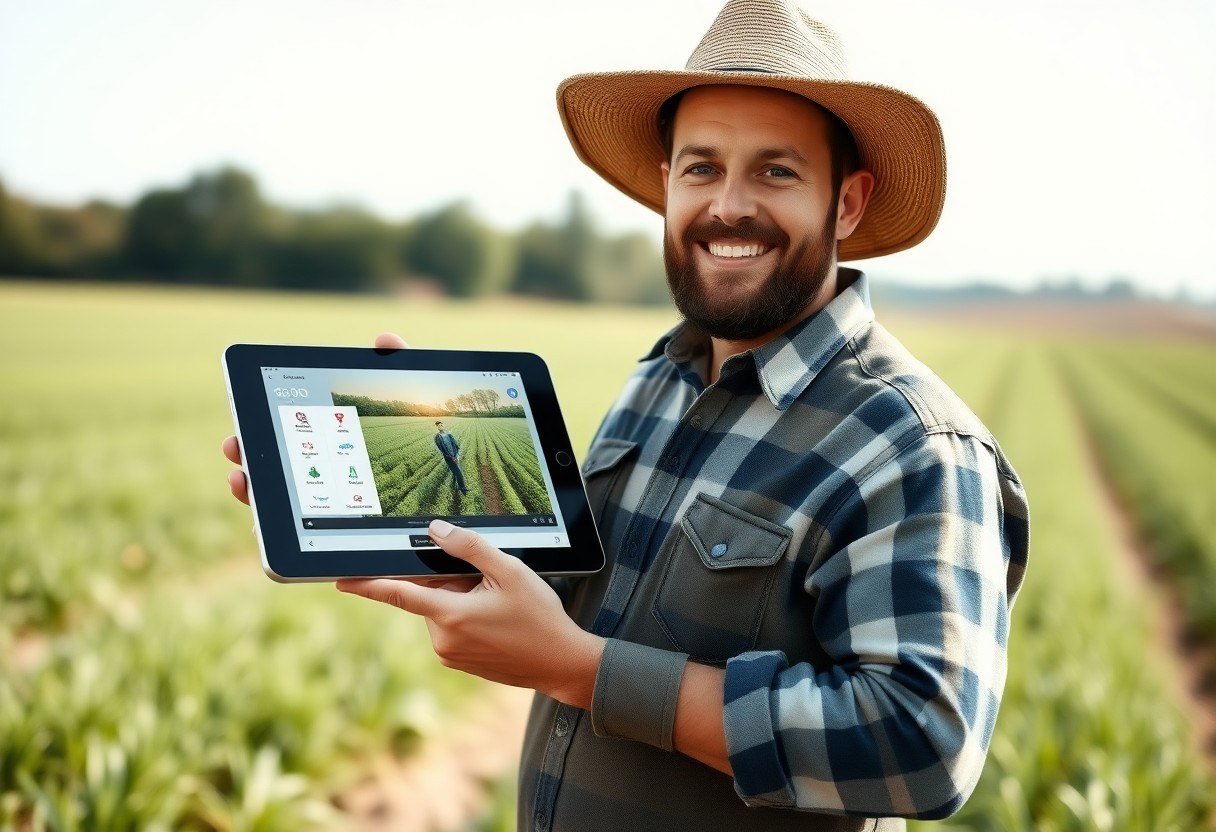
AI can help farmers make better decisions about planting, irrigating, and harvesting crops. AI software can analyze data collected by sensors in the farm, such as temperature, humidity, and water levels, to determine the optimal time for irrigation or spraying.
AI can also help farmers identify the best crops to plant in any given area, based on climate and soil conditions. AI programs can analyze historical data on weather and soil to determine the most suitable crops for a specific region.
The core problem in agriculture is resource scarcity. Water, soil, and nutrients are the essential resources farmers need to produce food. However, these resources are diminishing over time, increasing the pressure on farmers to produce more food.


Artificial intelligence is a technology that can analyze data and make decisions automatically.
AI can help farmers analyze data and determine the optimal time for irrigation or spraying.
Software such as TensorFlow and PyTorch can be used in agriculture.

AI can be a solution to the challenges farmers face. Students can use AI in agricultural projects to improve productivity and reduce costs. Students should collect data, analyze it, and apply AI software to determine the best decisions.
Jun 12, 2026 by Anas Heaba
Jun 11, 2026 by Anas Heaba