0 0
0
No products in the cart.

Dates, Nuts and Natural Spreads: A Practical Nutrition Guide | tna W rna | tna W rna

Jun 12, 2026 / By Anas Heaba / in Natural Foods Guides

Three pantry staples worth knowing well

Dates, nuts and natural spreads have been part of the Egyptian table for generations. They are simple, filling, and easy to add to almost any meal — from a quick breakfast to an afternoon snack with tea. This guide walks through the main types you will see, how people use them day to day, how to spot good quality, and how to keep them fresh in a warm climate. The goal is practical know-how, not promises: these are wholesome, traditional foods, and they are at their best when you choose and store them well.

Dates: varieties and everyday uses

Egypt grows a wide range of dates, and the differences are mostly about texture and sweetness. Soft, moist dates are great eaten on their own or stuffed with a nut. Semi-dry types hold their shape well and travel without sticking, which makes them handy for lunchboxes. Drier dates are firmer and keep for a long time.

In the kitchen, dates do a lot of quiet work. Many people use them as a natural sweetener in oat bowls, smoothies and energy balls, or simply chop a couple into yoghurt. They pair especially well with milk, tahini and nuts. A pitted date stuffed with peanut butter or a walnut half is one of the easiest snacks you can make.

Nuts: the main types and what they're good for

The most common nuts in Egyptian homes include almonds, walnuts, peanuts, pistachios, cashews and hazelnuts. Each has its place: almonds and cashews are mild and good for snacking or baking; walnuts have a richer, slightly bitter note that works in salads and with dates; peanuts are the everyday favourite, roasted or turned into spread; pistachios and hazelnuts shine in desserts and gifts.

You will usually find nuts raw or roasted, salted or unsalted. Raw nuts are the most flexible for cooking. Roasted nuts have more flavour for snacking. Choosing unsalted versions gives you more control over how much salt ends up in your food.

Natural spreads: what "natural" really means

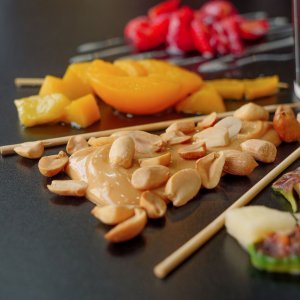
A natural spread is one made mainly from the nut or seed itself, ideally without added hydrogenated oils, artificial flavours or heavy sweeteners. Good Natural Peanut Butter, for example, should taste of roasted peanuts and little else, with a layer of oil that naturally separates on top — that separation is a good sign, not a fault. Tahini, almond butter and date paste belong to the same family of simple, ingredient-led spreads.

These spreads are easy to use: stir into oats, spread on bread with sliced banana or date, swirl into smoothies, or use as a dip. Because they are concentrated, a spoonful goes a long way.

How to judge quality

For dates, look for clean, plump fruit with an even colour and no sour or fermented smell. A little natural sugar crystallisation is normal. For nuts, freshness is everything: they should smell mild and nutty, never sharp, musty or like old oil, since nuts can turn rancid over time. For spreads, read the ingredient list — the shorter and more recognisable it is, the better. Oil separation on a natural spread is expected; a perfectly smooth, never-separating texture usually means added stabilisers.

Storage tips for Egyptian homes

Heat is the main enemy of nuts and spreads. Keep nuts in airtight containers away from sunlight; in summer, the fridge or freezer keeps them fresh much longer. Dates store well in a cool, dry cupboard, and the fridge keeps softer varieties from over-ripening. Once opened, natural spreads do best in the fridge — just give them a stir before each use to bring the oil back through.

Where to buy

When you buy these foods, freshness and honest sourcing matter more than anything. At tna W rna you can explore our Natural Foods range, including dates, mixed nuts and simple spreads like Natural Peanut Butter. Start with a small selection, see what your family enjoys most, and build your pantry from there.


Contact Us تواصل معنا