Jun 19, 2026 / By Anas Heaba / in Growing Guides
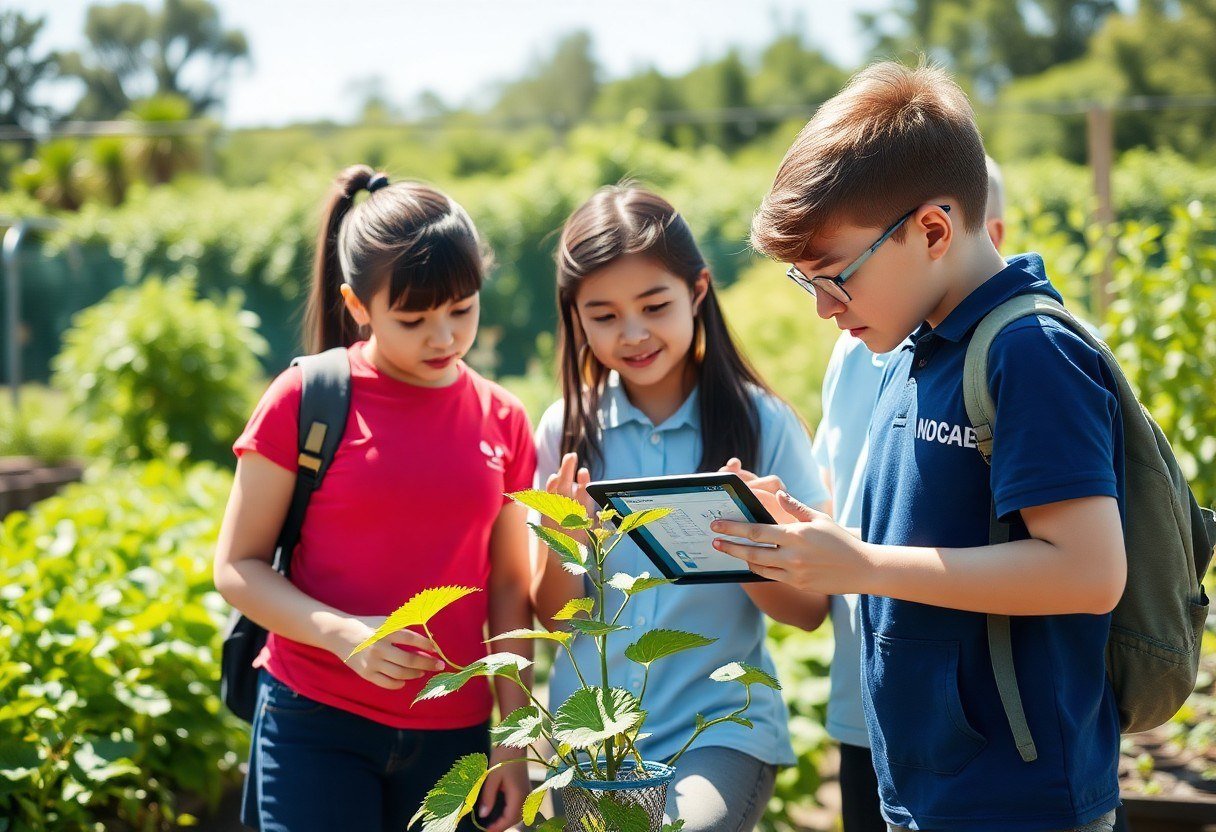
Imagine this scene: you're standing in your small school garden, where you planted tomato seeds two months ago. You've been watering them daily, eagerly tracking their growth, when suddenly yellow spots appear on the lower leaves. The leaves wilt one after another, and you don't know whether it's a fungal disease, a nutrient deficiency, or an insect pest. You search Google, compare images, but you can't be certain. You lose the crop, and feel frustrated.
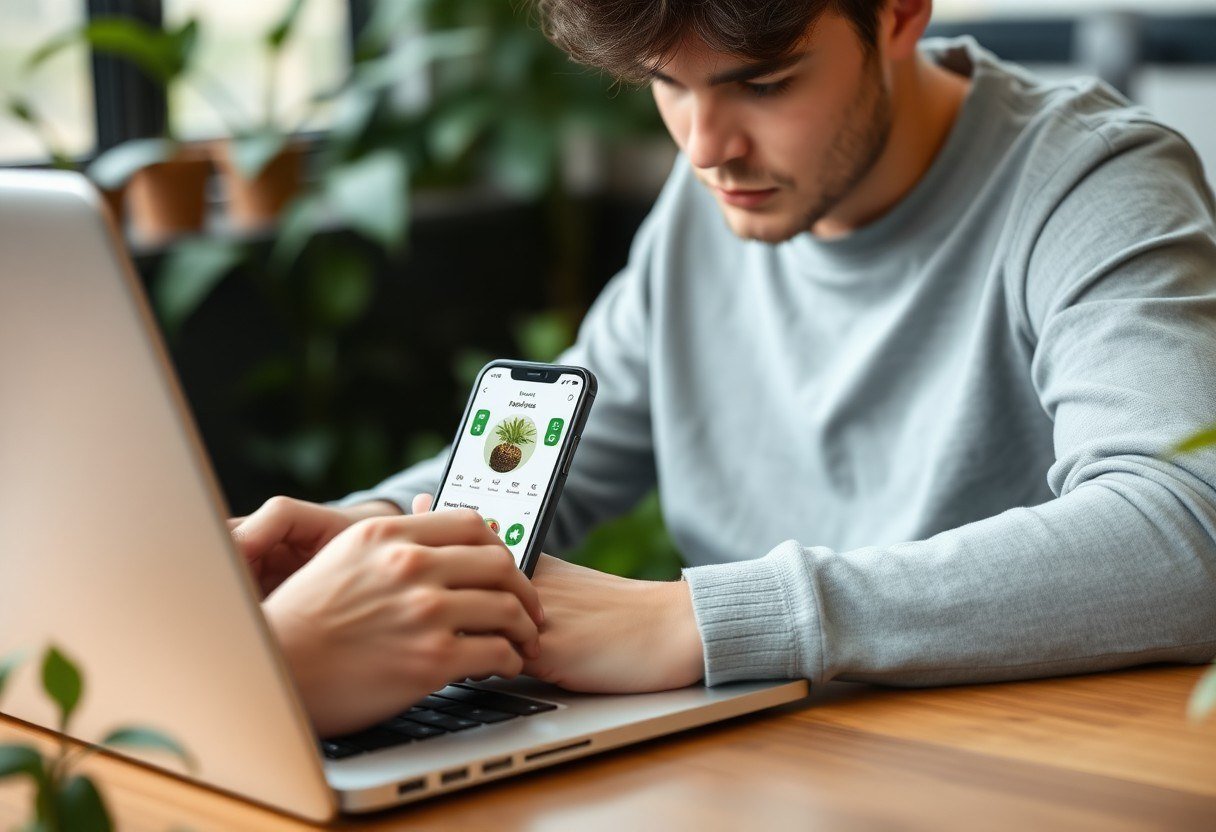
This struggle is faced daily by thousands of farmers and hobbyists in Egypt. But the good news is that the technology in your hands — your mobile phone camera — can become an accurate diagnostic tool if you equip it with the right intelligence. In this article, we'll take you on a practical journey to build a school project that uses Computer Vision and Artificial Intelligence (AI) to diagnose plant diseases. The project is simple, educational, and immediately applicable in any Egyptian school.

Egypt faces real agricultural challenges: water scarcity, rising temperatures, and soil salinization. These factors make plants more susceptible to diseases. According to reports from the Food and Agriculture Organization (FAO), Egypt loses about 30% of its crops annually due to diseases and pests. On the small plots owned by smallholder farmers — which represent over 80% of agricultural land in Egypt — losing a single crop can mean economic disaster.
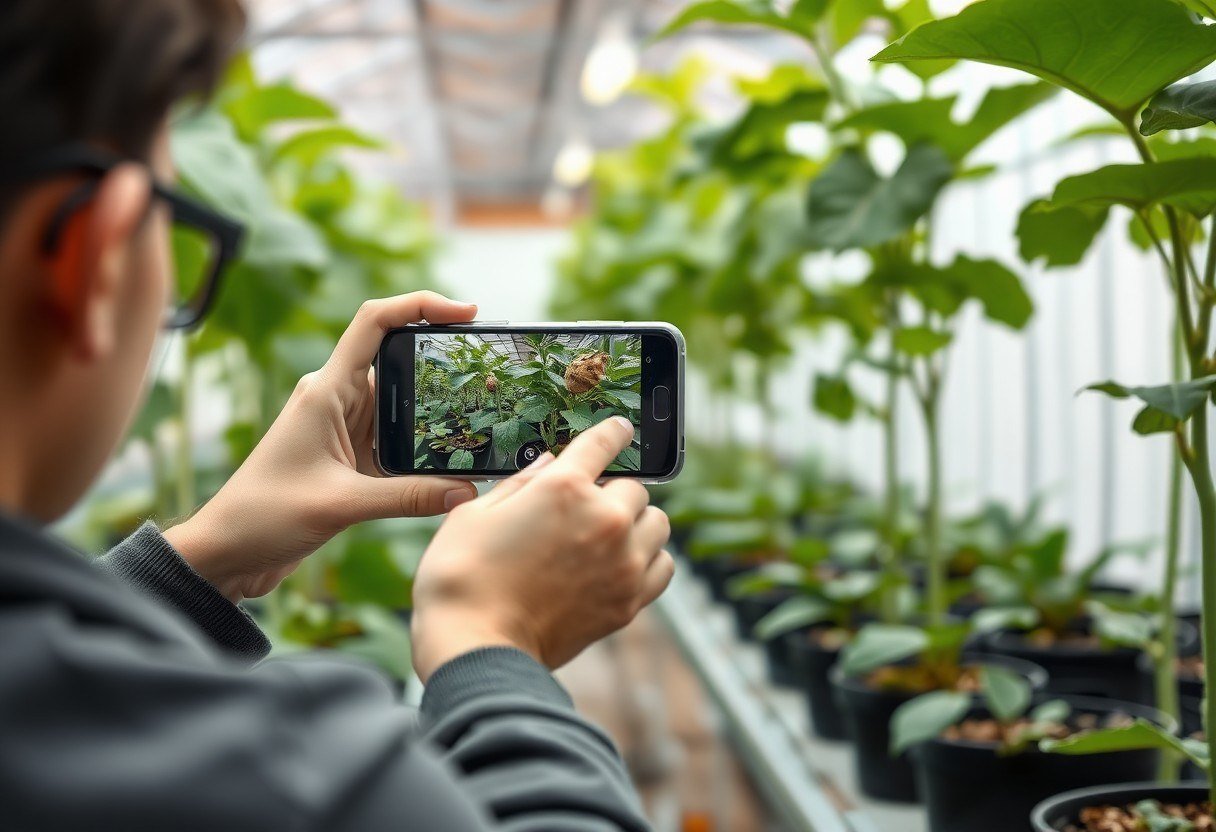
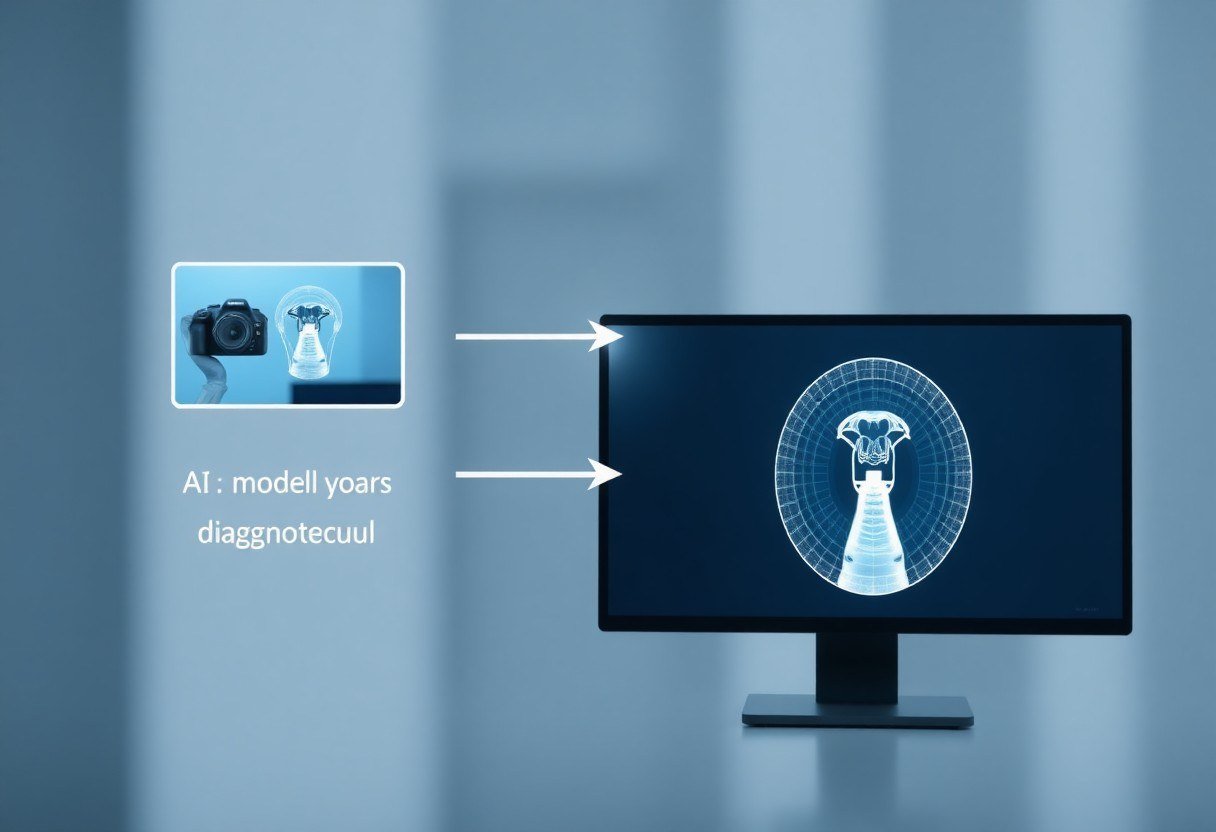
The problem is that early disease diagnosis requires expertise that isn't always available. A student at school, or a farmer in the field, cannot summon an agricultural engineer for every wilting leaf. This is where a simple IoT project comes in: a camera + an AI model trained on thousands of plant disease images. With this project, a student can capture a photo of the infected leaf, send it to a model, and receive an instant diagnosis with up to 95% accuracy in some studies. This is not a scientific luxury; it's a practical tool for improving food security and conserving resources.
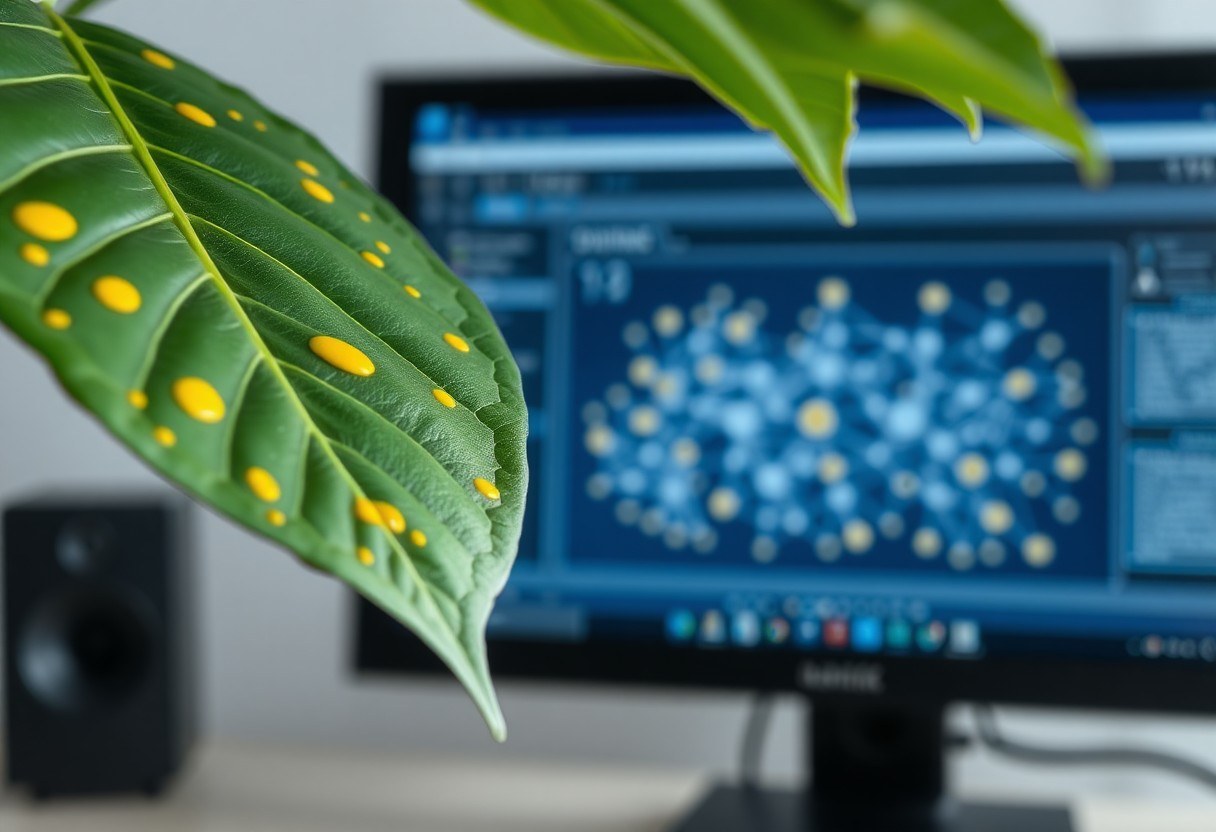
Why is it difficult to diagnose plant diseases with the naked eye? Because the symptoms are similar. Brown spots could be caused by a fungus (like early blight), bacteria, or even sunburn. White mold could be powdery mildew or pesticide residue. The human eye — even an expert one — needs time and comparison with reference images. But artificial intelligence, specifically computer vision models (like Convolutional Neural Networks - CNN), learns to distinguish subtle patterns in leaf color, texture, and spot shape. The model is trained on thousands of labeled images (healthy leaf, leaf infected with a specific disease), then learns to extract the distinctive features of each disease. When you capture a new image, the model compares it to what it has learned and gives a prediction.


No, not necessarily. Tools like Google's Teachable Machine allow you to train the model without writing any code. All you need are labeled images. If you want to go a step further, you can learn the basics of Python and TensorFlow in a school workshop.
Well-trained models (with over 1000 images per disease) achieve up to 95-98% accuracy under ideal conditions. However, they are not a substitute for lab analysis in critical cases. Use it as an auxiliary tool for initial screening.
Absolutely. This project is ideal for Science Fairs or IoT competitions. You can add humidity and temperature sensors to link the diagnosis with environmental conditions, making it a fully integrated project.
This is normal at the beginning. Add more images for the condition the model got wrong, and retrain. The more data you have, the better the accuracy. You can also manually classify the incorrect images to teach the model.

Diagnosing plant diseases with a camera and artificial intelligence is no longer science fiction; it's a practical school project you can implement today. Using your phone, free tools, and a little patience, you can build a model that helps you and your colleagues maintain the plants in your school garden. More importantly, you will learn how computer vision works and how the right data can turn an ordinary phone into a smart diagnostic tool. Start with a small step: capture images of your plant leaves today, and experiment. And don't forget to follow the "IoT for Schools" series tomorrow, where we'll cover a new project.
Jun 20, 2026 by Anas Heaba