0 0
0
No products in the cart.

How to Grow Baby Rubber Plant / Peperomia (Peperomia obtusifolia, genus Peperomia) in Egypt: A Complete Guide | tna W rn...

Jun 11, 2026 / By Anas Heaba / in Growing Guides

Why grow Baby Rubber Plant / Peperomia (Peperomia obtusifolia, genus Peperomia) in Egypt

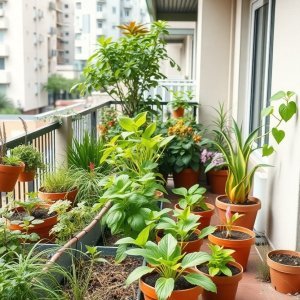
Peperomia is one of the friendliest foliage houseplants you can keep. It is a compact evergreen from the pepper family (Piperaceae), usually staying around 20-38 cm tall and wide, with thick, glossy green (sometimes variegated) leaves. The baby rubber plant, Peperomia obtusifolia, reaches roughly 15-30 cm in height with a 30-60 cm spread, so it fits comfortably on a desk, shelf or balcony rail.

For Egyptian homes it ticks every box: it handles partial shade and even low light, helps freshen indoor air, and asks for very little attention. It is grown purely for its leaves, since its flowers are only insignificant greenish-white spikes. If you want a tidy green plant that survives a busy schedule, this is it.

Best planting time in Egypt

Peperomia is frost-tender (hardy only in USDA zones 10-12) and likes a steady 18-30 C, never dropping below 10 C. That means in Egypt it lives indoors or on a shaded balcony year-round rather than out in an open field. Because it is grown from cuttings rather than seed, the key timing question is when to propagate.

The sweet spot is spring (roughly March to May) and into early summer, when the 18-30 C range is easy to hit and cuttings root quickly. In the mild Delta winter (November-February) nights can dip toward or below 10 C, so keep plants indoors, away from cold drafts, and ease off watering. In Upper Egypt and through the hot summer the real danger is heat and direct sun, so keep the plant in bright shade and out of harsh afternoon light.

How to plant

Start with a cutting, not a seed. In spring or summer, take a softwood stem cutting about 8-13 cm long, cutting just below a leaf node. Remove the lower leaves, then root it either in a glass of water or directly in gritty, free-draining compost before potting on. Fleshy-leaved types can also be grown from leaf cuttings, keeping about 2.5 cm of the leaf stalk attached. An established P. obtusifolia can also be increased by division.

Use a well-drained mix: a good blend is two parts peat-free ericaceous compost, one part perlite and one part medium orchid bark, while succulent-leaved types prefer a sharp cactus mix. Choose a pot only a few centimetres wider than the rootball. Since peperomia grows slowly, it can happily stay in the same pot for two or three years; repot only when roots are densely packed or pushing out of the drainage holes.

Fertilizing

Feed only during active growth, in spring and summer. A simple routine is a half-strength liquid fertiliser every two weeks from April to October. As an alternative, use a low-strength liquid feed occasionally through the growing season, or a slow-release granular fertiliser just once a year. Do not feed at all in winter, when the plant is resting.

Care & watering

Light is the first thing to get right. Give bright but indirect or filtered light, such as an east- or west-facing windowsill, or set the plant back from a south-facing window. Direct summer sun scorches the leaves, and variegated types need filtered light to keep their markings. The plant tolerates lower light, and P. obtusifolia handles part to deep shade.

For watering, let the top few centimetres of the mix dry out between waterings; check with a finger and water only when it feels dry. Never keep it soggy, because the roots rot easily, leading to yellowing and dropping leaves. Reduce watering in winter. Peperomias are sensitive to fluoride, so rainwater or filtered water is preferable. They enjoy humid air but adapt to normal household humidity; stand the pot on a wide tray of damp gravel, or run a humidifier in dry winter air. Watch for mealybugs, spider mites, scale, whiteflies and fungus gnats, and keep the foliage dry to avoid fungal leaf-spot and root rot.

Harvest

Peperomia is not a crop you harvest. The reward is its lush, glossy foliage all year. The closest thing to a harvest is taking your own cuttings: every spring you can trim a few healthy stems to root and multiply your plant, sharing baby peperomias with friends or filling more pots around the home.

Where to get the seeds

Since peperomia is propagated from cuttings rather than seed, the easiest start is a healthy young plant you can grow on or take cuttings from. At tna W rna you can order a ready-to-grow Baby Rubber Plant / Peperomia that arrives as a compact, easy-care foliage plant, ideal for indoor or shaded-balcony life in Egypt. Pick up a peperomia for your own home, then use spring cuttings to expand your collection over time.


Contact Us تواصل معنا