0 0
0
No products in the cart.

How to Grow Fava Bean / Broad Bean (Vicia faba) in Egypt: A Complete Guide | tna W rna

Jun 11, 2026 / By Anas Heaba / in Growing Guides

Why grow Fava Bean / Broad Bean (Vicia faba) in Egypt

The fava bean, known in Egypt as fool, is the broad bean (Vicia faba L.), a hardy legume in the family Fabaceae. It is one of the easiest cool-season crops to grow at home, and it rewards you twice: you can pick the pods young and tender for a fresh green vegetable, or leave them to dry on the plant for a storable pulse. As a legume it also works for your soil rather than just taking from it, fixing its own nitrogen and leaving the bed richer for whatever you plant next.

Best planting time in Egypt

Fava bean is a winter crop in Egypt. It needs cool weather, grows best at around 13–18 °C, and performs poorly once temperatures climb above about 27 °C, so it cannot survive an Egyptian summer. The trick is to sow in autumn so the plant grows through the mild winter (November to February) and matures before the heat arrives.

For the Nile Delta and Lower Egypt, field research at Alexandria University (Saba Basha) and the North Delta found that sowing around 1 November is the sweet spot. Late-October sowing also performed very well, while delaying past early November reduced vegetative growth, biological yield and seed yield. In the warmer governorates of Upper Egypt you can start a little earlier, from mid-to-late October, to make the most of the cool window before spring heat. Expect to harvest roughly between February and April depending on sowing date and variety.

How to plant

Choose a sunny, sheltered spot that gets six or more hours of direct sun a day, with fertile, moist but well-drained soil. Fava beans build a long taproot and do not transplant well, so always sow the seed directly where it will grow rather than raising seedlings to move later.

Sow each seed about 5 cm deep; on light, sandy soils use the deeper end of that range. Space seeds about 15–23 cm apart within the row, depending on the variety. For single rows, leave about 45 cm between rows. If you prefer double rows, set plants about 23 cm apart and leave roughly 60 cm between each pair of rows so you can reach in to tend and pick. Germination is reliable in cool soil: seeds will sprout at soil temperatures as low as about 4 °C, with an ideal range of roughly 10–16 °C, and seedlings usually emerge in about 7–15 days.

Fertilizing

Because fava bean is a legume, it fixes its own nitrogen through a partnership with the bacterium Rhizobium leguminosarum. The first time you grow favas in new ground, inoculate the seed with this bacterium before sowing; it boosts yield and usually removes the need for much added nitrogen fertilizer. Where soil phosphorus is low, band a phosphorus fertilizer at planting near the seed row to drive strong, vigorous early seedling growth.

Care & watering

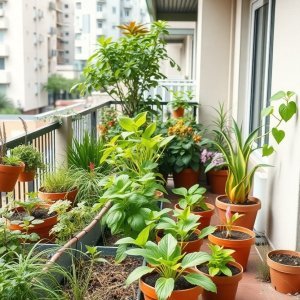
Water becomes most important once the plants start flowering, and again about two weeks later, because this is when the pods are setting. If you are growing in containers, water more frequently throughout the season, as pots dry out faster than open ground.

Once the lowest flowers have set their first small pods, pinch out the soft shoot tips. This simple step reduces and delays black bean aphid (blackfly), which loves to colonise the tender tips, and it also improves yield. Blackfly is the main pest, and its sticky honeydew can encourage fungus, so stay watchful. The main fungal diseases to know are chocolate spot, which shows as dark chocolate-coloured spots on all parts of the plant, and broad bean rust.

Harvest

For tender green beans, pick while the pods are full but still fairly small and the scar (hilum) on the bean is still white or green rather than black. Very young pods can be picked at about 7 cm long for the most delicate eating. If you want dried beans for storage, leave the pods on the plant until they dry out completely before harvesting.

Where to get the seeds

Start with good seed suited to the Egyptian winter. The classic local choice is Hourani fava bean seeds (Vicia faba), a dependable variety for fresh and dried use. If you want a fresh-eating bean, try the Spanish green fava bean seeds for plump tender pods, or the traditional baladi green fava bean seeds for a well-adapted home-garden crop. All are available from tna W rna.


Contact Us تواصل معنا