Jun 26, 2026 / By Anas Heaba / in Growing Guides
Imagine this scenario: you are a science teacher in a public school, trying to explain climate change and its impact on agriculture in Egypt. Students are bored with abstract theories, and you are looking for a practical way to connect the curriculum to their daily reality. At the same time, the small school garden suffers from irregular watering, and plants die from the intense summer heat without knowing precisely when they need extra water.
This is where the school weather station comes in. It is not just an educational tool, but a complete applied project that teaches students programming, electronics, and data analysis, while also helping to improve the productivity of green spaces at school. In this article, we will take you step by step to build a simple weather station that publishes its data online, using available components and a limited budget suitable for any Egyptian school.

Egypt suffers from severe climate changes: summer temperatures exceed 40 degrees Celsius in many areas, and water scarcity threatens traditional agriculture. According to Ministry of Irrigation reports, agriculture consumes about 85% of Egypt's freshwater resources, and any waste due to watering at the wrong time costs farmers and schools significant losses. In schools that have small gardens (ranging from 50 to 200 square meters), the impact of weather is direct: a tomato seedling wilts on an extremely hot day if not watered early in the morning, and basil plants die from excess moisture after a sandstorm.
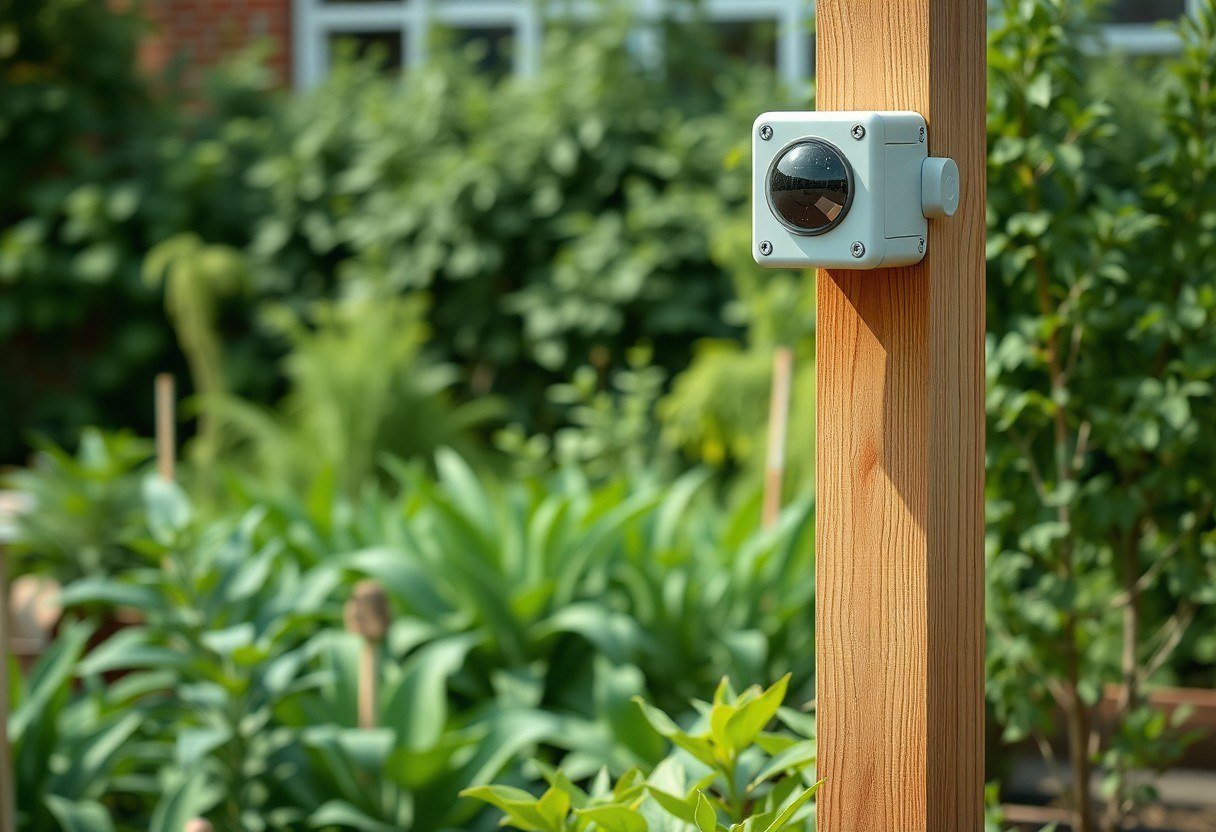
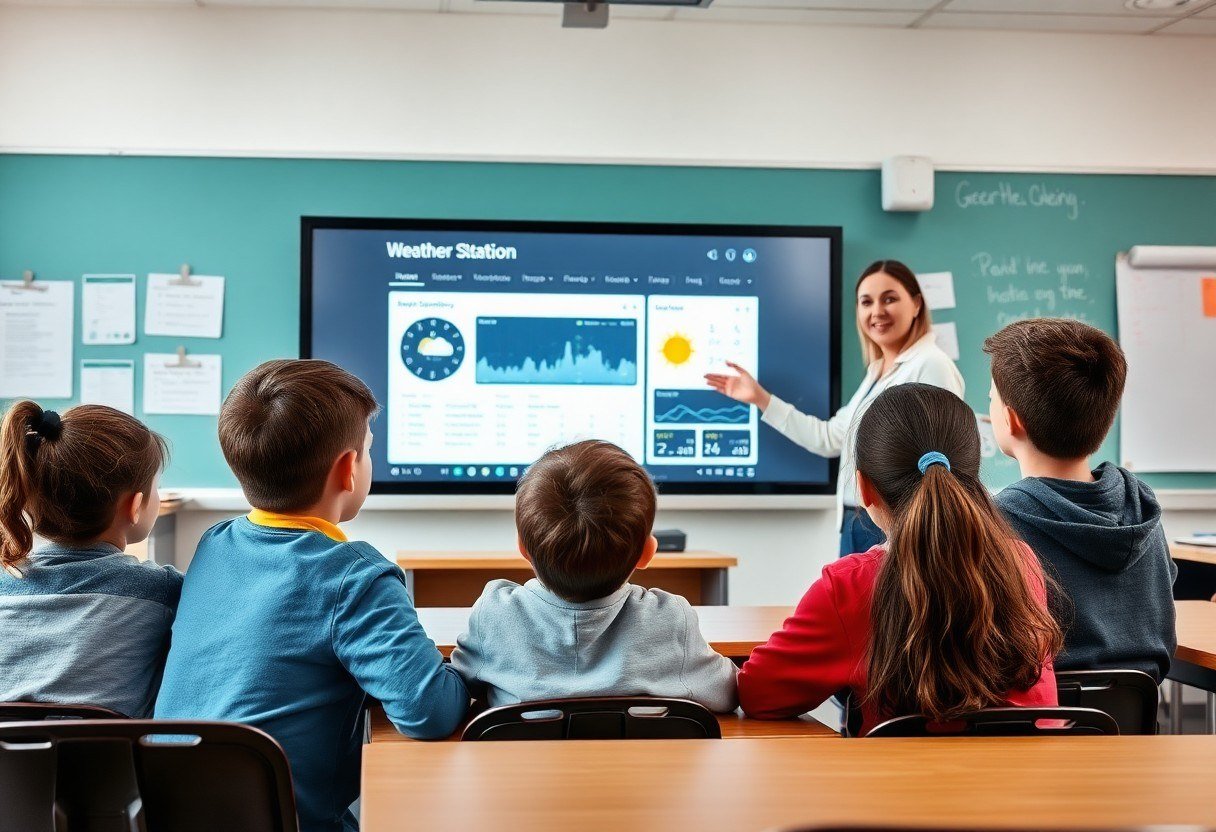
The school weather station offers a practical solution: instead of relying on guesswork or general meteorological data (which often comes from stations far from the school's location), students can measure temperature, humidity, wind speed, and rainfall at their site accurately. This data helps determine optimal watering times and reduce water consumption by up to 30%, according to applied studies in European schools. Most importantly, students learn 21st-century skills: programming, data analysis, and teamwork, all of which are in demand in the Egyptian job market.
The main problem is not a lack of devices or technology, but the absence of applied, project-based education. Egyptian curricula rely on memorization and rote learning, while students need to touch things with their own hands to understand the relationship between cause and effect. When a student studies the water cycle from a textbook, they may memorize it and answer on the exam, but they do not connect it to the reality that the pepper plant in the school garden needs more watering on hot, dry days.
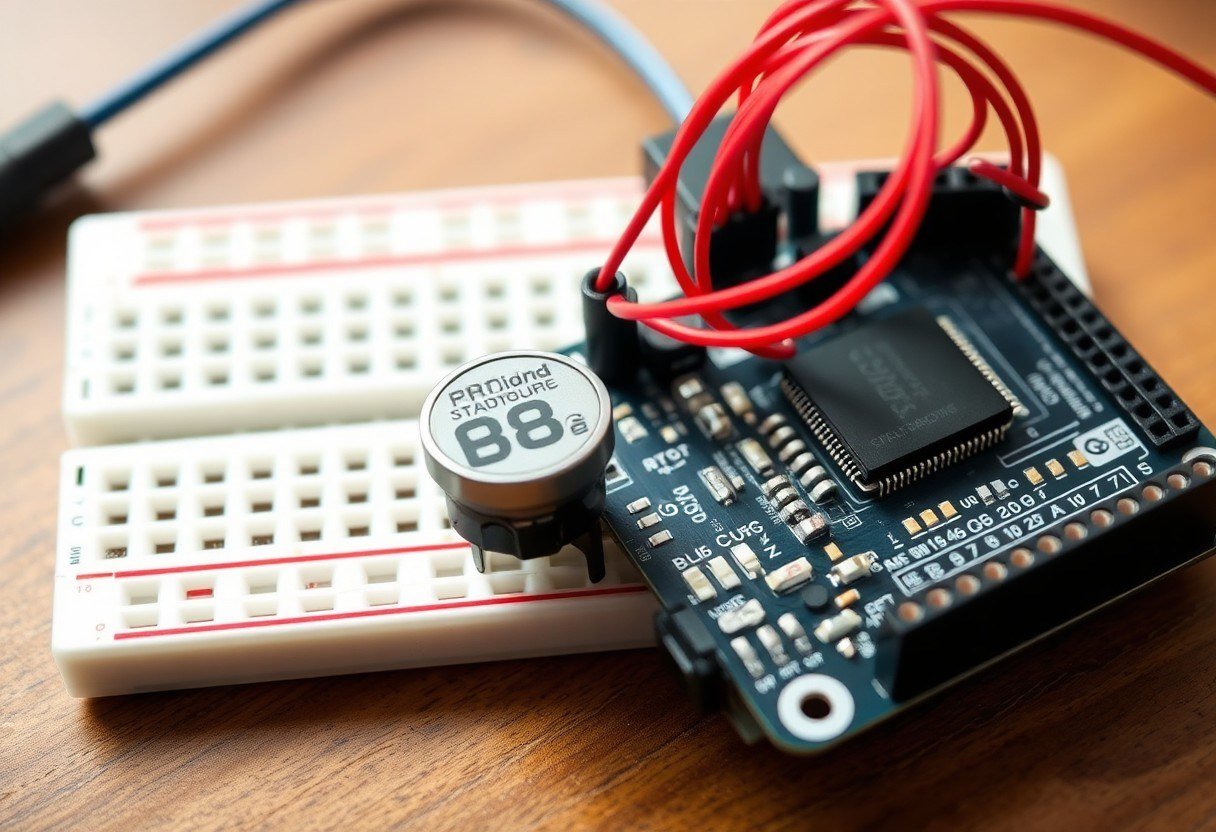
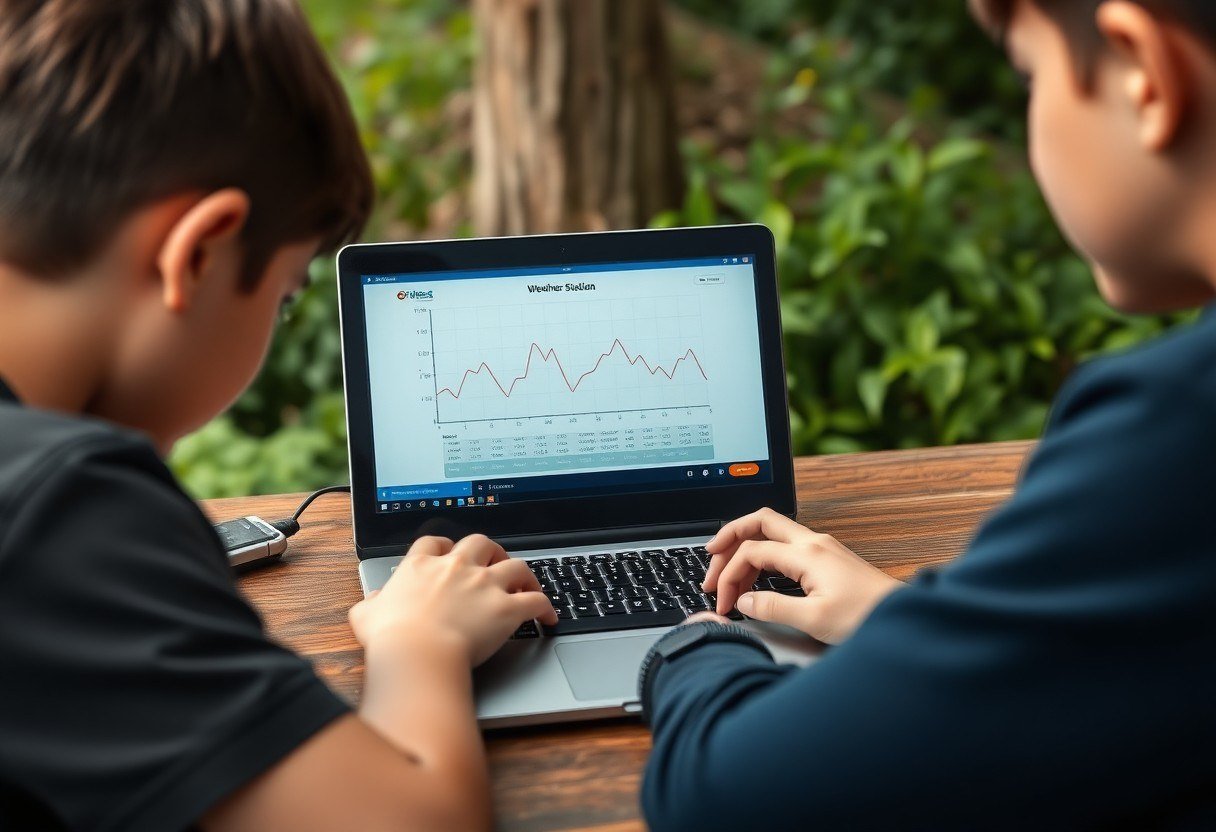
Scientifically, the weather station is based on a simple principle: converting physical phenomena (temperature, humidity, atmospheric pressure) into electrical signals that can be read by a microcontroller (such as Arduino or ESP32). These signals are processed and sent via Wi-Fi to an Internet of Things (IoT) platform, where they can be displayed on a dashboard that anyone can see through a web browser. The real problem is that most schools lack the technical expertise to install these systems and believe they are expensive and complicated. But the truth is that the basic components cost no more than a few hundred Egyptian pounds, and any middle school student can learn to program them within a week.


No, you can start with ready-made code from the internet and modify it simply. There are many free tutorials in Arabic and English explaining every line of code. It is enough for the student to have curiosity and a desire to learn.
Using an ESP32 and two basic sensors (temperature/humidity and atmospheric pressure), the cost ranges between 250 and 400 Egyptian pounds (depending on the place of purchase). The cost can be reduced by using an Arduino Nano instead of the ESP32 with the addition of a cheap Wi-Fi module.
Absolutely. The board and sensors can be reused in other projects such as an automatic irrigation system or a fire alarm device. The station itself can continue working for years with simple maintenance (cleaning sensors and changing the battery every 6 months).
It will not be 100% accurate due to differences in sensor quality, but it is sufficient for educational and simple agricultural purposes. Students can compare their data with data from a nearby weather station (such as Cairo Airport station) and analyze the differences.

Building a school weather station is not just a technological project; it is a gateway to teaching students critical thinking, problem-solving, and understanding the relationship between technology and nature. With simple steps and a limited budget, any Egyptian school can turn its small garden into a living laboratory for science and programming. Start today by gathering the tools, and encourage your students to experiment and make mistakes, because real learning happens when we err and correct. Follow the "IoT for Schools" series tomorrow, where we will explain how to connect the weather station to a smart automatic irrigation system.
Jun 26, 2026 by Anas Heaba
Jun 25, 2026 by Anas Heaba