Jun 16, 2026 / By Anas Heaba / in Growing Guides
Imagine this scenario: You are responsible for a vaccine refrigerator in a government hospital in an Upper Egypt governorate, and suddenly the power goes out for four hours in the peak of summer, with outdoor temperatures exceeding 45°C. The power returns, but do you know exactly what happened inside the refrigerator? Did the temperature exceed safe limits, even for minutes? Have the vaccine doses sufficient to vaccinate hundreds of children been spoiled? In Egypt, where temperatures are high most of the year and some facilities suffer from unstable power supply, the cold chain becomes the first and last line of defense to keep vaccines effective and safe.
This article is not just theoretical explanation, but a practical guide for you as a manager, technician, or even a doctor in a hospital or health unit. We will reveal why the 2-8°C standard is more than just a number, and how you can implement a precise monitoring system that not only ensures vaccine safety but also ensures your compliance with audit records required by regulatory bodies. The issue is more urgent than you might imagine, especially with national vaccination campaigns and increased reliance on heat-sensitive vaccines.

In Egypt, summer maximum temperatures range between 35 and 45 degrees Celsius in most governorates, and exceed 50 in some desert areas. This harsh climate places immense pressure on any cooling system. According to World Health Organization reports, nearly 50% of vaccines worldwide are wasted annually due to cold chain problems, and Egypt's share of these losses is not small. Imagine the cost of purchasing replacement vaccines, delaying vaccination campaigns, and most importantly, the risk of administering ineffective vaccines to patients.
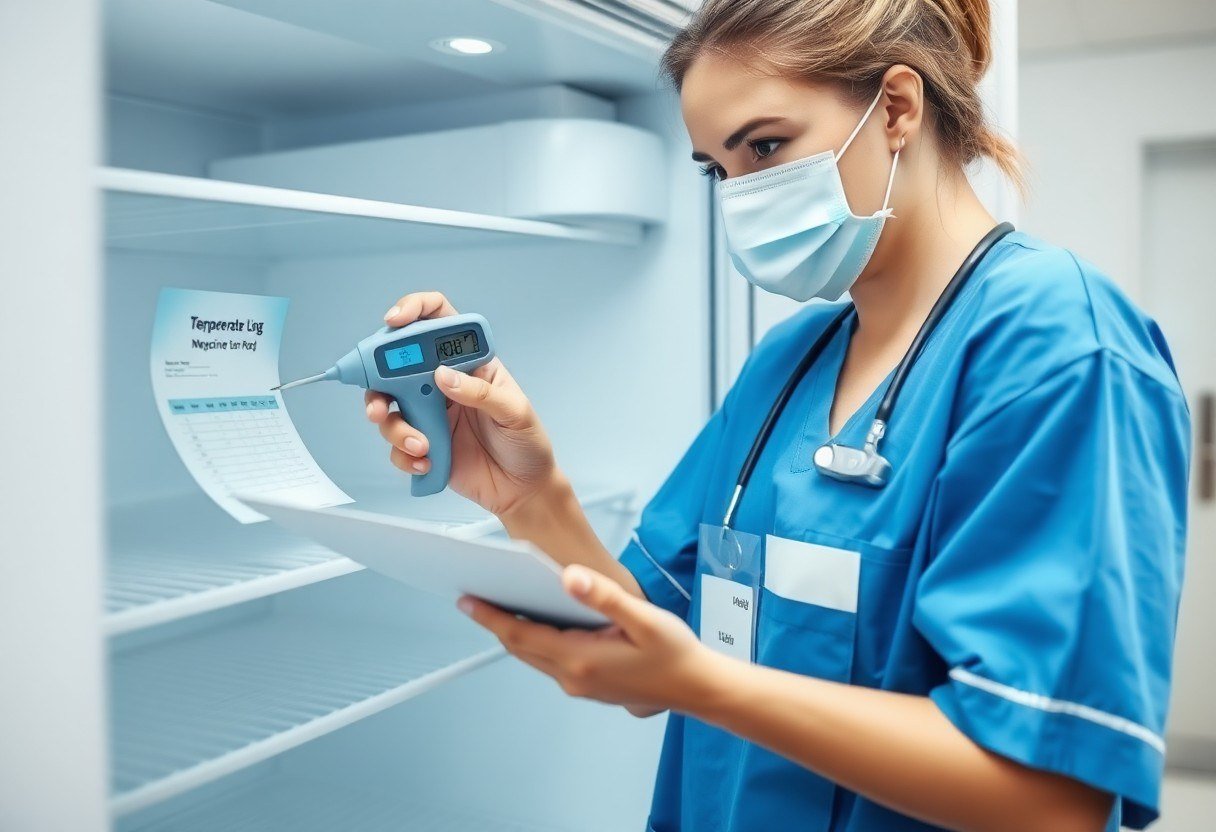
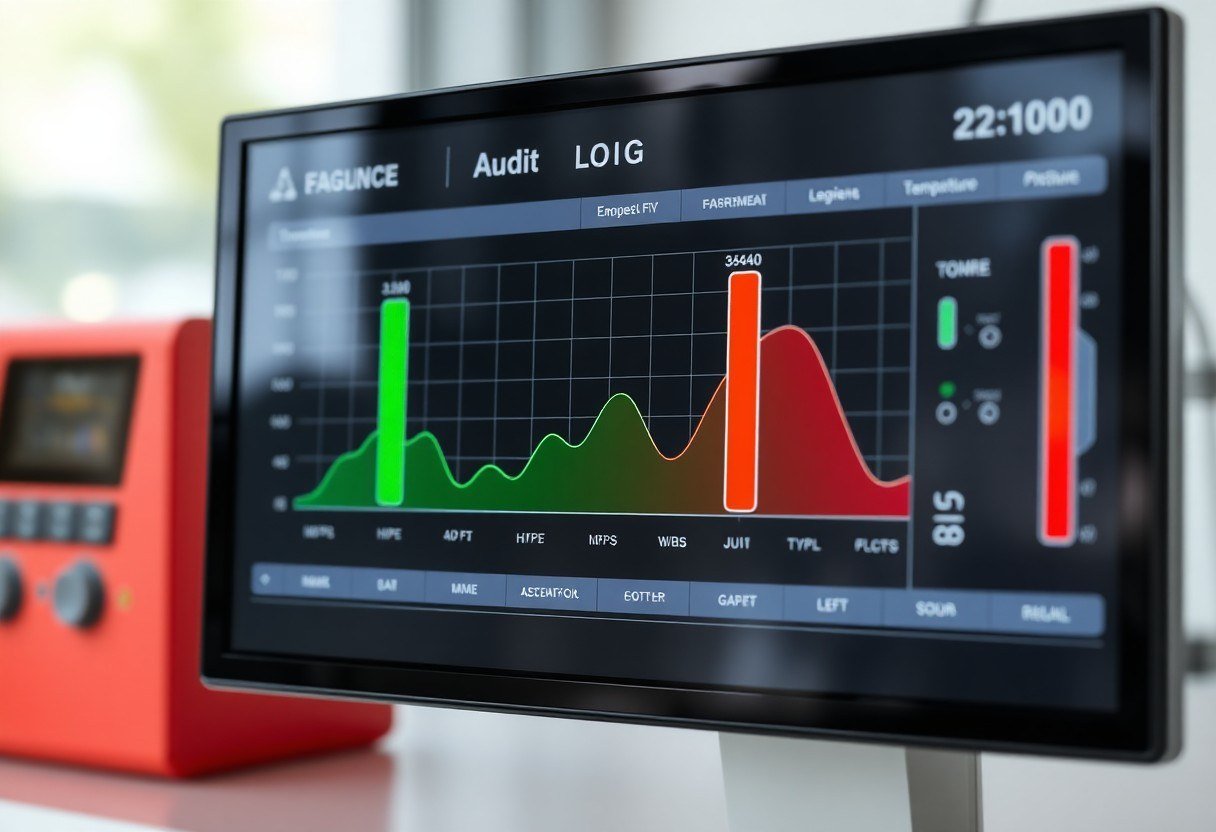
In addition to heat, there are other challenges such as frequent power outages in some areas, inadequate periodic maintenance of cooling devices, and lack of staff training. All these factors make it essential to have a precise and continuous monitoring system. Not only to monitor temperature, but to record every deviation and document it in an audit log compliant with the standards of the Egyptian Drug Authority and the World Health Organization. This record is what will protect you legally and ensure the quality of the service provided.
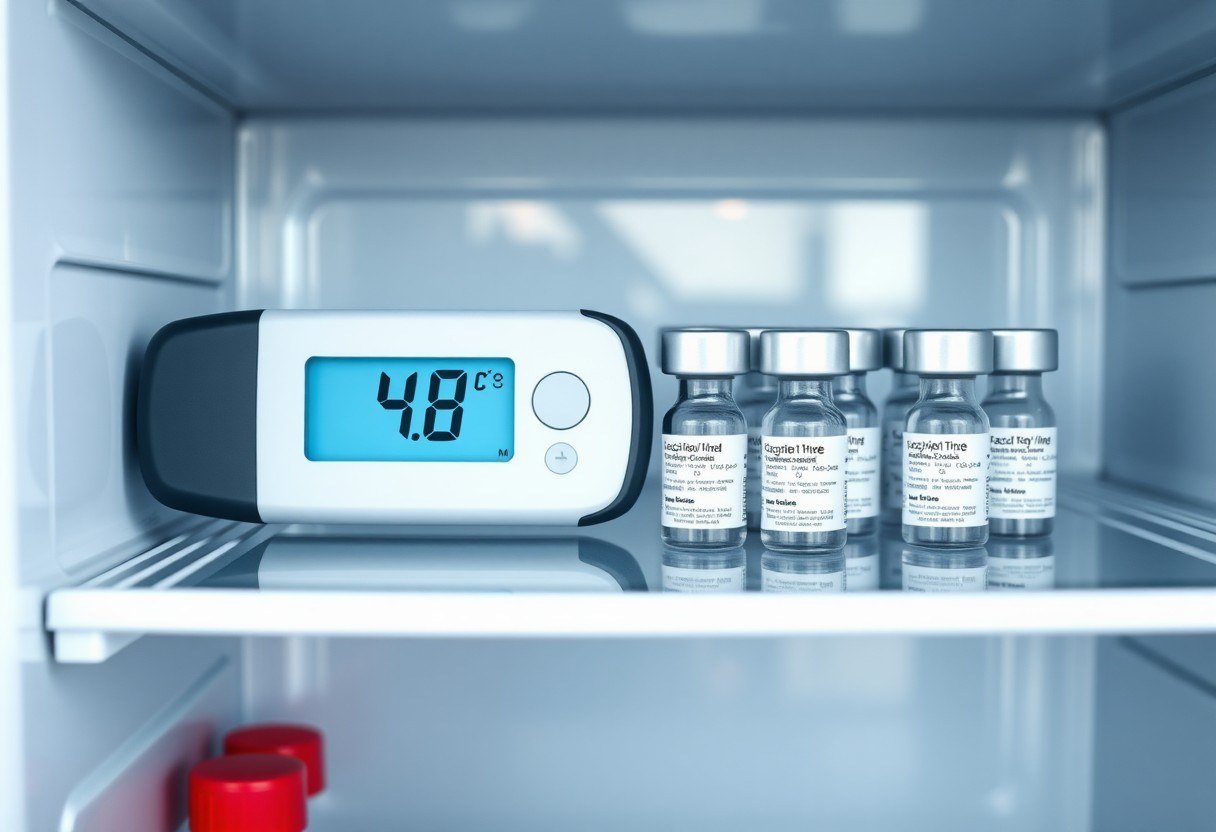
Why specifically the temperature range between 2 and 8 degrees Celsius? Vaccines, like any biological product, contain proteins and weakened microorganisms or parts thereof. These components are very sensitive to heat. When the temperature rises above 8 degrees Celsius, these proteins begin to denature or the weakened virus loses its ability to stimulate the immune system as required. Simply put, the vaccine becomes useless saline water.
On the other hand, if the temperature drops below 2 degrees Celsius, the vaccine may freeze. Freezing causes water to crystallize inside the vial, breaking the molecular structure of the vaccine and making it unusable, and may even cause severe reactions upon injection. Therefore, maintaining this narrow range is not a luxury but an essential condition for vaccine efficacy and patient safety. The problem is that most ordinary refrigerators are not designed to maintain this range accurately, especially with frequent door opening or power outages.


First, do not open the refrigerator unless absolutely necessary. If you have a generator, turn it on immediately. If not, transfer the vaccines to another approved refrigerator in a nearby building or use insulated cool boxes with ice packs (ensuring the ice does not directly contact the vaccines). Record the time of the outage and the temperature upon return.
The device should be calibrated at least annually by a specialized and accredited body. Some guidelines recommend calibration every six months if the refrigerator is in a harsh environment or if you notice inaccurate readings. Keep the calibration certificate in the audit file.
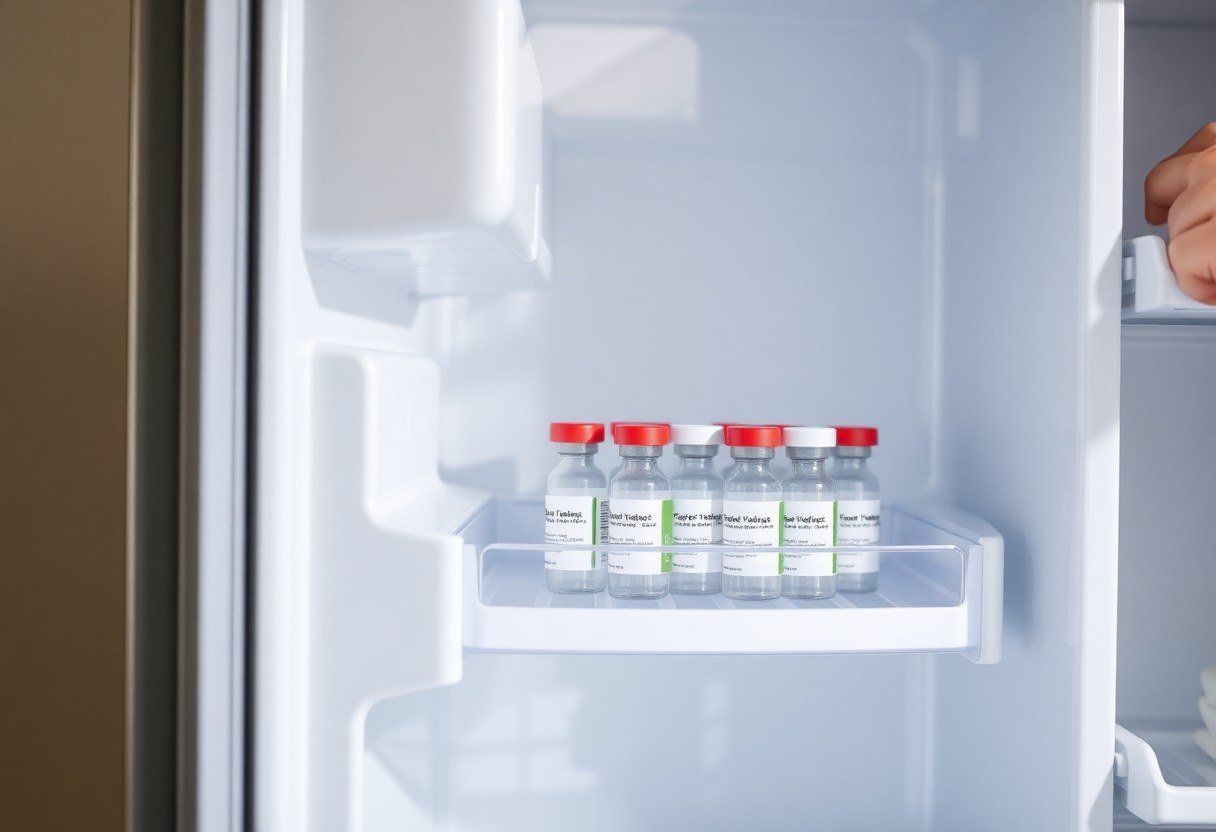
No, this is not recommended. Household refrigerators are not designed to maintain a narrow temperature range (2-8°C) and may experience significant fluctuations, especially when the door is opened. They may also cause vaccines to freeze in some areas. Use a dedicated pharmaceutical refrigerator.
A paper log is a manual document where you write readings by hand. An electronic log uses software or an application that automatically records readings from the measurement device and generates reports. The electronic log is more accurate and prevents tampering, and is preferred in modern audits, but the paper log remains acceptable as an alternative if filled out accurately.

Maintaining the cold chain for vaccines is not an option; it is an ethical and professional duty. By understanding the importance of the 2-8°C standard, implementing a precise monitoring system that includes both manual and electronic logging, and adhering to a compliant audit log, you can protect vaccines, ensure their efficacy, and thus safeguard patient health. Start today by reviewing your refrigerator, training your team, and applying the steps we have explained. Remember that every degree Celsius that deviates from the safe range may mean the loss of a precious dose. Follow our daily series "Smart Systems for Hospitality and Facilities" to learn more about practical and sustainable solutions for your facility.
Jun 16, 2026 by Anas Heaba
Jun 15, 2026 by Anas Heaba