Jun 11, 2026 / By Anas Heaba / in Growing Guides
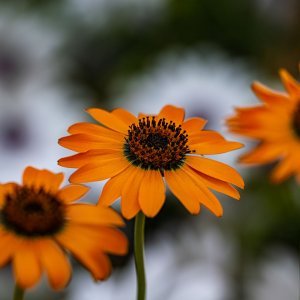
Florist's Cineraria, known in Arabic as سنانير or سيناريا, is one of the most rewarding cool-season flowers you can grow in an Egyptian garden or on a balcony. A tender clump-forming perennial in the daisy family, it produces dense clusters of daisy-like flowers in vivid red, pink, purple, blue and white, many with a contrasting central eye. The plants form neat mounds about 30-45 cm tall and 30-60 cm wide, making them ideal for pots, window boxes and front-of-border colour. Because it loves bright but cool conditions and dislikes intense heat, it is a perfect match for the mild Egyptian winter.
Treat cineraria as a winter flower, not a summer crop. It is frost-tender yet also intolerant of high heat, so it needs the mild November-to-February window and should flower before the spring heat arrives. The reliable approach is to sow seed in late summer to early autumn (roughly August-October), raise the seedlings in a shaded, ventilated spot through the still-warm early autumn, then transplant in October-November so the plants bloom right through the cool months (December-March).
In the Nile Delta and along the coast (Cairo, Alexandria), winters are mild enough to flower cineraria outdoors with little or no frost protection. In Upper Egypt (Aswan, Luxor), shift sowing and transplanting slightly later, keep plants in afternoon shade, and shade or move them once daytime temperatures start to climb, because the cool window is shorter there. Avoid outdoor planting from May to September in both regions — the heat will simply prevent germination and bloom.
Start seed in trays of sterile, well-drained seed-starting mix. Sow very shallowly, about 0.3 cm deep, and cover only lightly: the seed needs light to germinate, so don't bury it. Keep the mix evenly moist but never waterlogged, since excess water causes seed and root rot. Germinate at about 15.6-18°C; warmer conditions of 21-24°C give faster sprouting, and seedlings usually appear in around 10-14 days.
Prick out seedlings into individual pots once they have at least two sets of true leaves, then pot them on into larger containers as they grow. Set the young plants out at their final spacing of about 30-45 cm apart, which suits their mature width of roughly 0.3-0.6 m and keeps air moving between the plants. Grow them in fertile, organic-rich, well-drained soil in partial shade — direct sun for only part of the day (about 2-6 hours) — sheltered from intense, hot midday sun.
Enrich the soil with plenty of organic matter or a balanced NPK feed at planting. During active growth, apply a balanced liquid fertiliser about every two weeks. A common and effective practice is to keep feeding with liquid fertiliser until the flower buds appear, then stop. This steady feeding builds strong, leafy mounds and supports the heavy flush of bloom to come.
Cineraria likes its soil kept constantly and evenly moist. Water moderately, especially during dry spells, but always avoid waterlogging. Good airflow is your best defence against grey mould (botrytis), the plant's main disease, so space plants properly and avoid wetting the foliage from overhead. Watch for aphids, leaf-miner flies, thrips, glasshouse whitefly and red spider mite; inspect regularly and treat early. In Upper Egypt especially, partial shade and ventilation keep plants cool and healthy through the season.
From seed, cineraria typically reaches flowering about 16-18 weeks (4 months or more) after germination, which is exactly why late-summer sowing delivers blooms in the cool winter-to-spring window. Expect masses of daisy-like flowers from winter into spring. Deadhead spent flowers regularly to prolong the display. Once daytime temperatures rise and nights stay warm, the plants stop flowering and decline, so enjoy the show while the weather is mild.
For a reliable start, choose quality seed. At tna W rna you can pick up Cineraria (Florist's Cineraria) seeds for that classic mix of jewel-toned daisy flowers. If you want extra colour variety for pots and borders, try Cineraria seeds — a touch of enchanting colour for your garden, or pick the Cineraria (سنانير) seed pack to fill a winter display. Sow them in early autumn, follow the steps above, and you'll have a glowing carpet of cool-season colour all winter long.
Jun 11, 2026 by Anas Heaba