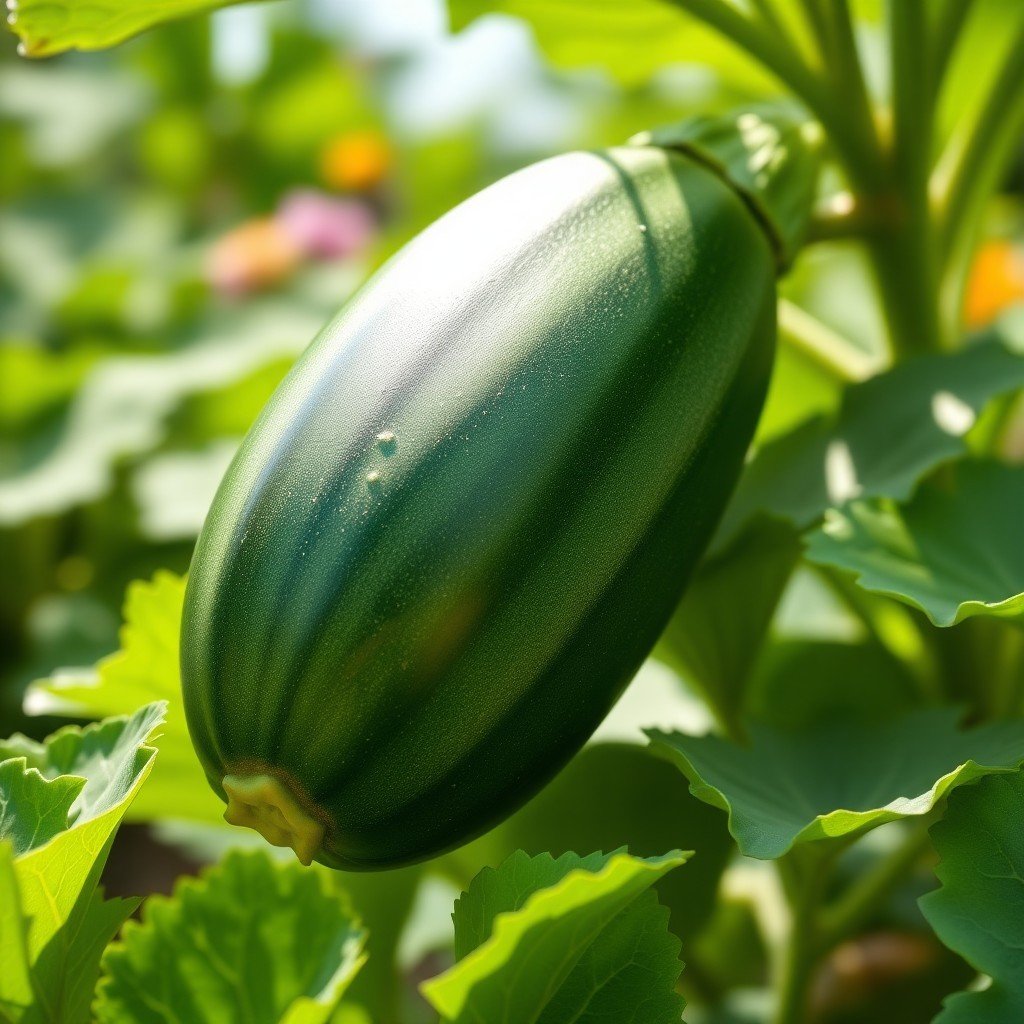
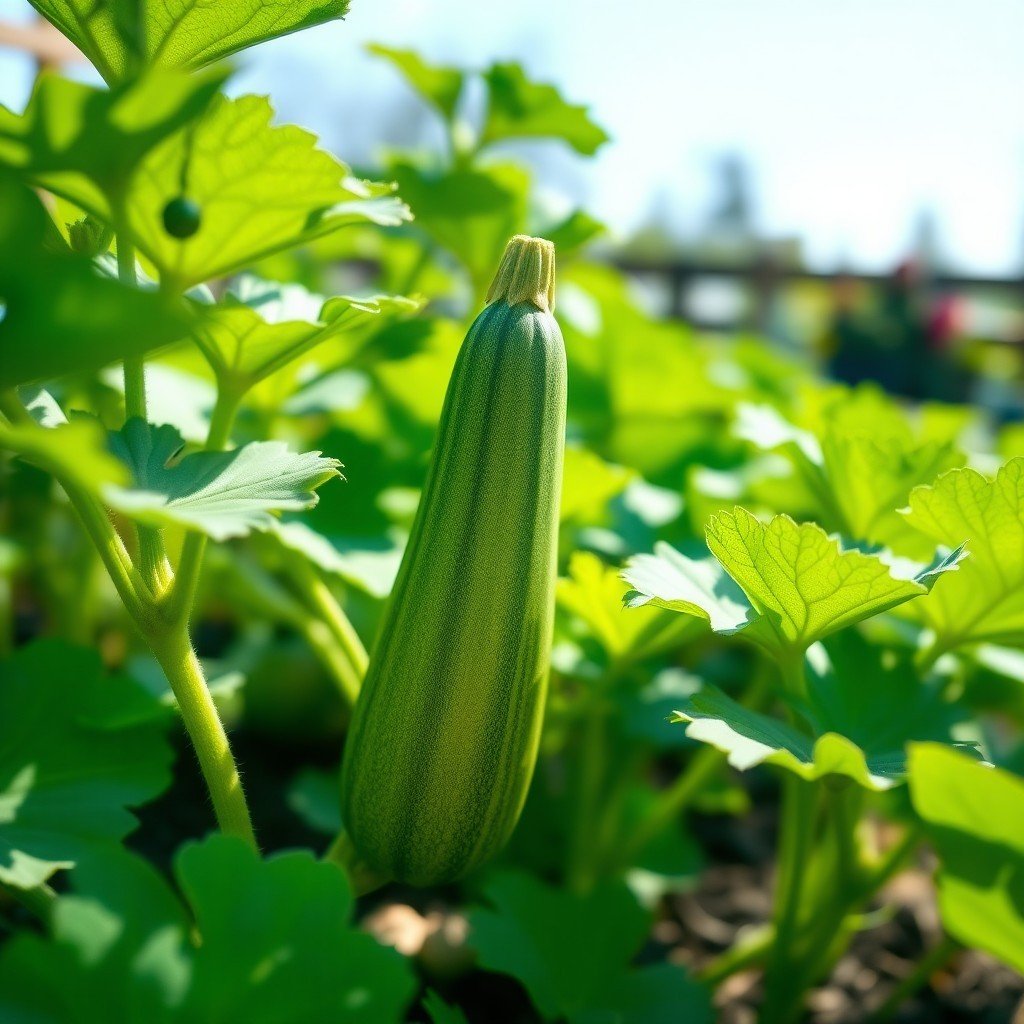
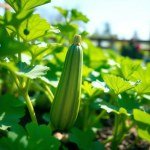
Zucchini is one of the most rewarding vegetables you can grow: a vigorous, warm-season summer squash that turns out smooth, glossy fruits with a mild, delicate flavour and a tender skin you never need to peel. The magic is in the timing of the harvest, fruits picked young, around 10 to 20 cm long, are sweet, firm, and buttery, perfect for grilling, sauteing, stuffing, or grating into fritters and bakes. Because the plant is so productive, it keeps cropping for weeks once it gets going, making it a staple of the home kitchen garden.
Planting
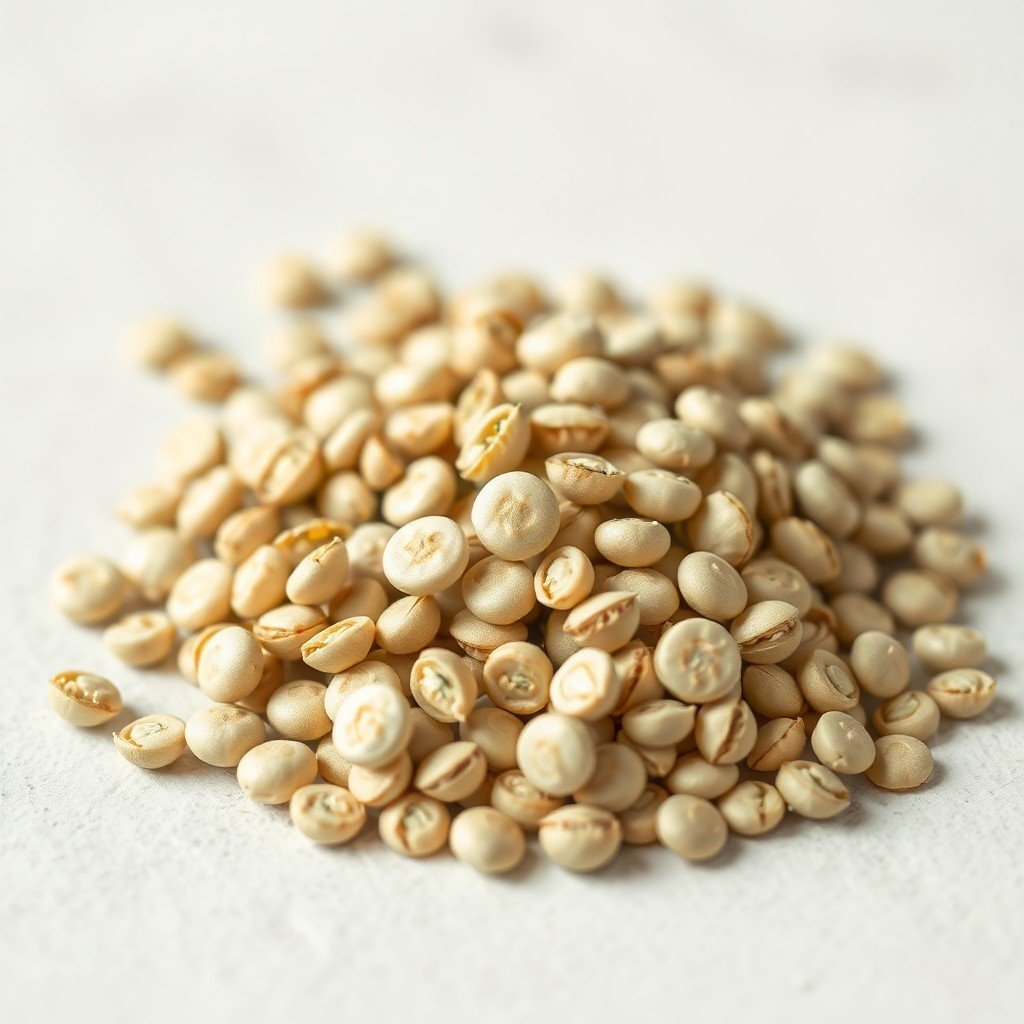
Zucchini is a warm-season, frost-sensitive crop, so sow only after all danger of frost has passed and the soil has warmed, ideally to around 21°C at a depth of 5 cm. Choose a warm, sunny, sheltered spot in fertile, well-drained soil. Sow seed roughly 1.3 to 2.5 cm deep, using about 2.5 cm when sowing directly outdoors and around 13 mm when starting in pots. The seeds need warmth to wake up: aim for 18 to 21°C, and in warm soil they sprout quickly, usually within about 5 to 7 days. You can also get a head start indoors about three weeks before transplanting, hardening off the young plants before they go out. Sow a few seeds per spot and thin to the strongest seedling, spacing plants about 20 to 30 cm apart, and snip out the extras with scissors rather than pulling to protect the roots. Give each plant plenty of room overall, around 60 to 90 cm apart, since the plants grow large and vigorous.
Fertilizing
Start with fertile, well-drained soil and work in compost or fertilizer before planting. As the vines begin to spread, side-dress the plants with nitrogen, and feed again when the female flowers start to appear. For plants grown in containers, feed every 10 to 14 days with a high-potash liquid fertilizer once the first fruits begin to swell; plants in good garden soil generally do not need extra feeding. Zucchini prefers slightly acidic, fertile soil in the range of about pH 5.8 to 6.8.
Care
Zucchini wants full sun, at least 6 hours of direct light a day and ideally 8 to 10 hours. It is a thirsty, heavy drinker: give it about 2.5 cm of water per week from rain or irrigation, and in hot weather plants may need watering every day. Keep the soil consistently moist, water with drip or soaker hoses where you can, and avoid wetting the leaves to help fend off disease. Watch for common pests such as squash vine borers, squash bugs, and striped or spotted cucumber beetles (which can spread bacterial wilt), along with slugs and snails on young plants. The main disease to look out for is powdery mildew, with downy mildew, cucurbit viruses, anthracnose, angular leaf spot, bacterial wilt, and grey mould also possible. Zucchini matures fast, about 50 to 65 days from transplant, so start harvesting while the fruits are still young and tender, before the seeds enlarge and the skin hardens. Pick when fruits are roughly 10 to 20 cm long, and harvest often, 2 to 3 times a week, to keep the plant productive.
Growing in Egypt
Egypt has little real frost risk across most of the Nile Valley and Delta, so the goal is matching warm but not extreme temperatures rather than dodging frost. In the Nile Delta and Lower Egypt (Cairo, Alexandria, and the Delta governorates) there are two good windows: a main spring crop sown from February to March as the soil warms, for a spring harvest ahead of peak summer heat, and an autumn crop sown from August to September for an October to November harvest. Mid-summer sowing in June and July is possible but is the least favourable, as heat stress on pollination and pressure from powdery mildew and whitefly-borne viruses are highest then. In warmer Upper Egypt (Luxor, Aswan, Asyut), shift sowing earlier: a winter to early-spring sowing from January to February works well because the soil rarely turns cold, giving a harvest before the intense summer; avoid the peak heat of June to August and prefer a late-summer or autumn sowing in September for a cooler-season crop. Protected greenhouse or tunnel growing can extend the season into winter throughout Egypt. Everywhere, give full sun for 6 to 10 hours, irrigate consistently (daily in heat, drip preferred, keeping foliage dry), and harvest young at 10 to 20 cm every 2 to 3 days, because the fruit develops very fast in Egyptian warmth.