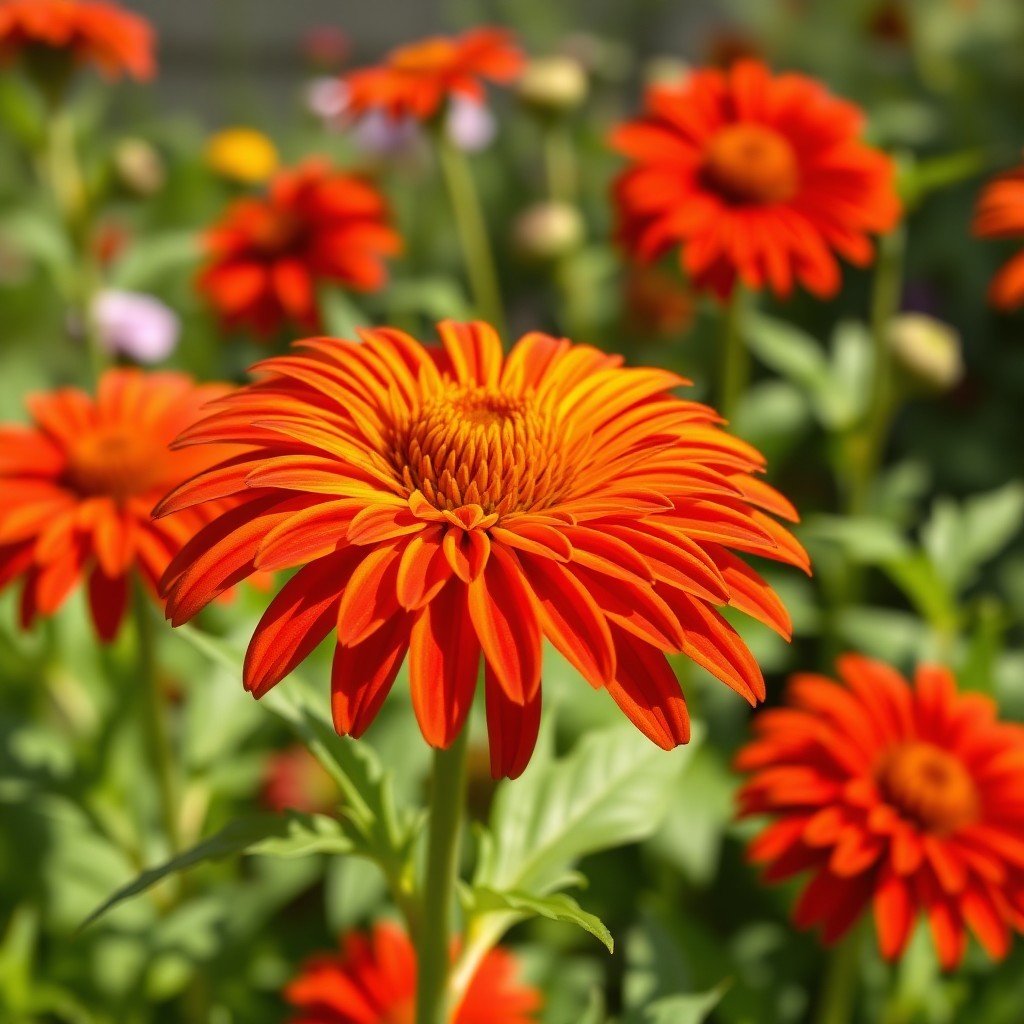
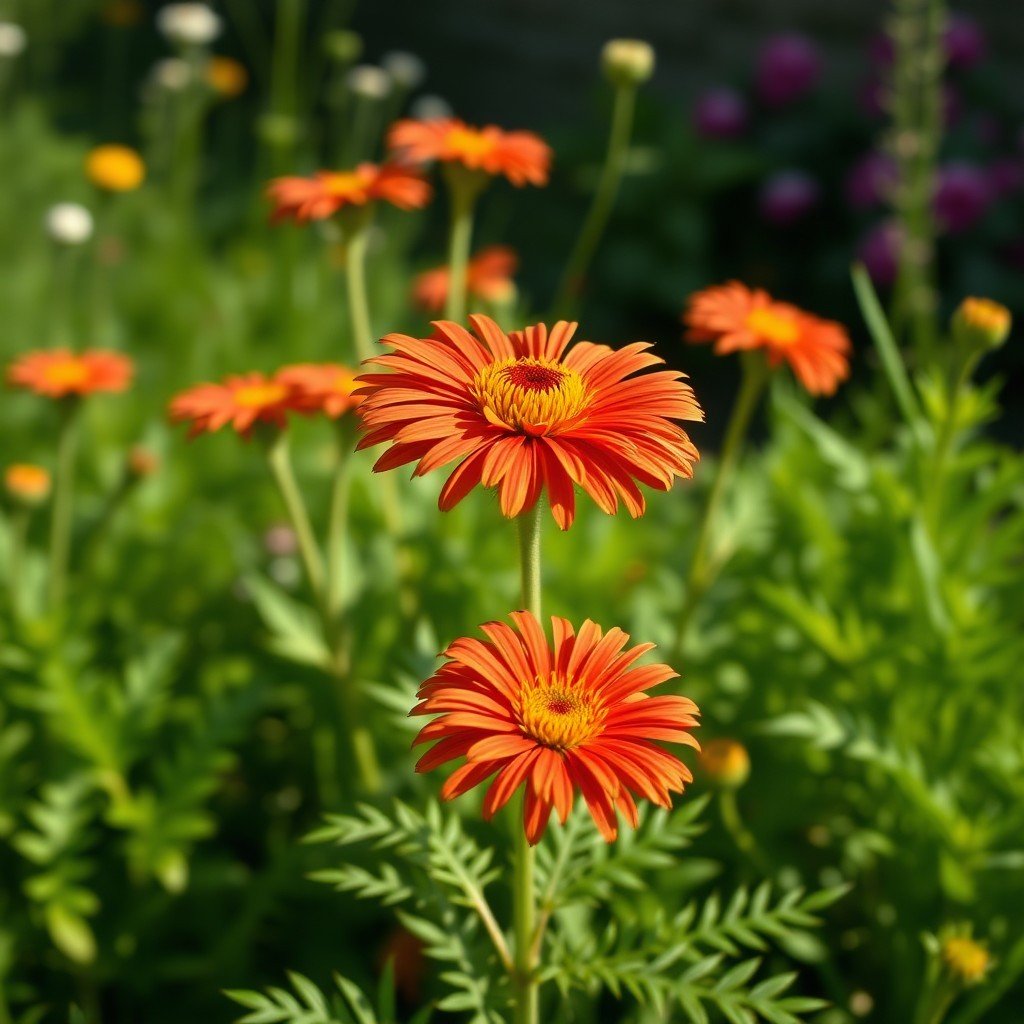
The Blanket Flower (Gaillardia pulchella) earns its name from broad daisy-like blooms ringed in warm bands of crimson, scarlet, orange and gold around a darker central disc, recalling a richly woven blanket. Compact and cheerful, it reaches about 30 to 45 cm tall and spreads roughly 15 to 30 cm, making it a brilliant choice for sunny borders, rock gardens and cut-flower beds, while its nectar draws bees and butterflies all season.
Planting
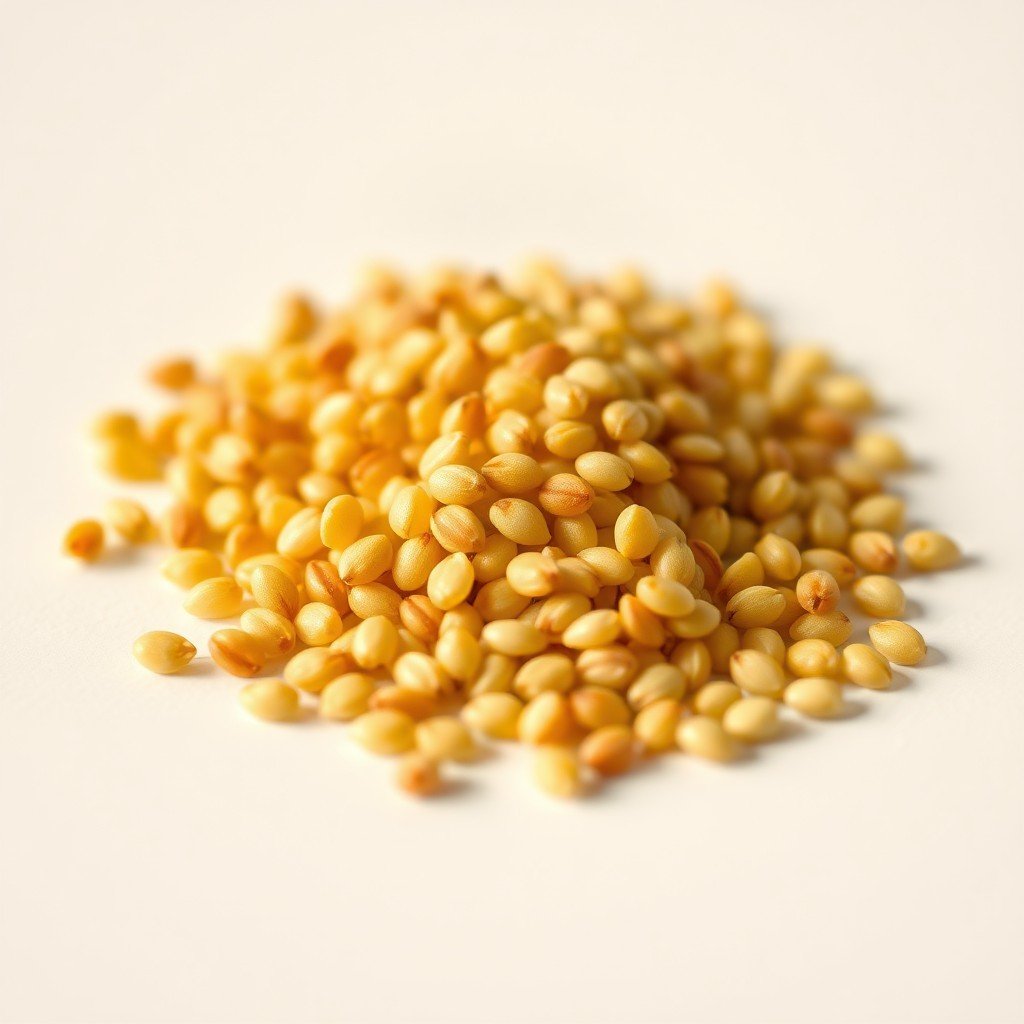
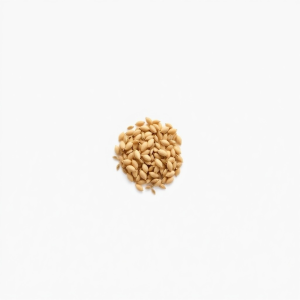
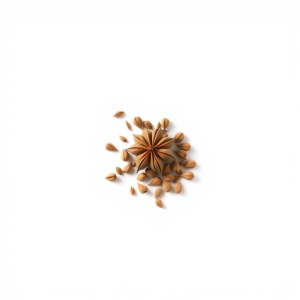
Surface-sow the seed and do not bury it, as it needs light to germinate; press it lightly into the soil or barely cover it. Keep the surface consistently moist while it sprouts in about 7 to 20 days at a soil temperature near 21°C (ideally 20 to 24°C). In Egypt treat it as a cool-season winter annual: sow directly in autumn (late September to November) so seedlings establish through the mild winter and flower into spring. Thin or transplant seedlings to stand about 15 to 30 cm apart, and give it full sun of 6 or more hours daily.
Fertilizing
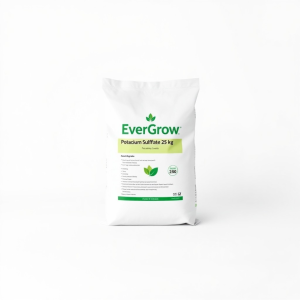
This is a light feeder that needs very little fertilizer. Feed just once as flowering begins, and top-dress with well-rotted manure once during summer. Avoid over-feeding, especially with high-nitrogen fertilizers, as it is unnecessary and works against good flowering.
Care
Provide dry-to-medium moisture and excellent drainage; once established the plant is drought-tolerant. Water during dry spells but keep the foliage dry by watering in early morning, since root rot strikes in waterlogged or poorly drained soil. Few serious problems occur, though watch for aphids, thrips and leafminer, and for powdery mildew or aster yellows. Deadhead spent blooms to prolong flowering from late winter into spring; left alone, plants happily self-sow.