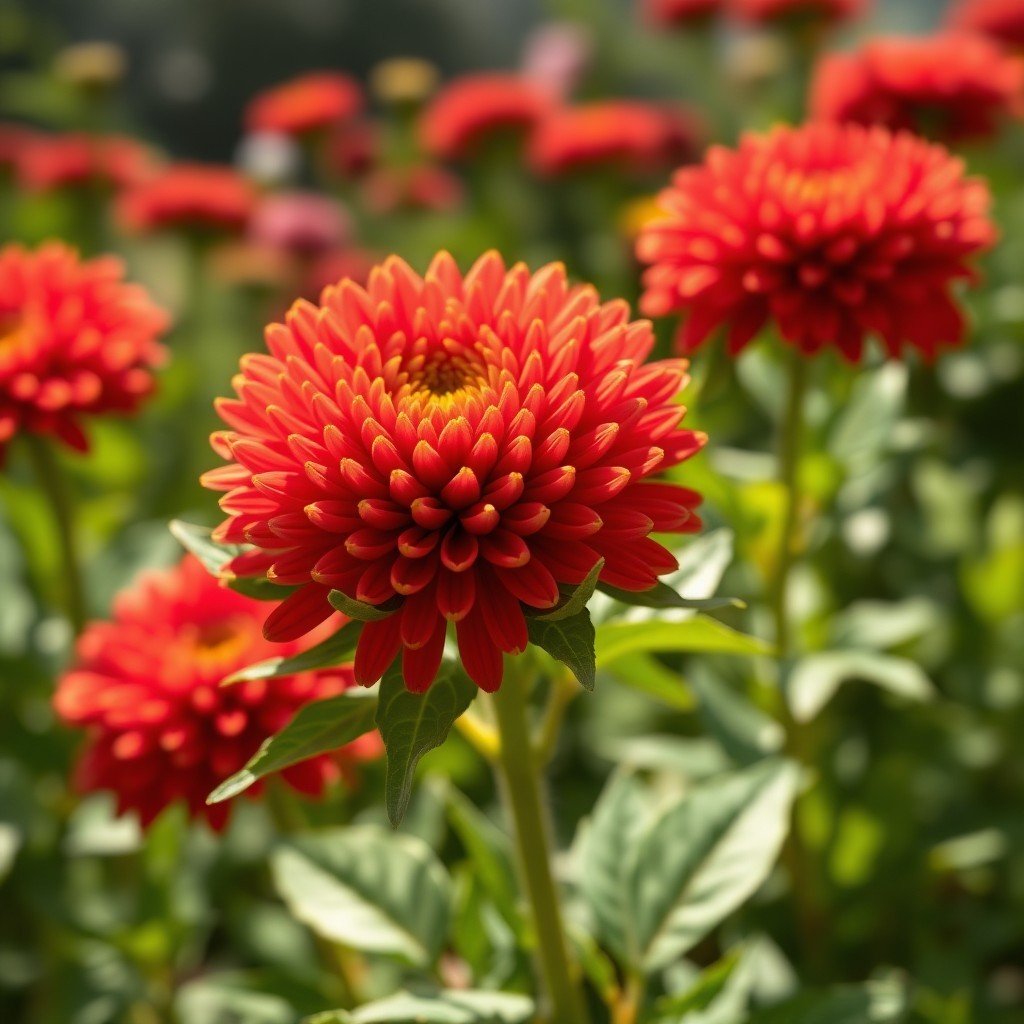
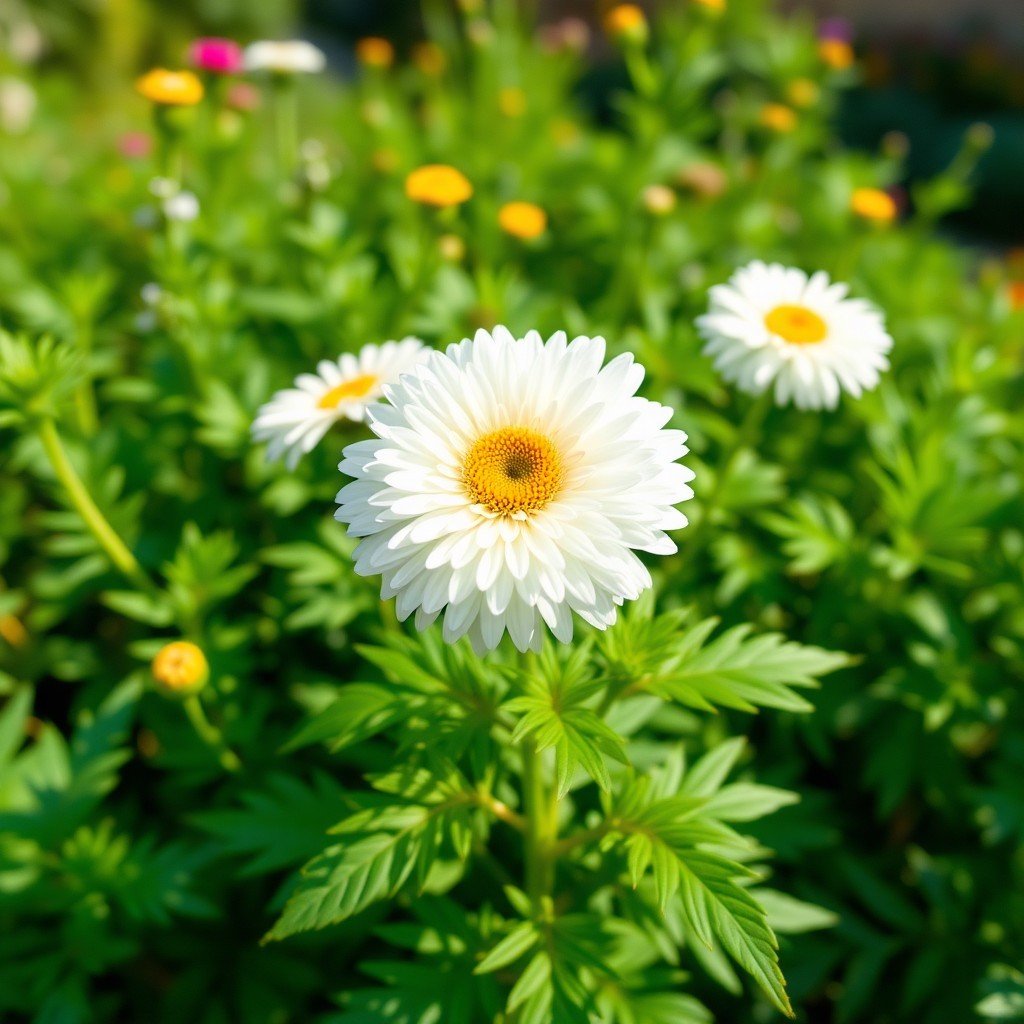
The Chrysanthemum, or Daisy, is the signature flower of autumn: as summer days shorten, it bursts into a generous show of daisy-shaped blooms that crown the garden in colour just as most other flowers fade. It is a short-day plant, so its flower buds are triggered naturally by the lengthening nights of late summer and autumn, rewarding you with blooms in the very same year you sow it. Whether massed in beds, lined along a border, or grown in pots on a sunny terrace, this cheerful, easy-going flower brings warm seasonal colour exactly when the garden needs it most. The plants are compact and shallow-rooted, making them simple to lift, move and arrange wherever a splash of late-season colour is wanted.
Planting
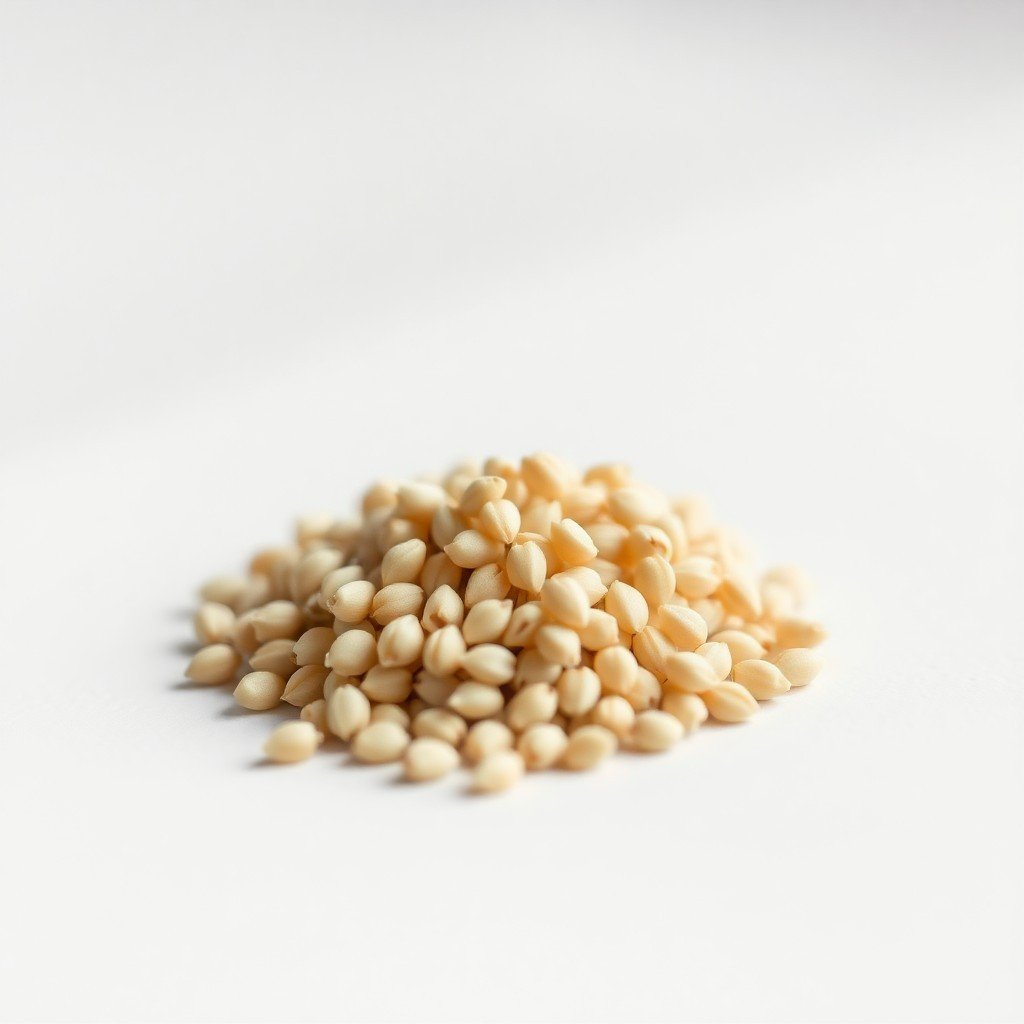
Start seed indoors from late winter to mid-spring, roughly 6 to 10 weeks before the last spring frost; spring sowing is the classic approach. Sow the seed right on the surface of the starting mix and only barely press it in. Do not cover it deeply, because chrysanthemum seed needs light to germinate, so keep it bright during this stage. At a soil temperature of 18 to 21 C with gentle bottom heat, germination takes about 10 to 14 days; sown at around 15 C in spring it will come up within roughly two weeks. When you move young plants out, transplant at the same depth they were grown and never bury the root ball, which causes poor aeration and root rot. Set transplants out once frost danger has passed, spacing plants about 30 to 45 cm apart, with wider spacing for spreading varieties. In Egypt, sow in trays in late winter (January to February) when nights are 15 to 21 C, then transplant to the field in February to March in the Nile Delta once hard frost risk is past. In hotter, drier Upper Egypt (Aswan, Luxor) start a little earlier and provide afternoon shade with more irrigation through summer.
Fertilizing
Work a low-nitrogen balanced fertilizer into the bed before planting in spring, at roughly 0.2 kg per square metre of a 5-10-5 blend dug in to about 15 cm depth. Feed with a dilute fertilizer several times before the buds set, and on poorer soils give a second, lighter feed (such as 5-10-5 or 10-6-4) around early in the season. Nitrogen has the strongest effect on growth and flowering, but go easy on it: too much nitrogen delays bloom and reduces the number of flowers, so keep feeding moderate. Once the plants come into flower, switch container-grown mums to a high-potassium feed such as a tomato fertilizer to support the blooms.
Care
Give chrysanthemums full sun, at least 6 hours of direct sunlight a day through summer; in low light they grow weak and spindly and produce few flowers. Avoid sites lit by street or porch lights at night, as artificial light disrupts the short-day signal that triggers flowering. Keep the soil evenly moist all season but never waterlogged, and ensure good drainage to prevent root rot; because mums are shallow-rooted, water frequently during hot, dry spells, and for potted plants water when the top few cm of mix dry out. Pinch the tips to force bushier, more floriferous growth: make the first pinch when plants reach about 15 to 20 cm tall by removing roughly 2.5 cm of each shoot tip, then repeat as new branches reach about 15 cm, stopping around mid-summer (about 3 months before the desired bloom). Plants left un-pinched grow tall, leggy and flower poorly. Watch for aphids, leaf miners, leafhoppers, spider mites (worse in hot, dry conditions), caterpillars, capsid bugs, earwigs, and slugs and snails; controlling aphids and leafhoppers matters because they spread viruses. Common diseases include chrysanthemum white rust, powdery mildew (favoured by cool, humid autumn nights), grey mould, Septoria leaf spot and viral diseases, so avoid overcrowding, shade and wet foliage. Bloom arrives in autumn, roughly September to November as the days shorten and about 3 months after the last pinch; in Egypt expect flowering around October to December, with the cooler, dry autumn nights suiting the plants well.