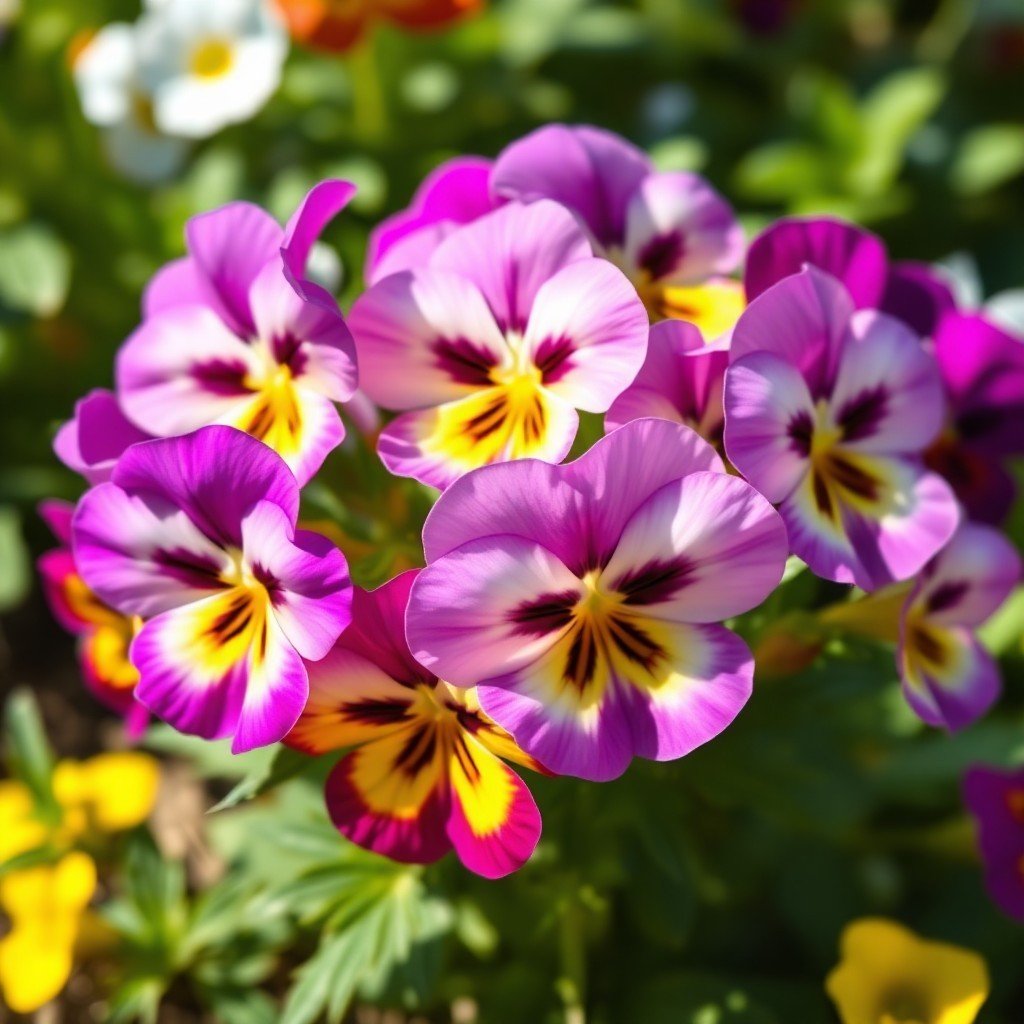
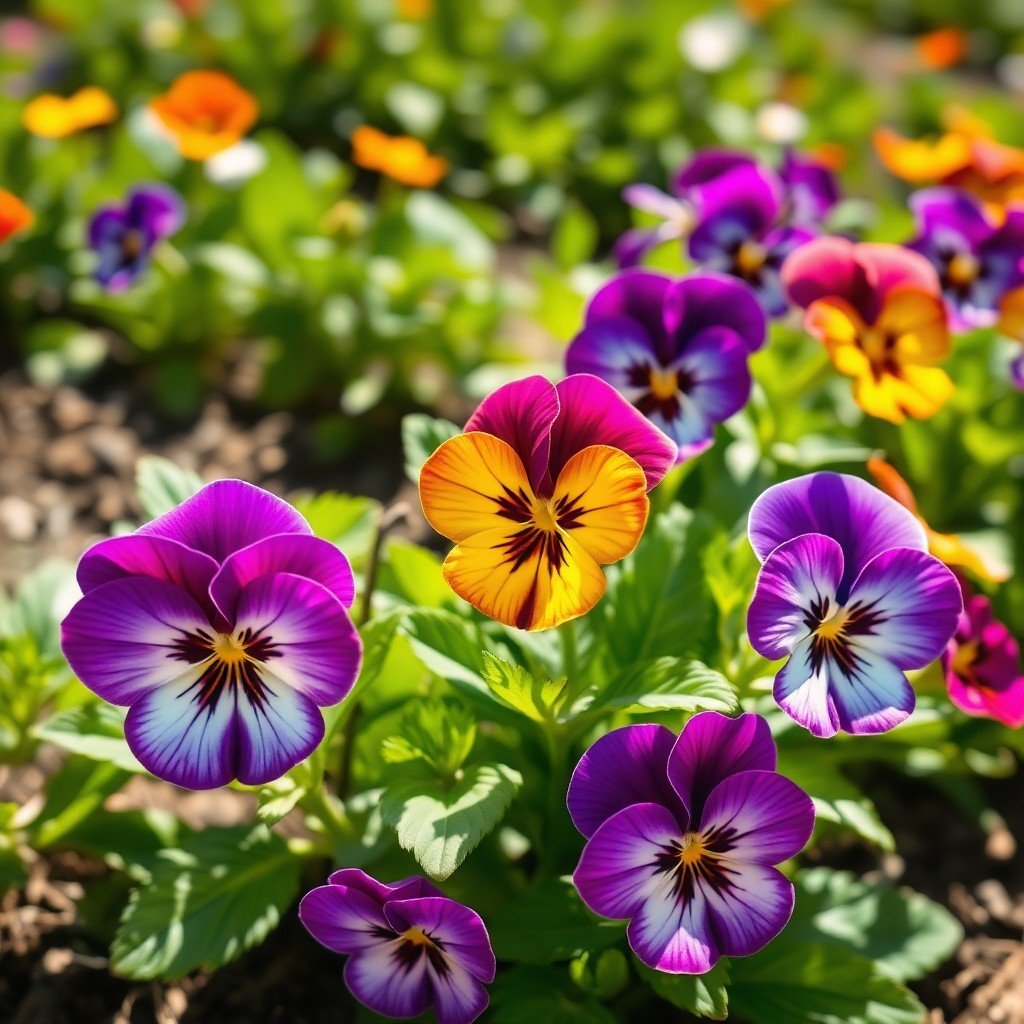
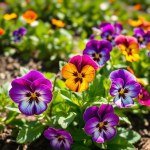
Pansy (Viola × wittrockiana), known in Egyptian seed shops as بنفسج الثالوث, is a cool-season member of the violet family (Violaceae) prized for its cheerful, butterfly-like flowers. Each bloom carries broad, overlapping petals in a wide spread of colours, often marked with a contrasting "face" at the centre. As a low, spreading annual or biennial it is a favourite for winter beds, borders and pots, bringing colour to the garden during the cooler months when little else flowers.
Planting
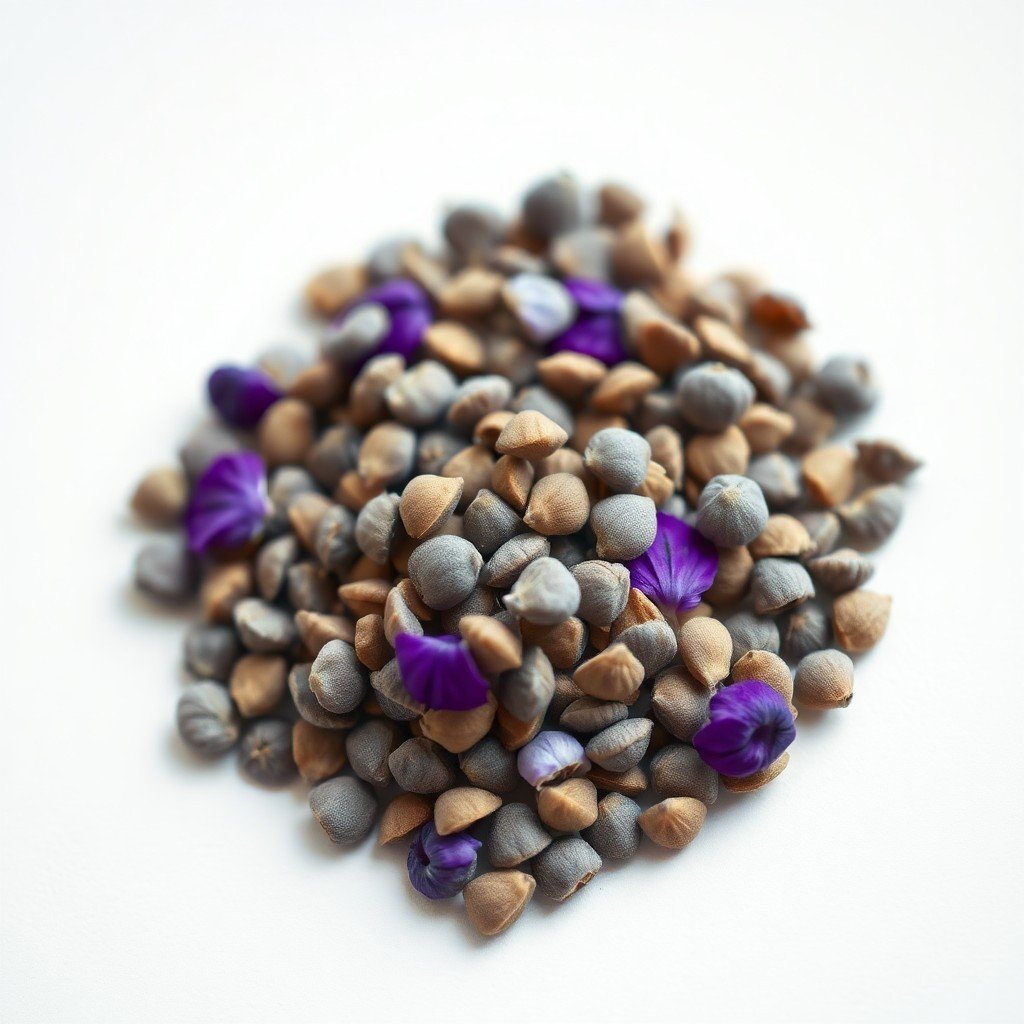
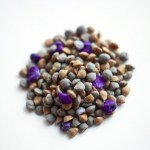
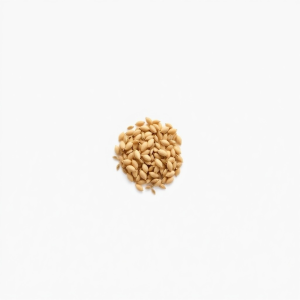
In Egypt, treat pansy as an autumn-sown winter flower rather than a summer crop. Sow seed in trays in early September to October (delay to October-November in hotter Upper Egypt), covering them about 5 mm deep. Pansy seed needs darkness to sprout, so exclude all light until the seedlings emerge in roughly 10 to 14 days at a soil temperature near 18-24 C. Prick out the young seedlings into individual pots, then plant them into their final position 15-20 cm apart, in full sun to partial shade with moist, well-drained soil.
Fertilizing
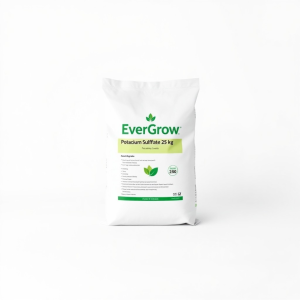
During the cool winter weather, feed every 14 days with a liquid fertilizer that supplies at least half its nitrogen as nitrate, such as a 15-2-20 pansy formula. A common Egyptian routine is NPK at about 5 g per litre of irrigation water every 15 days, plus a monthly micronutrient feed. As soil warms in spring, switch to a granular or 20-20-20 feed. Avoid excess nitrogen, which gives large leaves but small flowers.
Care
Keep the soil consistently moist but never waterlogged, wetting the root zone to about 10-15 cm deep; water roughly twice weekly in winter and daily as spring heat rises. Give afternoon shade in warm weather. Remove old flowers before seed sets to keep blooming through to spring. Watch for aphids, slugs and mites, and for powdery mildew and leaf spots.