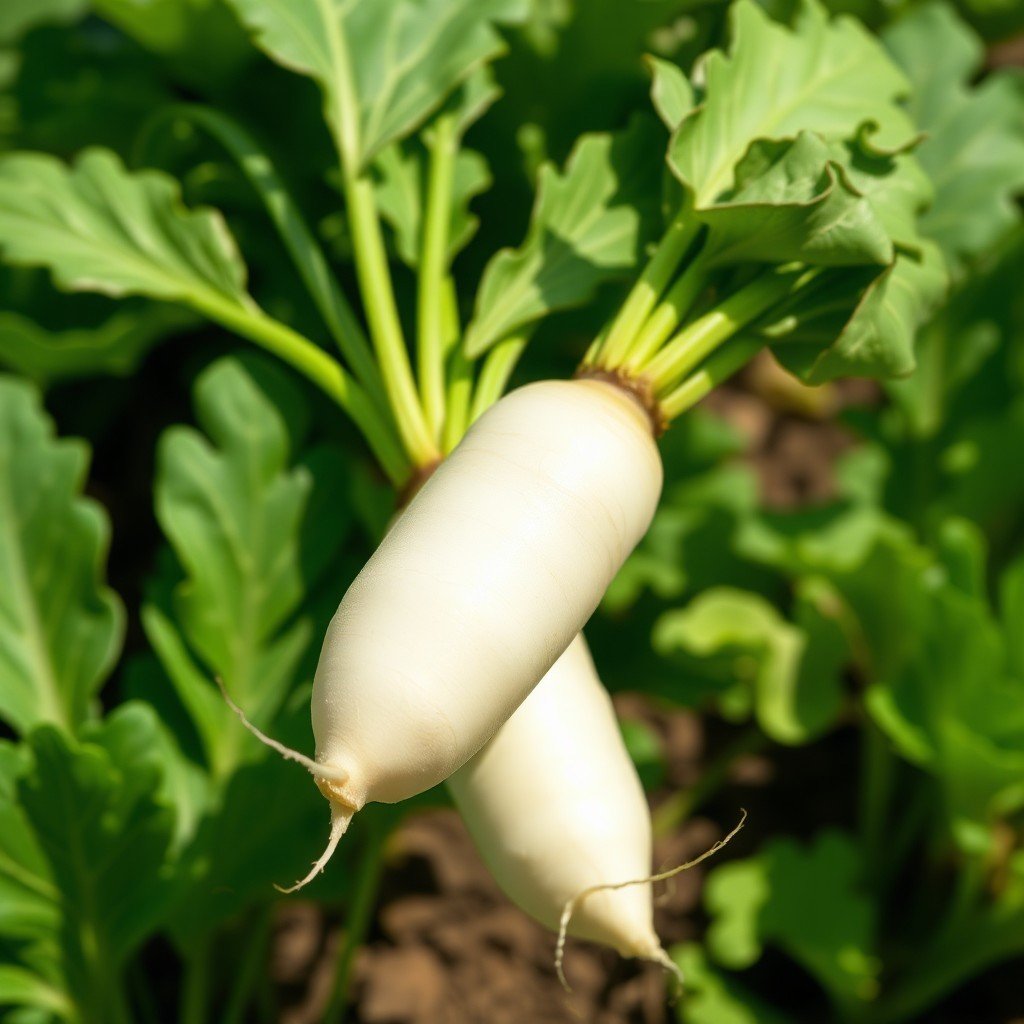
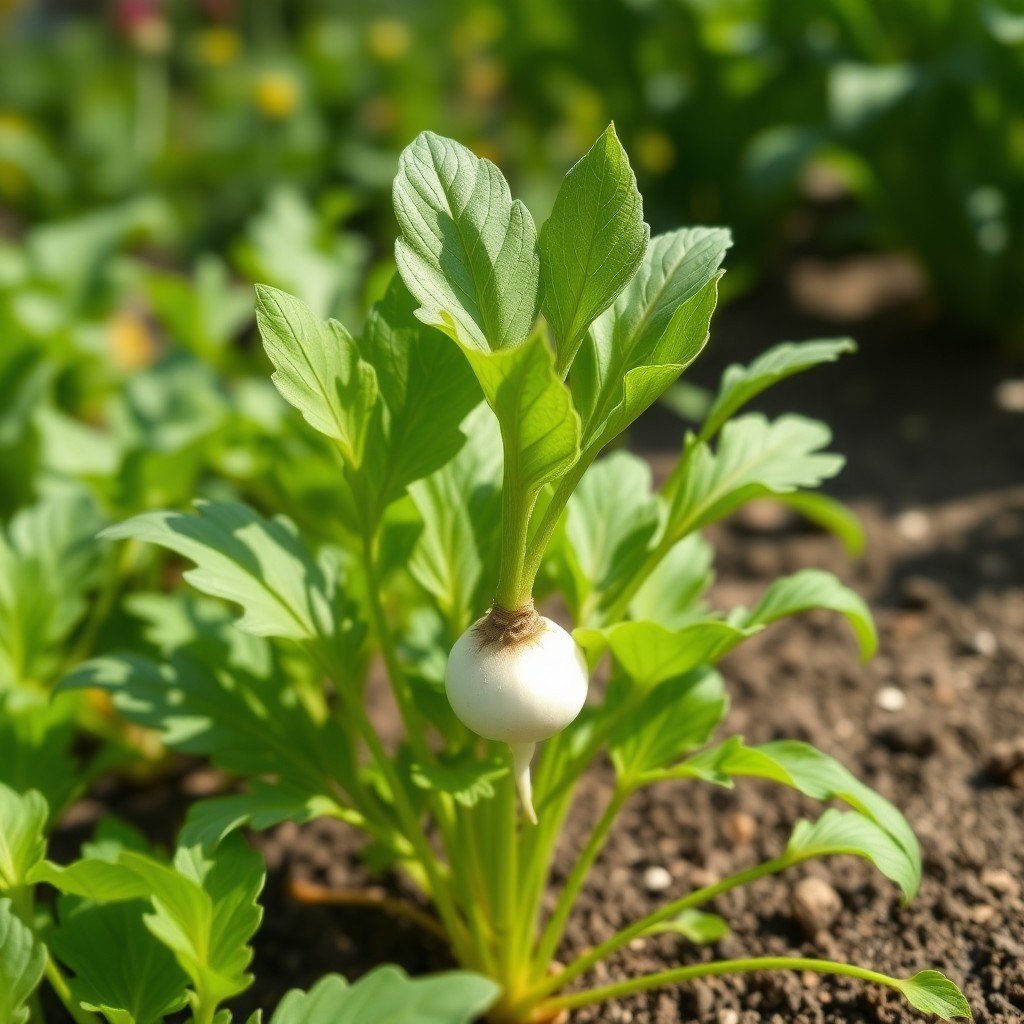
White Radish (Daikon) is the long, oriental winter radish prized for its smooth, snow-white skin and elongated cylindrical root that can grow well beyond the size of round salad radishes. The flesh is crisp and juicy with a clean, mild bite that mellows further once cooked — far gentler than the peppery little spring types. That balance of crunch and gentle heat makes it a favourite for pickling, slicing raw into salads, grating as a fresh garnish, and simmering in soups and stews in Asian-style cooking. As a slower-maturing winter radish, it rewards an early start in the cool season with a substantial, sweet-tasting root.
Planting
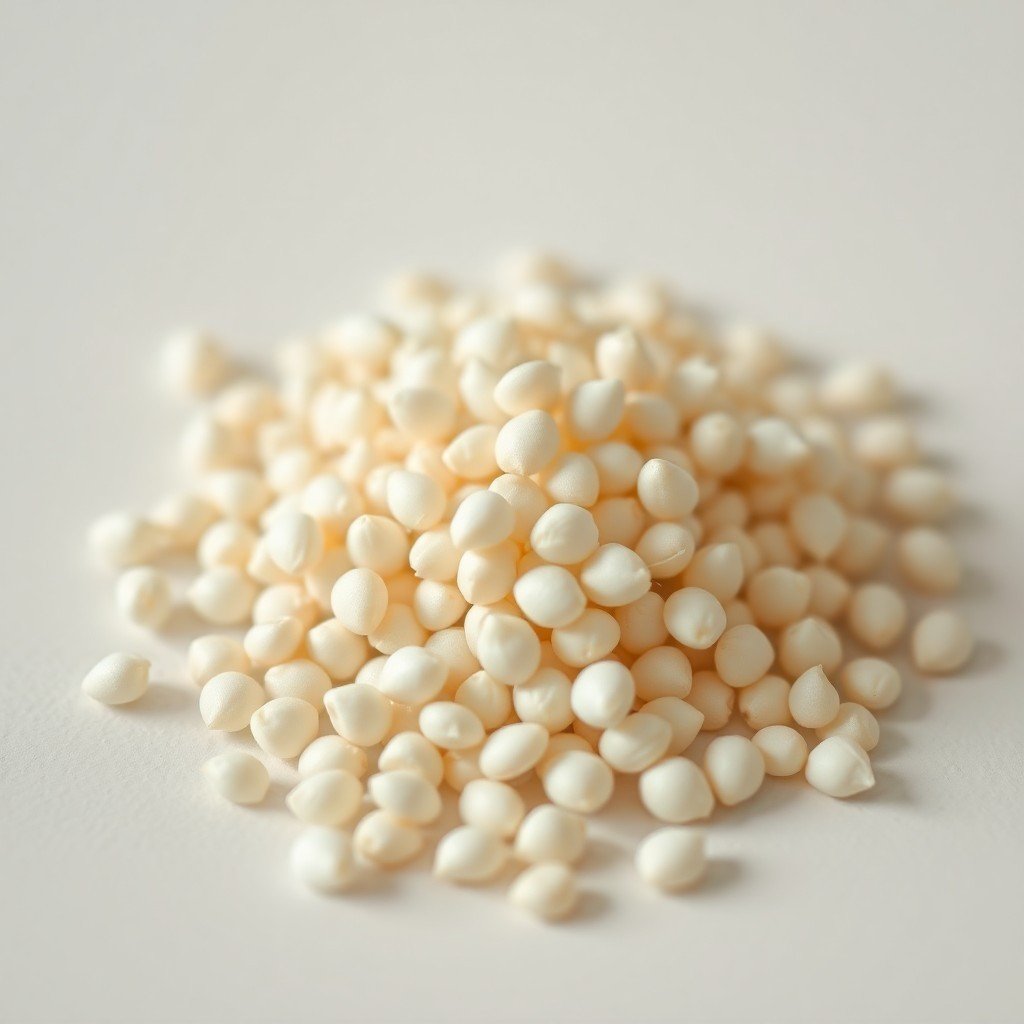
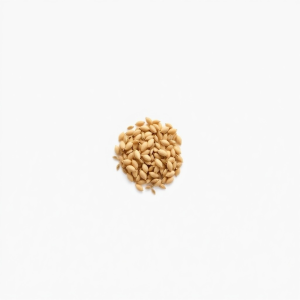
Daikon is a cool-season crop, so sow it during the mild months and avoid hot, dry weather, which makes plants bolt and run to flower. As a winter/oriental type it is best sown in mid- to late summer in temperate climates; in Egypt the reliable window is the cool winter, with daikon types started early in the window so they finish before the spring heat. Sow the seed directly where it is to grow — radish dislikes root disturbance and is not transplanted. Sow these larger daikon seeds about 2 cm deep in an open, sunny site, spacing plants roughly 8-15 cm apart with about 15 cm between rows. Seedlings usually emerge in about 3-10 days; soil around 10-24 C suits growth, and germination is fastest near 21 C. For a continuous supply, make repeated small sowings every 10-14 days.
Fertilizing
Prepare the bed with aged compost before sowing, then side-dress with more aged compost at midseason. Steer clear of fresh manure and high-nitrogen fertilizers — they push lush leafy growth at the expense of the root you actually want. A balanced or low-nitrogen feed works best, and as a root crop daikon responds well to a phosphorus-leaning blend such as 5-10-10.
Care
Keep the soil consistently moist for rapid, even growth and crisp, non-split roots — aim for about 2.5 cm of water per week and soak the bed thoroughly at least once weekly, watering sandy soils more often than heavy clay. Irregular or scarce water turns roots woody and hot-tasting. Thin the seedlings about a week after they emerge, spacing daikon types to 5-10 cm or more so the roots have room to swell; thin promptly. Watch for flea beetles nibbling small holes in the leaves, cabbage root fly maggots tunnelling into the roots, plus slugs and snails on seedlings, aphids and wireworms; floating row cover or fleece together with steady moisture helps fend off flea beetle and root fly damage. Daikon and other winter types mature in about 50-60 days, and you'll see the root shoulders push up out of the soil when they are ready — harvest promptly, because over-mature roots turn woody, pithy and split.