

SKU: TNW-EULU-105
Categories: Seeds & Plants
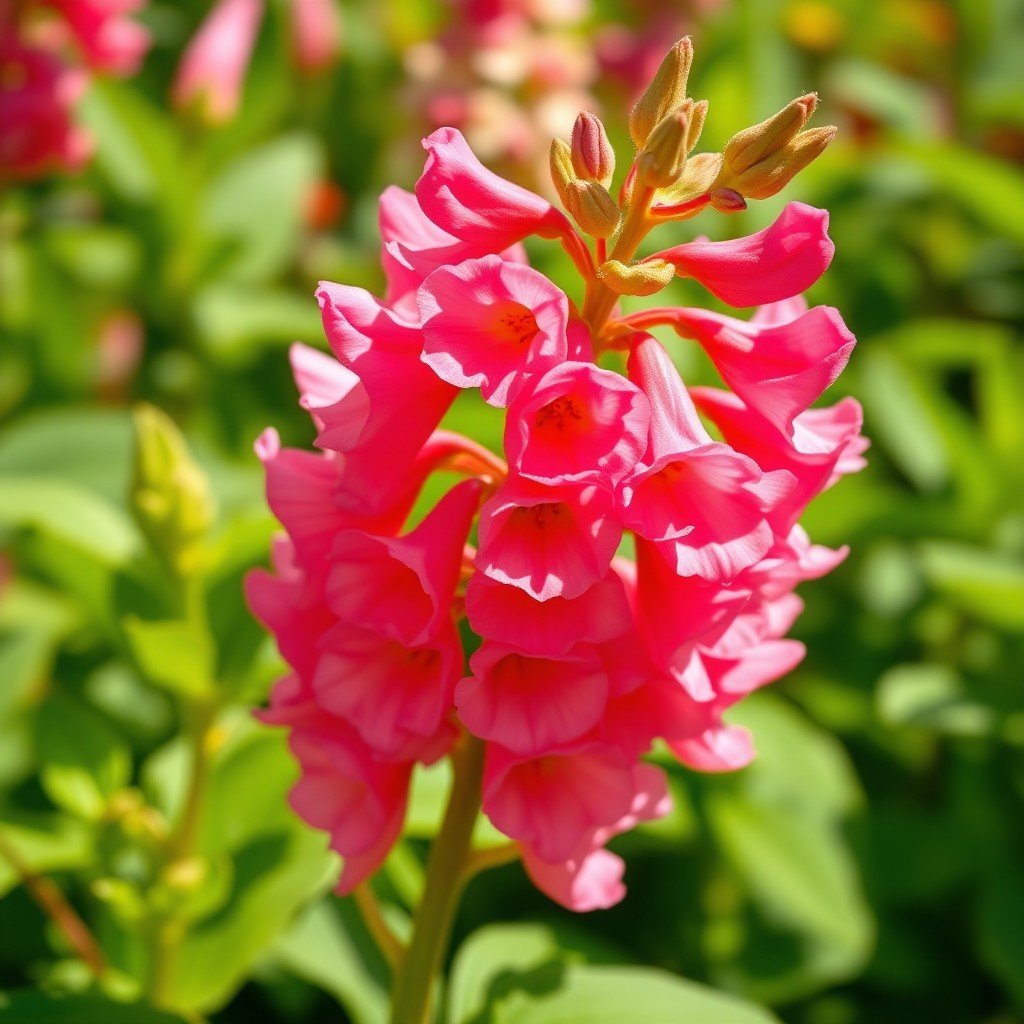
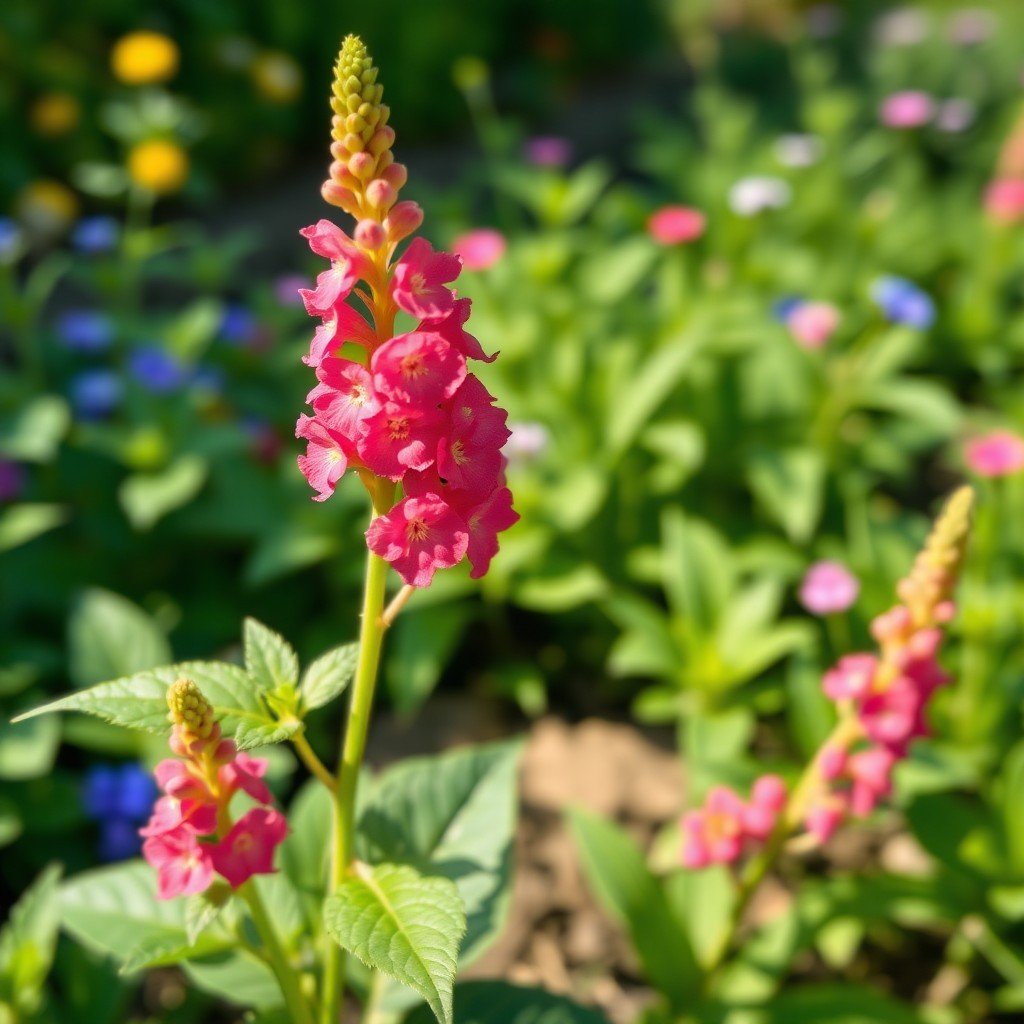
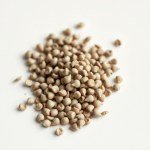
Common snapdragon (Antirrhinum majus) is loved for its tall, upright flower spikes lined with charming dragon-mouth blooms that snap open when squeezed. The spikes come in a rich range of colours and make excellent cut flowers for the vase, while shorter forms shine in beds and borders. In Egypt it is a star of the cool season, brightening winter and spring gardens with long-lasting colour.
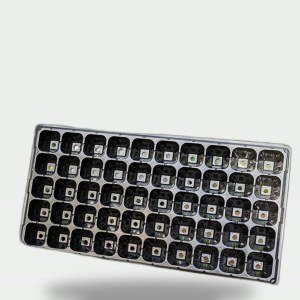
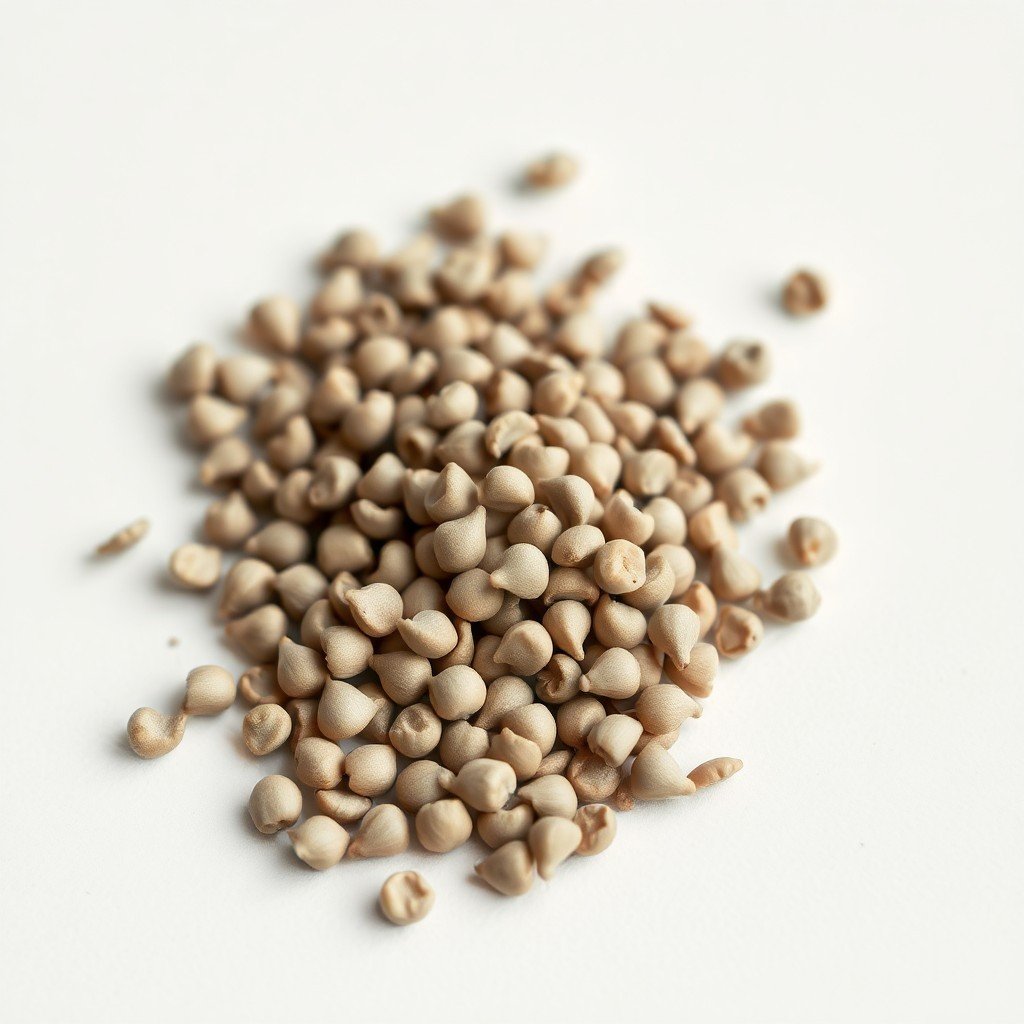
In Egypt, sow in nursery beds in autumn (around September-October), as germination needs cool 16-20 C soil. Surface-sow the seed and do not cover it; snapdragon needs light to germinate, so simply press it onto the surface, with at most a fine dusting of vermiculite to hold moisture. At about 17-18 C, seedlings emerge in roughly 7-14 days. Transplant out from October-November once plants carry two to three true leaves, spacing them about 15 cm apart for dwarf types and up to 30 cm for tall ones.
Feed with a balanced nitrogen-potassium fertilizer at around 150-200 ppm nitrogen, every other watering at the seedling stage and every third watering as plants grow on. Snapdragons are sensitive to high salt levels, so avoid over-feeding. In cool spells below about 18 C, steer clear of ammonium-heavy feeds.
Grow in full sun for the best flowering, with shelter; light afternoon shade helps in hotter Upper Egypt. Keep the soil moist but well-drained and never waterlogged, bottom-watering or misting seed trays gently. Pinch tips back to about 4-5 cm when seedlings reach 8-10 cm for bushier plants. Allow airflow to limit rust and mildew, avoid overhead wetting, and watch for aphids. Cut spikes when the lower third to half of florets are open; deadhead to extend bloom, which under Egyptian winters runs February through April-May.
Your email address will not be published. Required fields are marked *
Please login to write review!
Looks like there are no reviews yet.
LE770.00
LE365.00
LE560.00
LE495.00