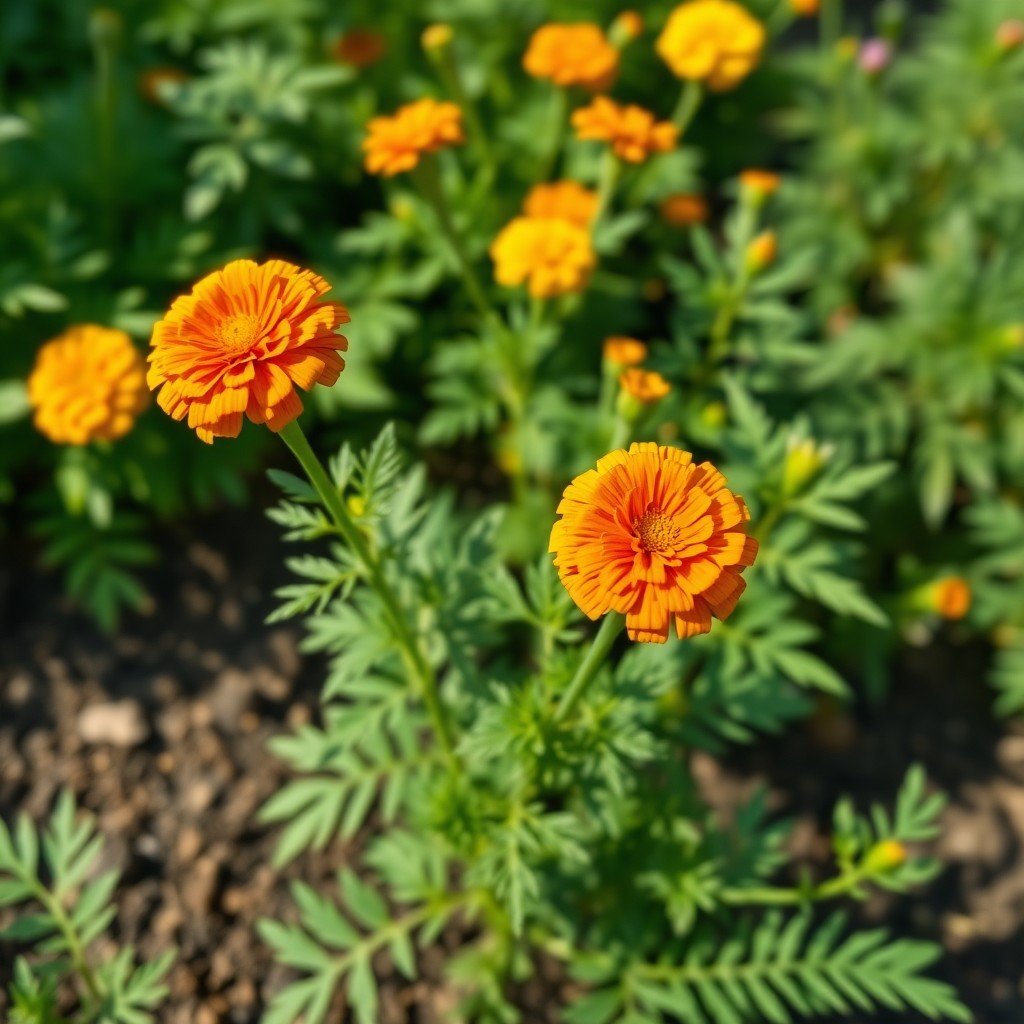
Marigolds (Tagetes) are among the most rewarding flowers a gardener can grow: tough, sun-drenched annuals crowned with rounded pompon and daisy-like blooms in warm shades of gold, orange and deep yellow. They bring an unmistakable splash of colour to beds, borders and containers, are a classic companion plant alongside vegetables, and ask for very little in return. Best of all, in Egypt they hit their stride exactly when much of the world cannot grow them — flowering beautifully right through the mild winter.
Planting
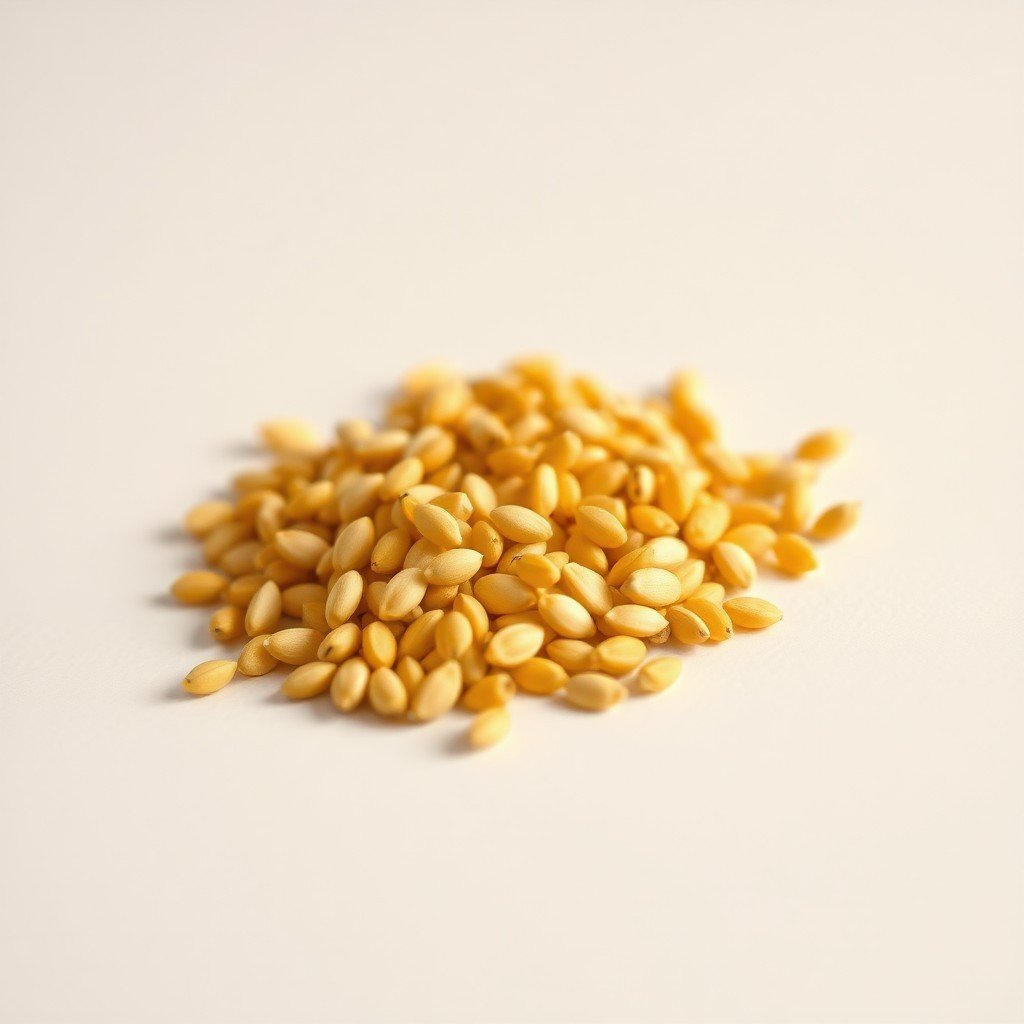
Marigolds love warmth. Sow the seeds directly outdoors once frost danger has passed and the soil has warmed to around 18 C, or get a head start by sowing indoors 4-6 weeks before planting out (allow about 8-10 weeks for the tall African types, which mature more slowly). French and Signet types can be sown from spring through midsummer, while tall African types want an immediate spring planting. Set seeds about 6 mm deep and cover them lightly, making sure each seed is fully buried in the growing media. At 21-24 C they germinate in roughly 5-8 days — a little faster, in 4-7 days, at 24-27 C — and gentle bottom heat speeds things along. Space French marigolds 20-25 cm apart, tall African marigolds 30-40 cm apart, and plant the compact Signet/Gem types as closely as the French. They thrive in full sun, needing six or more hours of direct light each day; they perform poorly in shade but shrug off very hot summers. Aim for a soil pH of 6.0-7.5.
Fertilizing
Marigolds are light feeders, so keep it simple. Work a balanced, general-purpose fertilizer with equal parts nitrogen, phosphorus and potassium — or a slow-release feed formulated for annuals — into the soil at planting time, and that is usually all they need; no extra feeding is required afterward. Go easy on nitrogen-rich products: too much nitrogen drives lush leafy growth at the expense of flowers, so favour a balanced formula or one with a higher middle number (phosphorus) to encourage plenty of blooms.
Care
For the first couple of weeks after planting, keep the soil evenly moist. Once established, marigolds are drought-tolerant and need only about 25 mm of water per week, with the soil allowed to dry somewhat between waterings — avoid overwatering. Always water at the base rather than overhead to help prevent disease. Pinching young plants encourages bushier branching. Plants typically begin to flower about 8 weeks (roughly 45-70 days) from seed and bloom from summer into autumn; deadhead the spent flowers regularly to prolong flowering, stop seed set, and reduce disease in humid conditions. Tall African marigolds reaching 1-1.5 m may benefit from staking. Watch for common pests such as spider mites, aphids, slugs, leafminers, whiteflies, thrips and caterpillars — mites and aphids can be treated with insecticidal soap. Diseases to guard against include fungal stem and root rots, leaf spots, gray mold (Botrytis), powdery mildew in wet humid conditions, bacterial wilt and several viruses; good drainage and base-only watering go a long way toward keeping mildew at bay.
Growing in Egypt
Marigolds are warm-season, frost-tender annuals that need full sun and germinate at 21-27 C, blooming roughly 8 weeks from sowing. Because Egypt's climate inverts the temperate-zone calendar, the familiar "spring sow, summer bloom" advice maps onto Egypt's cool season rather than its harsh summer. For the main season, sow from late August through October for blooms from autumn through the mild winter and into spring — Egypt's mild winters sit comfortably in the germination and growth range and rarely frost in the Delta, so marigolds flower beautifully through winter while temperate gardens cannot. For a spring display before peak heat, you can also sow in January-February, especially in the warmer south. Avoid sowing for bloom in June-August: high summer temperatures (often above 38 C) plus intense sun cause heat-stall, poor flowering and bud and flower rot. In the Nile Delta and along the Mediterranean coast — milder but more humid — the autumn-to-spring window is widest, though the extra humidity raises the risk of gray mold and powdery mildew on dense double flowers, so space plants for airflow, water at the base, and deadhead diligently. In Upper Egypt, hotter and drier, winter culture is excellent and low-disease; push the spring sowing earlier to December-January and provide steady irrigation, since the dry heat arrives sooner. Direct-sowing works well in Egypt's warm soils, but transplants started 4-6 weeks ahead give a faster, more uniform winter display.