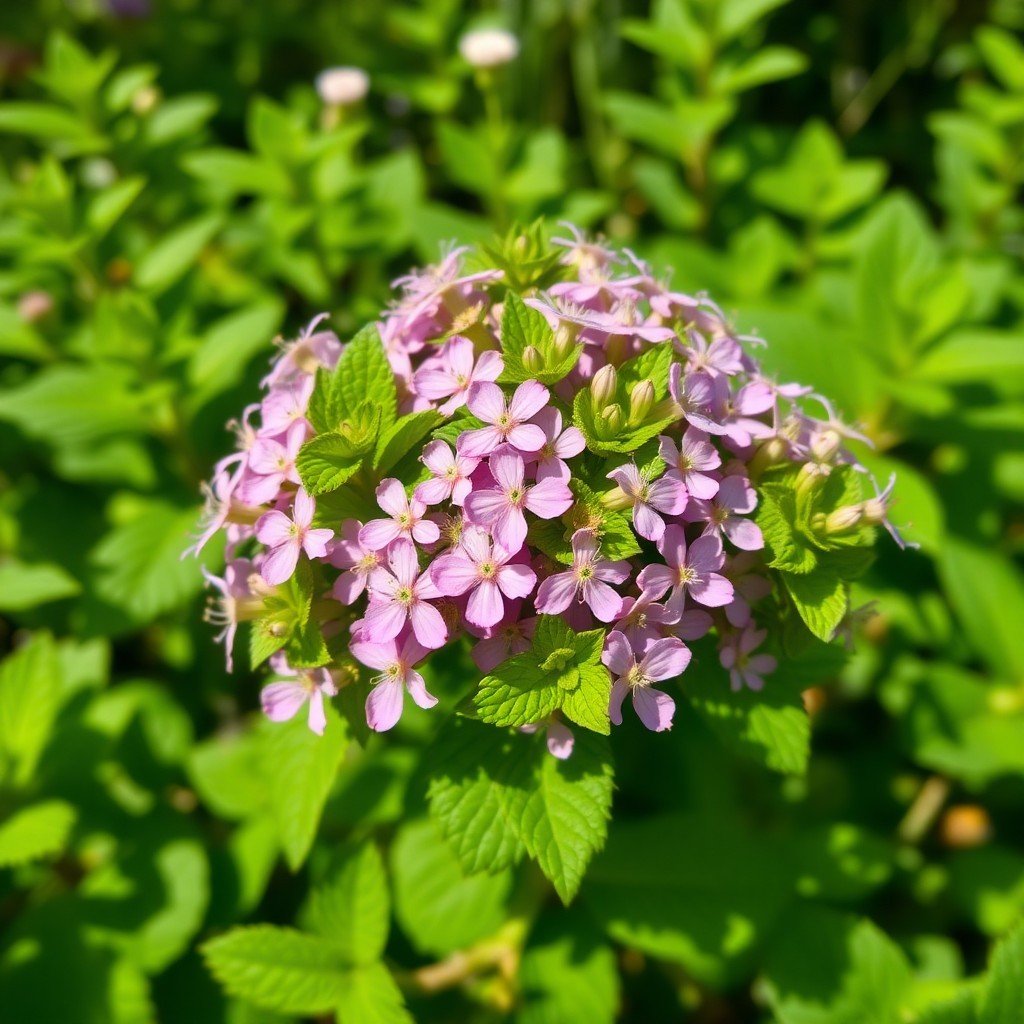
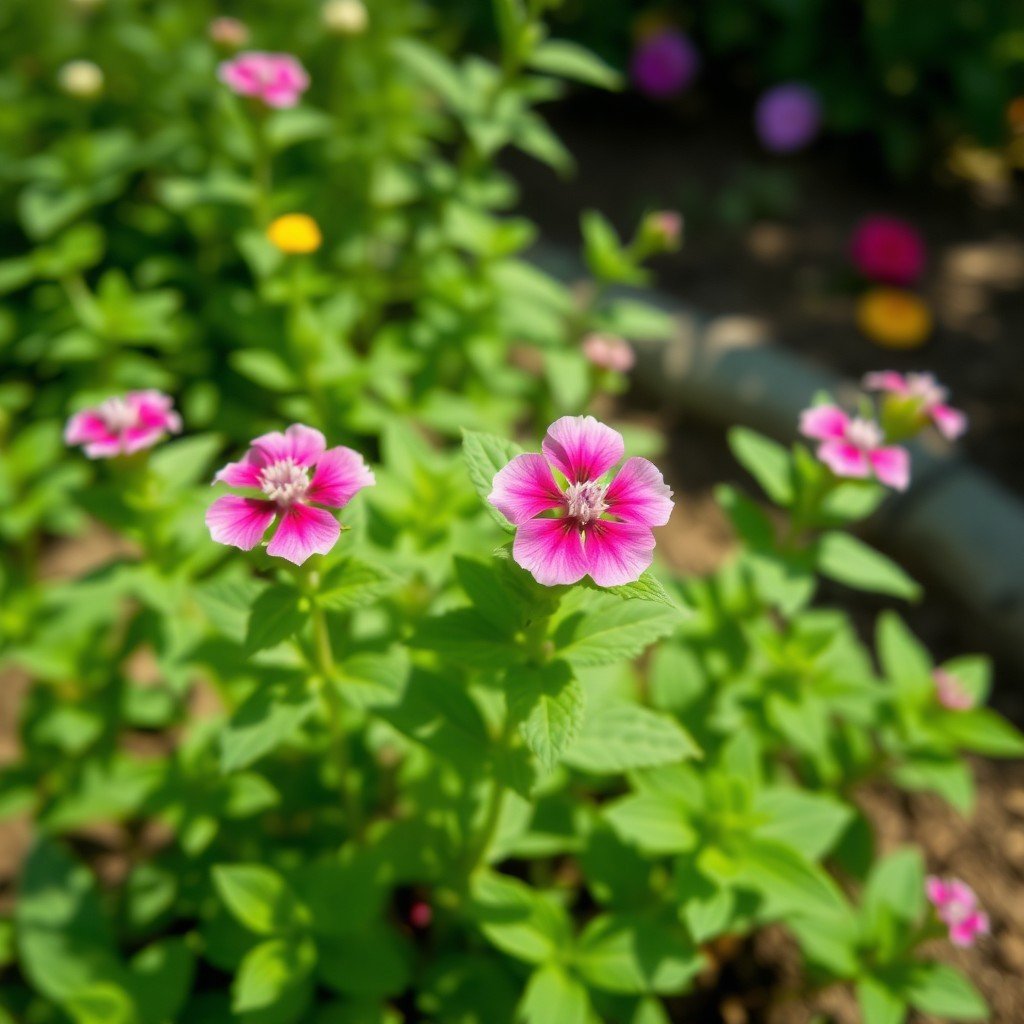
Wild Persian Mint is a fragrant, robust mint prized for its cool, refreshing aroma and vigorous, fast-spreading growth. The deep green, softly textured leaves carry the classic minty scent that is most intense in the young, soft shoot tips, making this variety a favourite for fresh tea, cooling summer drinks, and traditional Middle Eastern dishes, as well as an attractive, ground-covering herb in the garden. Like all true mints it spreads readily by underground runners, so a few plants quickly become a generous, sweetly scented patch.
Planting
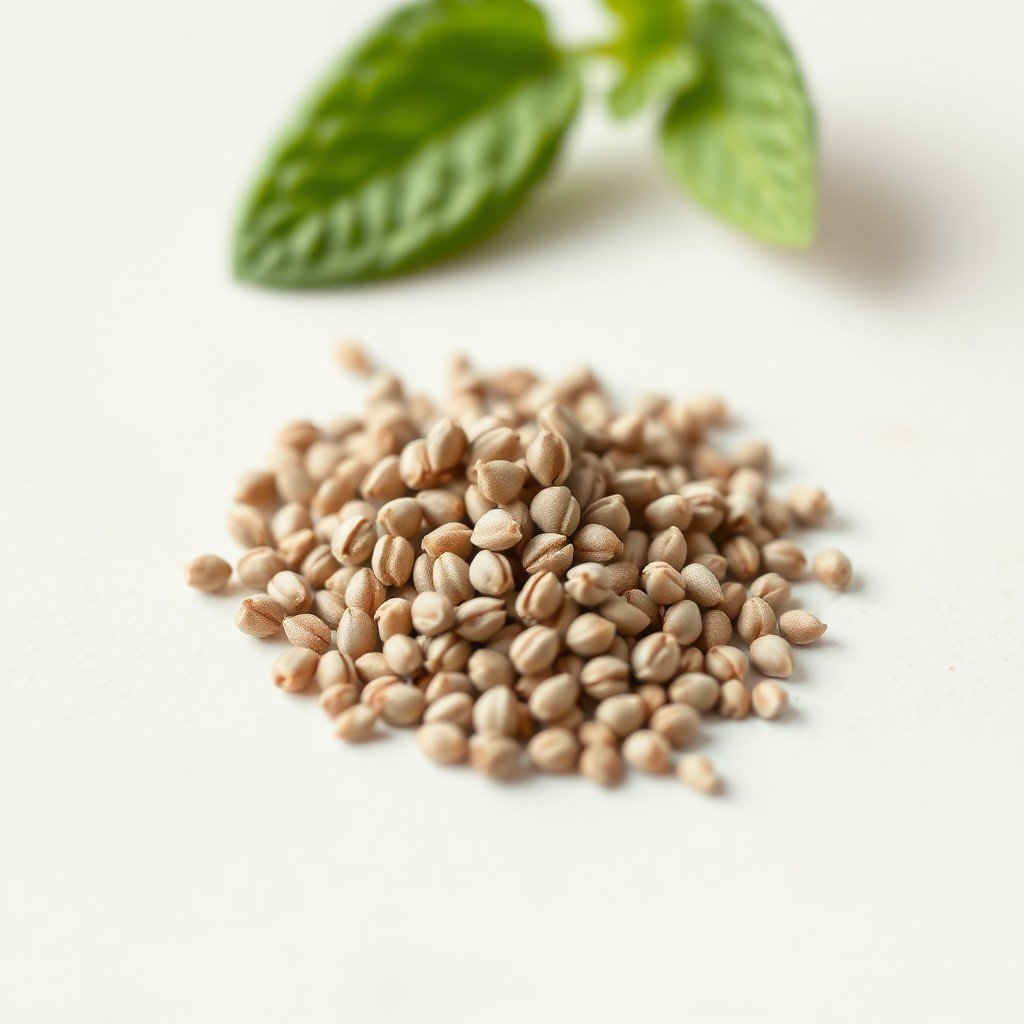
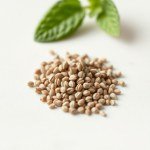
Start your mint seed indoors in spring, roughly 6 to 8 weeks before your spring planting or transplanting date, and move the young plants outside only after the danger of frost has passed. Press the seeds onto the surface of the growing medium and do not cover them, since mint seed needs light to germinate. Keep the medium moist and well lit, and expect germination in about 10 to 14 days at 22 to 24 C (around 20 C also works, with sprouting in roughly two weeks). Give plants a sunny to lightly shaded spot with at least 4 to 6 hours of sun a day; mint grows in sun or shade but is most productive in full sun. Space transplants about 45 cm apart, or set them 30 to 45 cm apart in rows 45 cm apart, keeping in mind that mature plants reach about 45 to 90 cm tall and spread aggressively by rhizomes. Note that mint is more commonly propagated vegetatively than from seed.
Fertilizing
Mint prefers a rich soil high in organic matter, and in well-amended ground it may not need any added feed at all. Before planting, work compost or well-rotted manure into the bed to supply nutrients and improve drainage, aiming for a soil pH of 6.0 to 6.5. Where feeding is wanted, apply nitrogen from spring to early summer to match the plant's active growth. Avoid excess nitrogen: it produces soft growth that attracts spider mites and aphids and can make disease worse.
Care
Keep the root zone consistently moist, never letting the plants wilt between waterings, but avoid waterlogging the soil. Water the soil directly rather than the foliage to reduce leaf disease, and water deeply instead of giving frequent light sprinklings; drip irrigation is preferred over overhead sprinklers. Watch for common pests and diseases including mint rust, aphids, spider mites (favoured by hot, dry conditions and excess nitrogen), blue mint beetle, mint moth, and leafhoppers, as well as the serious soil-borne verticillium wilt; dislodge aphids and mites with a strong spray of water or insecticidal soap, and start from disease-free stock to avoid verticillium. Harvest individual leaves or shoot tips once plants are established, taking the young, soft tips for the most intense flavour, and remove any flower spikes to keep the leaves flavourful. The harvest season runs from late spring to autumn; for drying or the strongest oil, cut the whole plant just as the flower buds begin to appear, and after flowering cut it back to about 5 cm from the base to encourage fresh growth. Frequent cutting keeps plants bushy, and dividing established clumps every 3 to 4 years maintains their vigour.