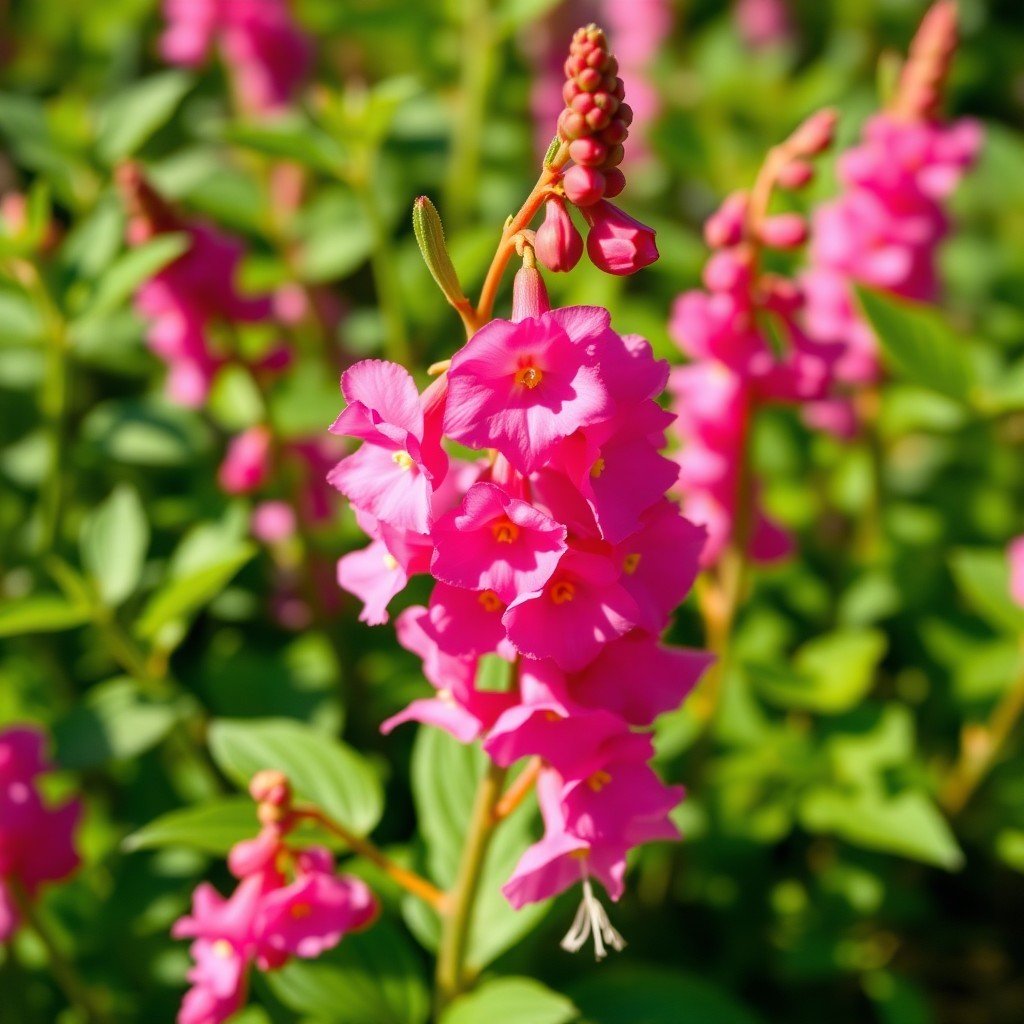
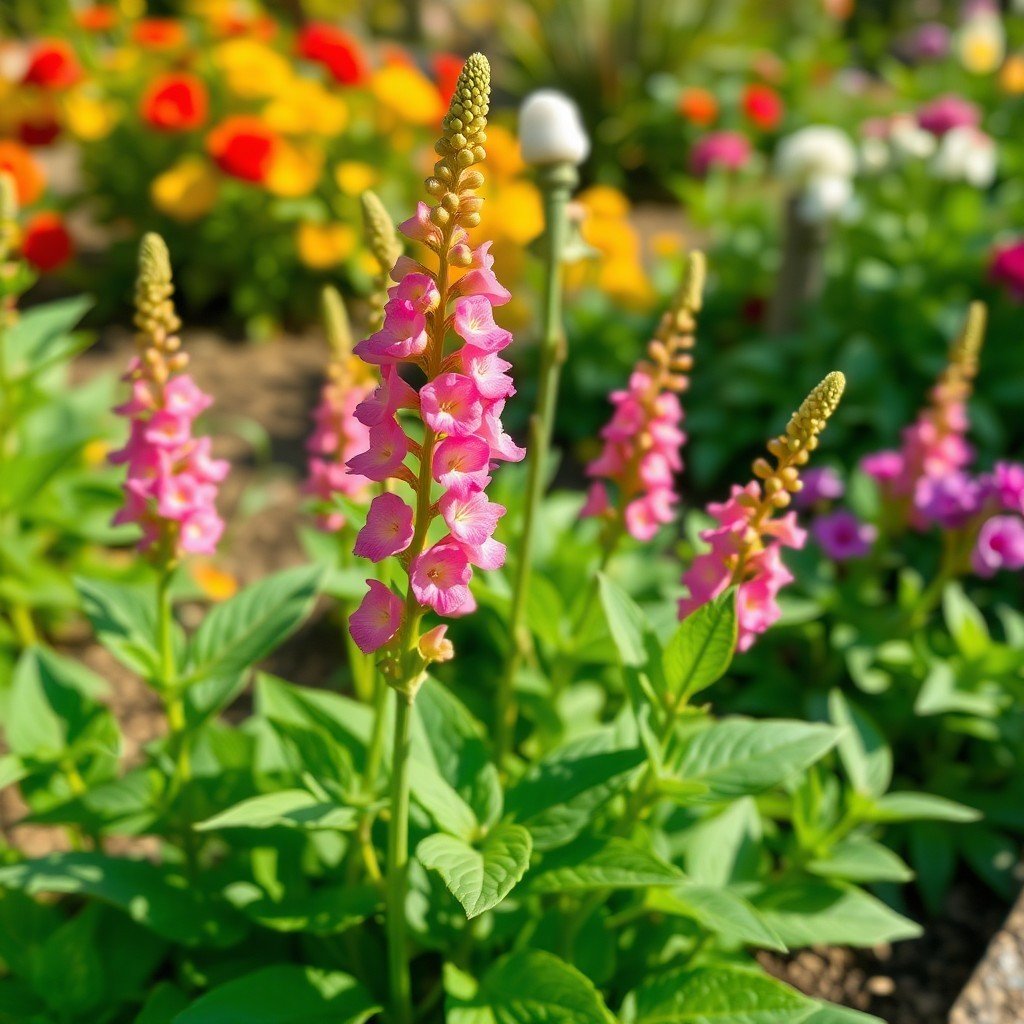
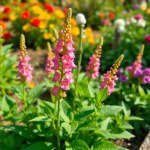
Common Snapdragon (Antirrhinum majus) is a beloved cool-season ornamental whose tall, upright spikes carry dozens of hinged "dragon-mouth" blooms that snap open when gently squeezed. The florets come in a rich palette of colours and make superb cut flowers, holding well in the vase and bringing height and structure to winter borders, beds, and containers. It is a classic, dependable variety for Egyptian gardens through the cooler months.
Planting
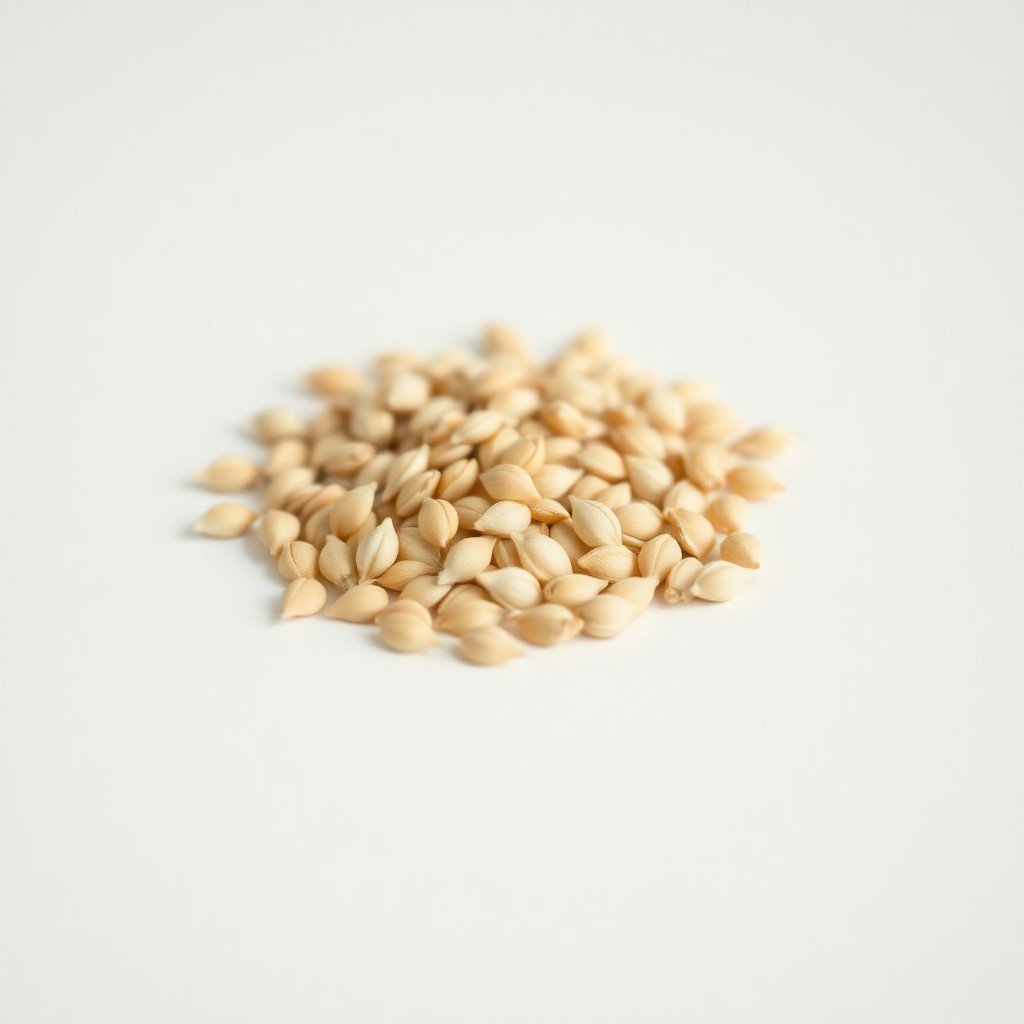
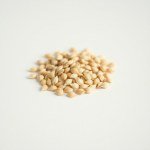
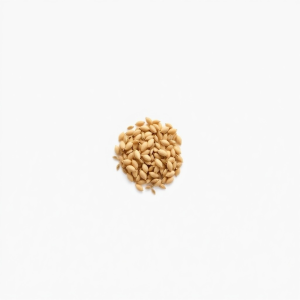
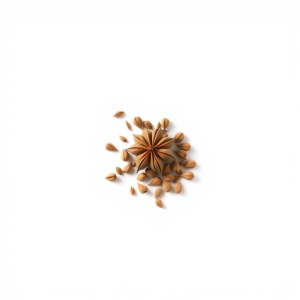
Surface-sow the seeds and do not cover them with soil; snapdragon seed needs light to germinate, so simply press it onto the surface, adding at most a very fine dusting of vermiculite to hold moisture. Germinate at about 16-20 C, aiming for a steady 17-18 C soil temperature for even emergence in roughly 7-14 days. In Egypt this is a winter crop: sow in nursery beds in autumn (September-October) and transplant out in October-November once seedlings carry two to three fully expanded true leaves, about 3-4 weeks after sowing. Space plants 15-30 cm apart, around 15 cm for dwarf types and up to 30 cm for tall ones.
Fertilizing
Feed with a balanced nitrogen-potassium fertilizer at about 150-200 ppm nitrogen. Apply every other watering at the seedling stage and every third watering as the plants grow on. Snapdragons are sensitive to high salt levels, so avoid over-feeding; in temperatures below about 18 C, steer clear of ammonium-heavy feeds.
Care
Grow in full sun for the best flowering, though plants tolerate partial shade. Keep the soil moist but well-drained and avoid waterlogging, which encourages root rots; bottom-water or mist seed trays so you do not wash over the surface-sown seed. For bushier plants and more spikes, pinch back to 4-5 cm when seedlings reach 8-10 cm. Watch for aphids, whiteflies, and spider mites, and for rust and mildews; promote airflow and avoid overhead wetting. In the humid Delta space generously, while in Upper Egypt give afternoon shade. Winter cultivars bloom from February through April or May; deadhead spent spikes to extend flowering.