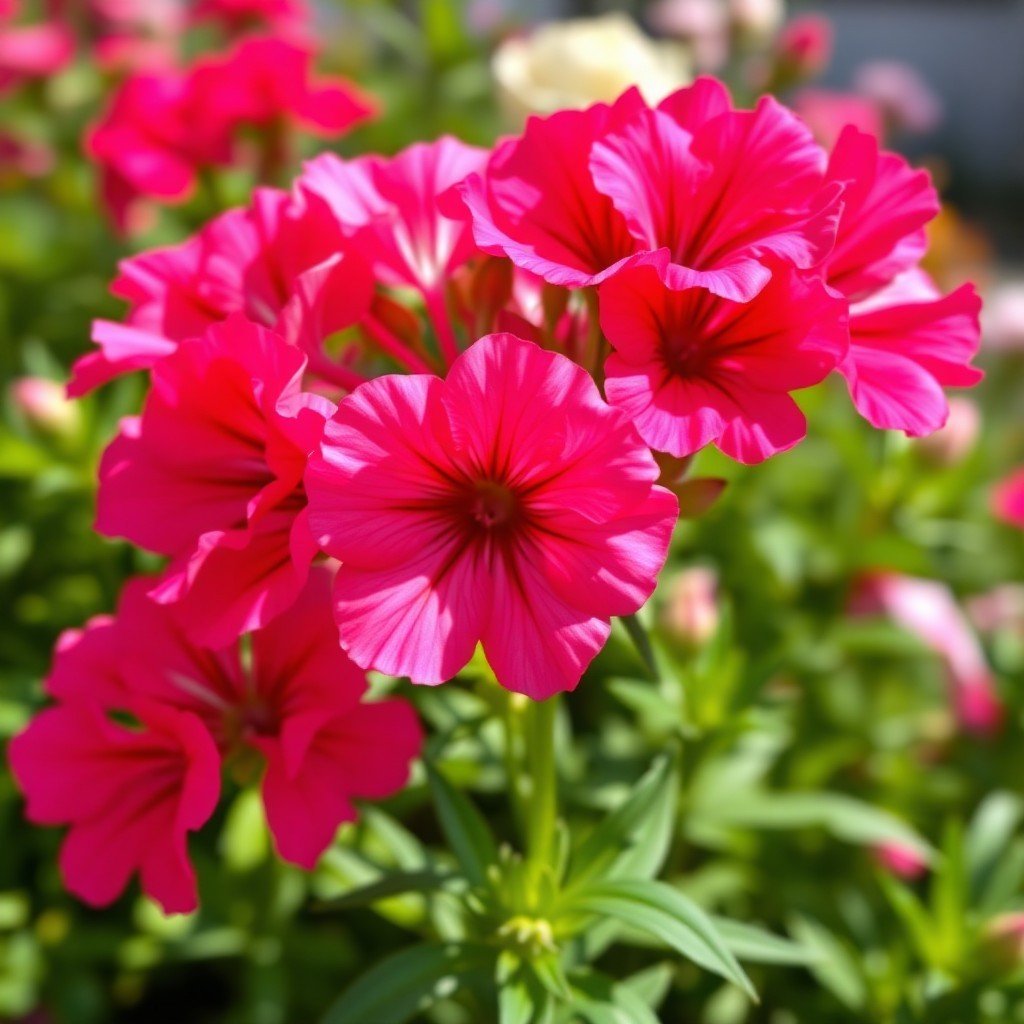
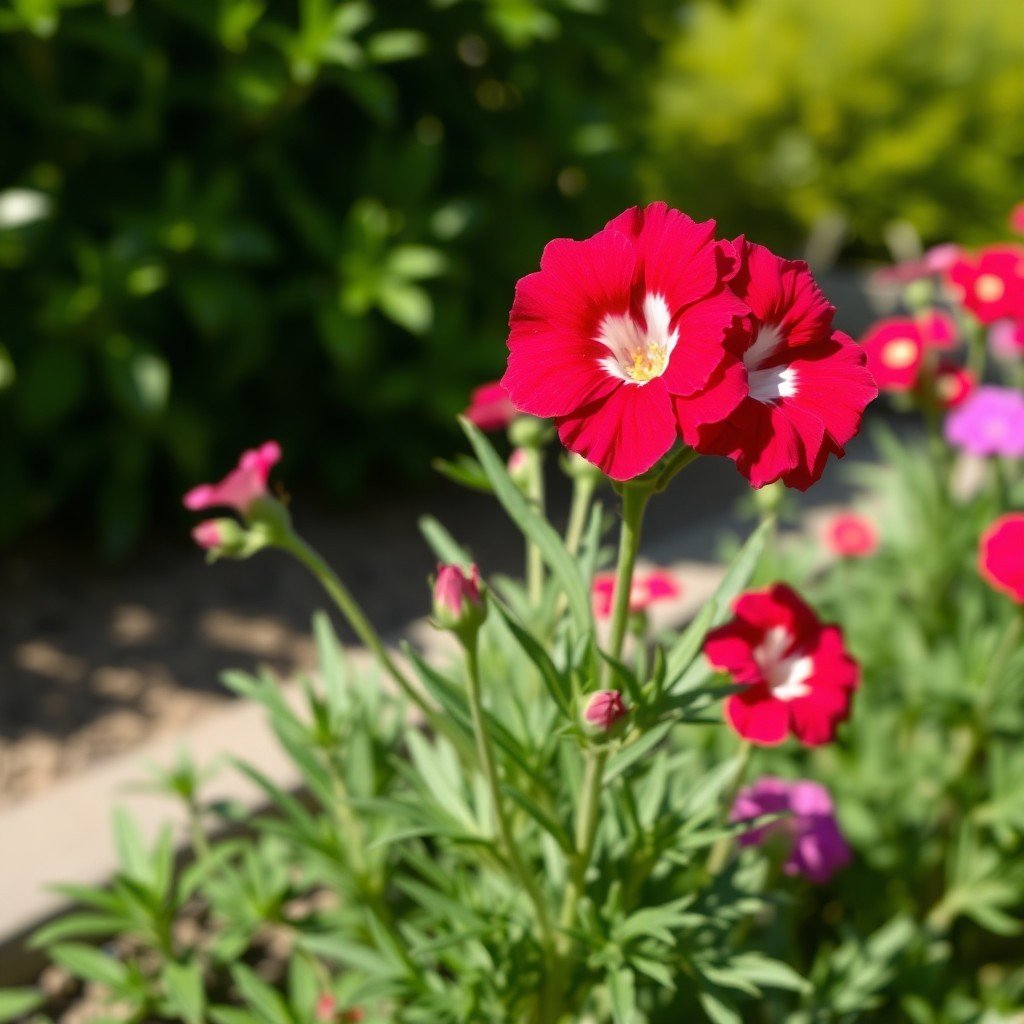
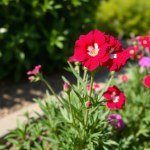
Dianthus caryophyllus, the true carnation, is loved above all for its unmistakable spicy clove fragrance and its full, ruffled double flowers carried on slender grey-green stems. Blooming through summer in deep, saturated jewel tones, it is one of the most prized cut flowers in the world and an old-fashioned favourite for fragrant borders and containers alike. The long-lasting blooms and sweet scent make it as rewarding in a vase as it is in the garden, setting it apart from the smaller, mat-forming pinks in the wider Dianthus family.
Planting
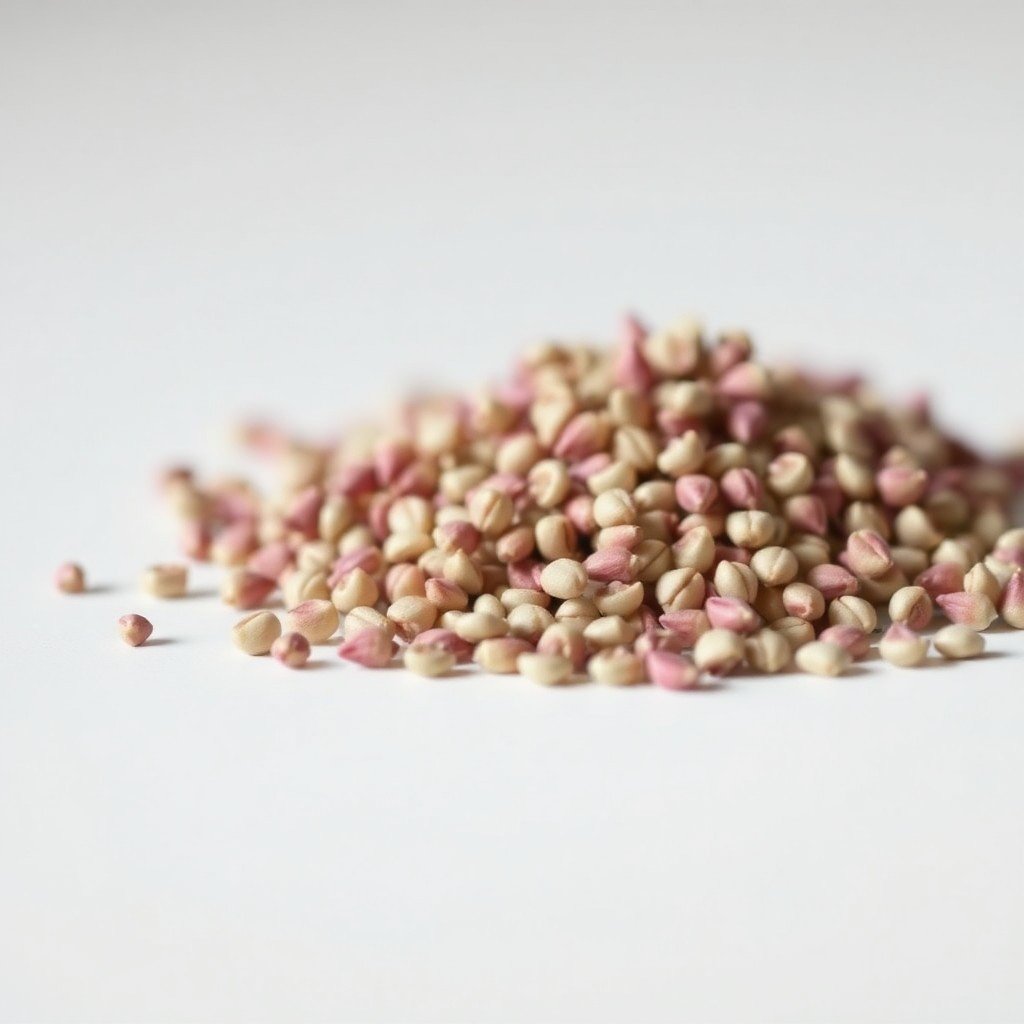
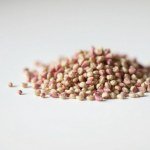
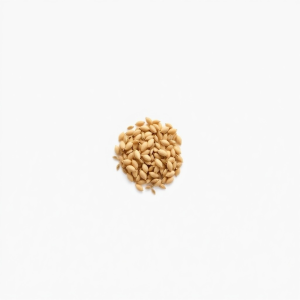
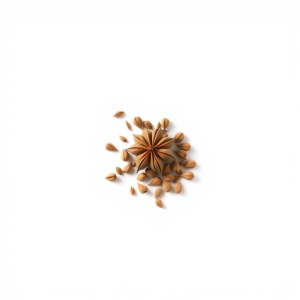
Carnations are a cool-season flower, so timing matters more than anything. In Egypt the ideal window is autumn, roughly late September to November, when daytime temperatures settle into the favourable 15-25°C range; sowing into the hot May-September period gives poor results. Start seeds indoors and sow them shallowly, since light aids germination, do not bury them deeply. Seeds sprout in about 1 to 3 weeks at 15-21°C. Transplant the young plants outdoors roughly 8 to 10 weeks later, after any risk of frost. Choose a spot in full sun (a south-, west- or east-facing position), as plants flower poorly in shade. Give them well-drained, organically rich, gritty loam that is neutral to slightly alkaline, around pH 6 to 7.5; they also tolerate sand or chalk, but standing water rots the roots. Space the plants about 15 to 25 cm apart.
Fertilizing
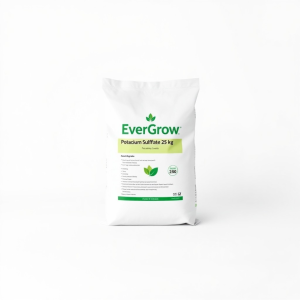
Feed your carnations a few times across the growing season with a balanced fertilizer carrying equal parts nitrogen, phosphorus and potassium, such as a 10-10-10 blend, or use a phosphate-rich tomato feed to encourage flowering. Plants grown in containers, along with perpetual-flowering types in active growth, respond well to a balanced liquid fertiliser applied about every 10 days. Before planting you can also enrich the soil with well-rotted manure or compost together with a balanced fertiliser in spring to give the plants a strong start.
Care
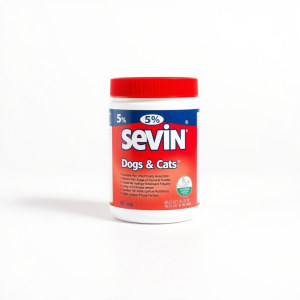
Aim for medium, even moisture in well-drained soil, watering moderately while the plants are in active growth. Let the soil dry out before watering again and avoid soggy conditions, which lead to root rot. To keep the flowers coming, deadhead faded blooms regularly, removing the stems as well; picking flowers often has the same effect and extends the display. After the main flush fades in late summer, shear the plants back to encourage a second flush of blooms. Remember that carnations prefer cool conditions and tolerate heat poorly, so in Egypt's warmer regions provide light afternoon shade and steady moisture if the season turns hot. Watch for aphids, which can also spread viruses, and for mites, and stay alert to diseases such as rust, gray mould, and Fusarium wilt.