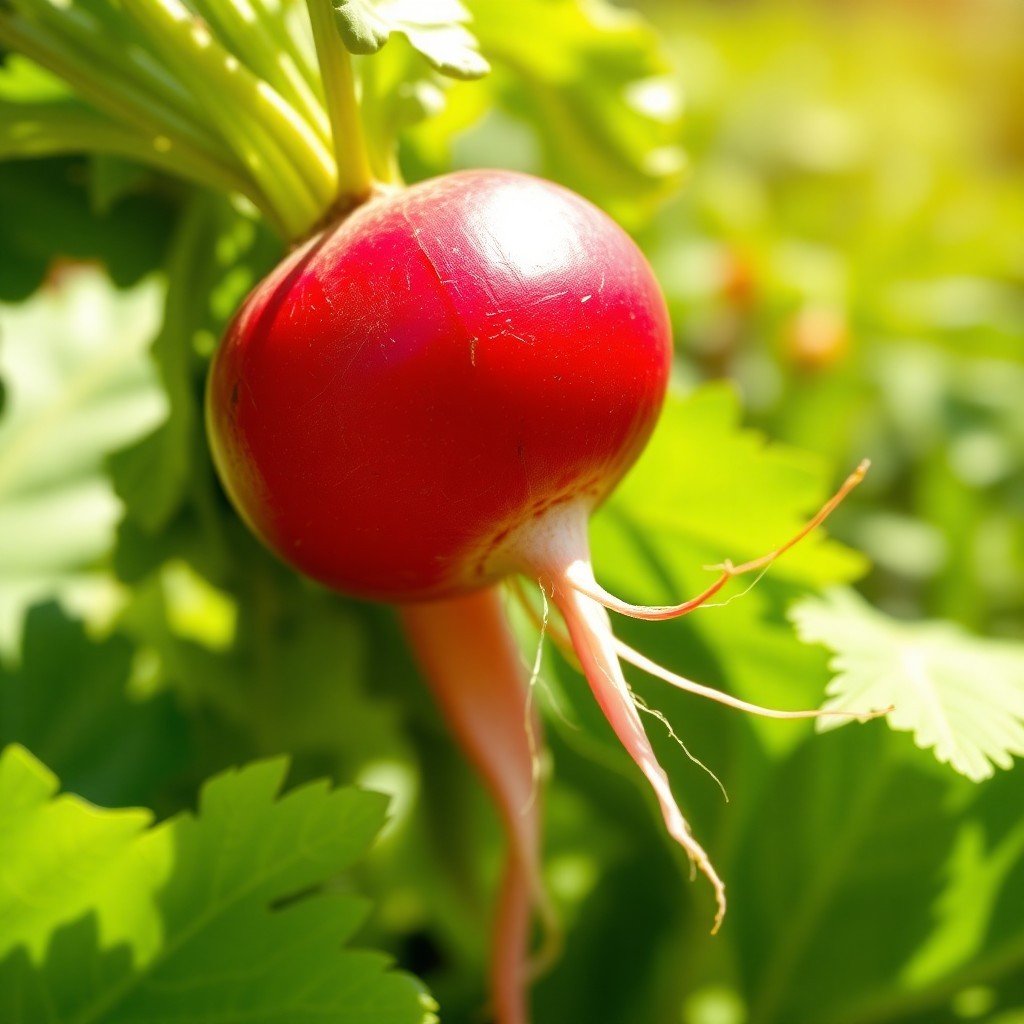
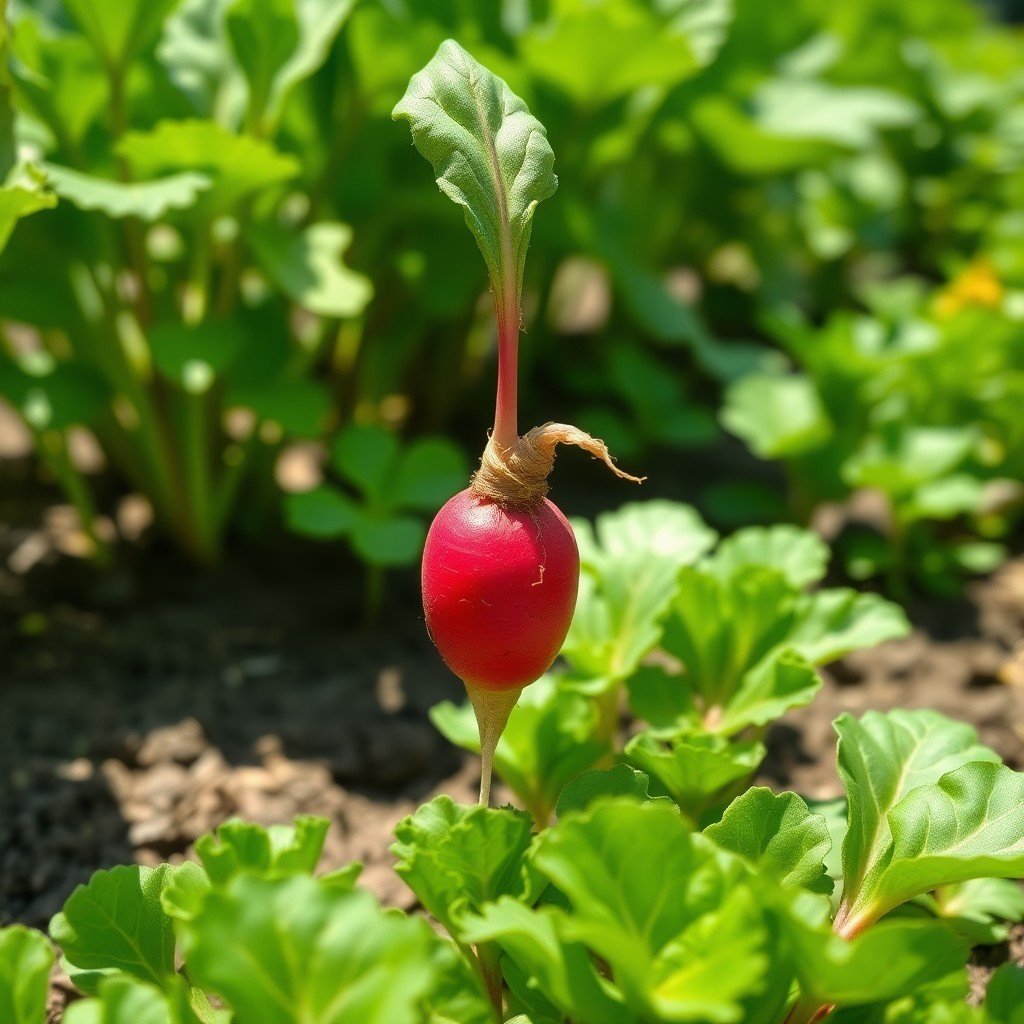
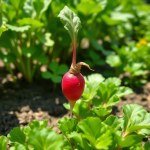
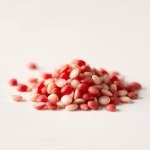
Red Radish Brassicaceae is the classic round salad radish prized for its bright cherry-red skin and crisp, snow-white flesh with a clean, mildly peppery bite. As one of the fastest crops in the garden, it is best enjoyed fresh and whole in salads or sliced for a colourful crunch, and its quick turnaround makes it a satisfying choice for impatient growers.
Planting
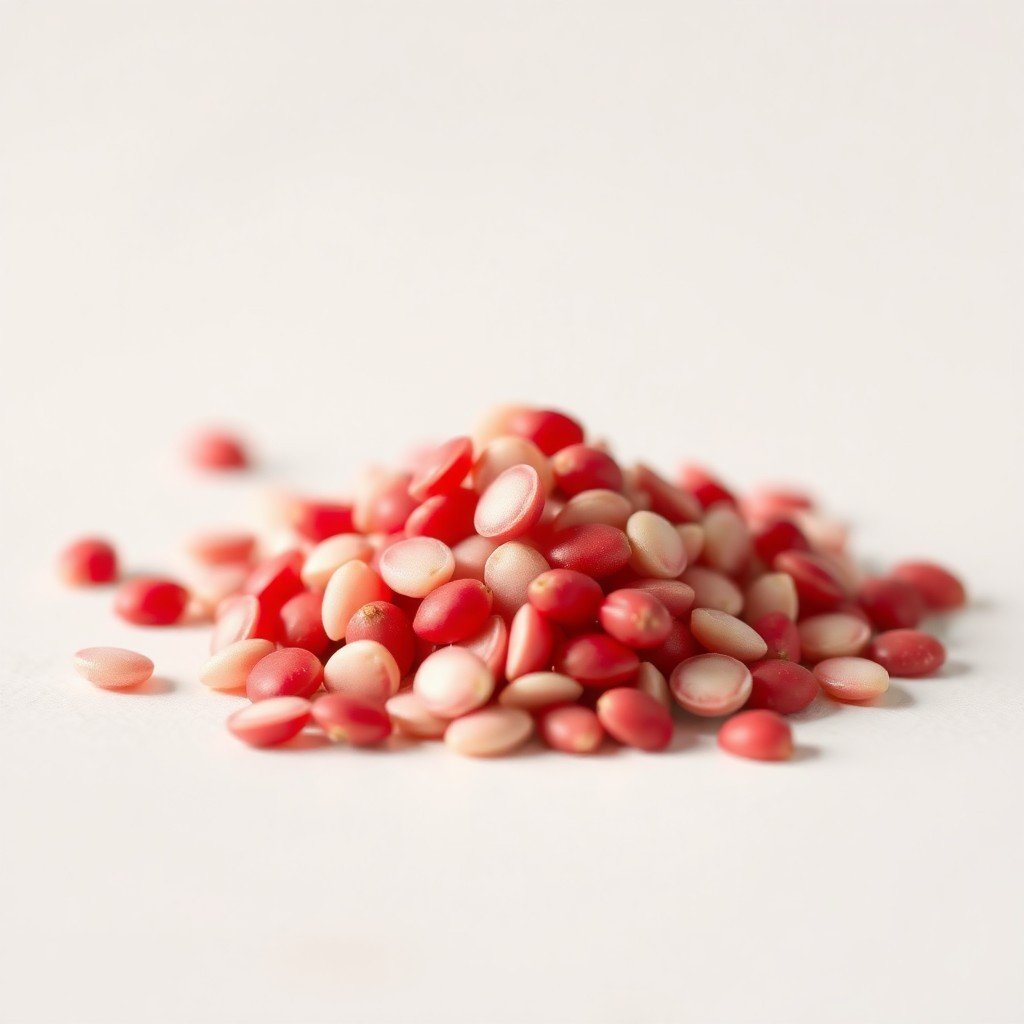
This is a cool-season root crop, so time your sowing to mild weather and avoid hot, dry spells, which push the plants to bolt and run to flower. Sow successionally through spring, early summer and late summer, making small repeat sowings every 10 to 14 days for a steady, continuous harvest. Radish dislikes root disturbance, so always sow it straight into its final bed rather than transplanting. Set the seed about 1 cm deep, spacing seeds roughly 2.5 to 5 cm apart with about 15 cm between rows. Choose an open, sunny site; in the heat of midsummer a little light or partial shade helps salad radishes resist bolting, and shorter day length of around 8 hours favours root formation over flowering. Seedlings usually emerge in about 3 to 10 days, often within 4 to 7 days in warm soil. The crop grows best where soil temperatures sit between roughly 10 and 24 C, while sustained warmth above about 21 C triggers bolting.
Fertilizing
Prepare the bed with aged compost before sowing, then side-dress with more aged compost at midseason to keep growth steady. Steer clear of fresh manure and high-nitrogen fertilizers: they drive lush leafy tops at the expense of the roots you actually want. A balanced or low-nitrogen feed is the better choice, and as a root crop, radish responds well to a phosphorus-leaning blend such as 5-10-10.
Care
Consistent moisture is the secret to crisp, well-shaped roots that do not split, so keep the soil evenly moist for rapid, even growth. Aim for about 2.5 cm of water per week and soak the bed thoroughly at least once weekly; sandy soils dry out faster and need watering more often than heavy clay. Irregular or scant watering leaves roots woody and unpleasantly hot-tasting. About a week after the seedlings emerge, thin them to roughly 2 to 2.5 cm apart, doing so promptly so the swelling roots have room. Watch for common pests such as flea beetles, which chew small holes in the leaves, cabbage root fly maggots that tunnel into the roots, plus slugs, snails and aphids; floating row cover and steady moisture help keep flea beetle and root fly damage in check. Salad radishes mature quickly, in about 3 to 5 weeks, and are ready when the roots reach roughly 2.5 cm across. Harvest promptly, because roots left too long turn woody, pithy and prone to splitting.