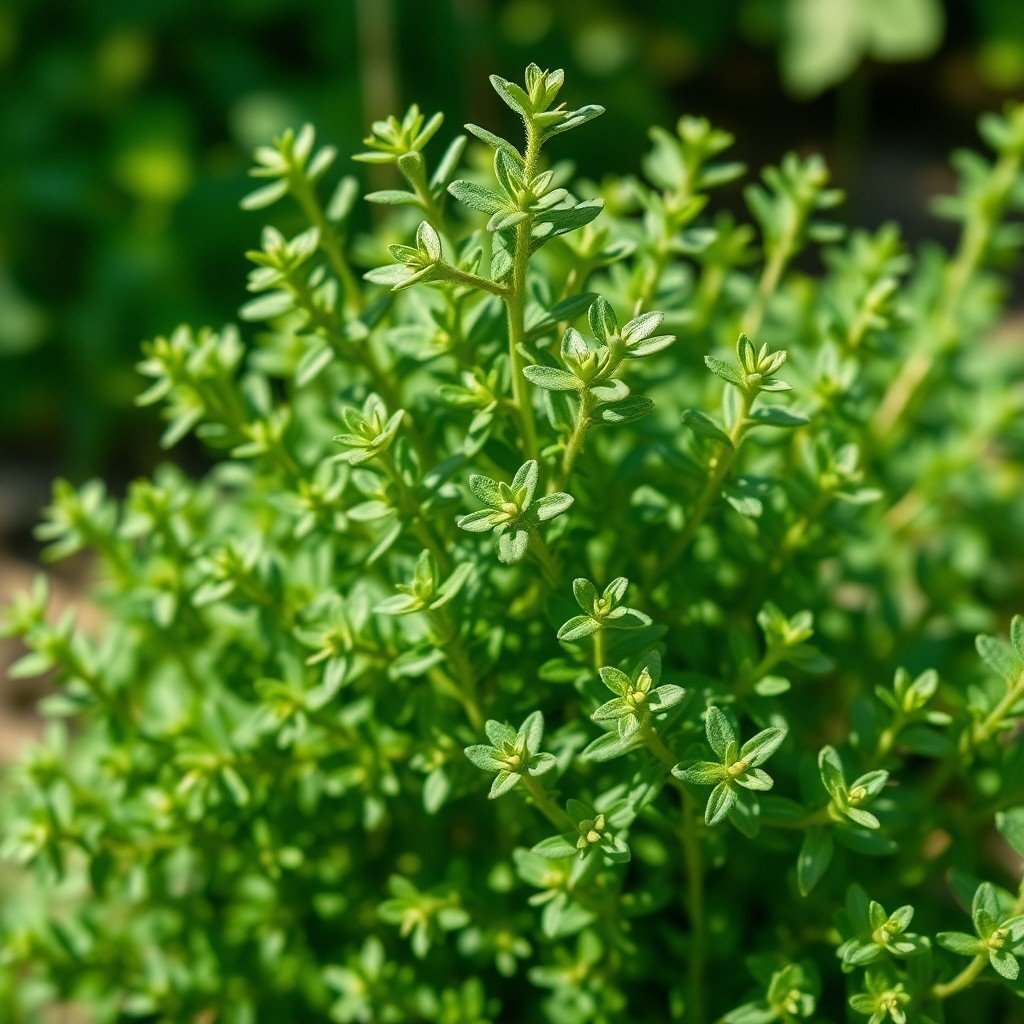
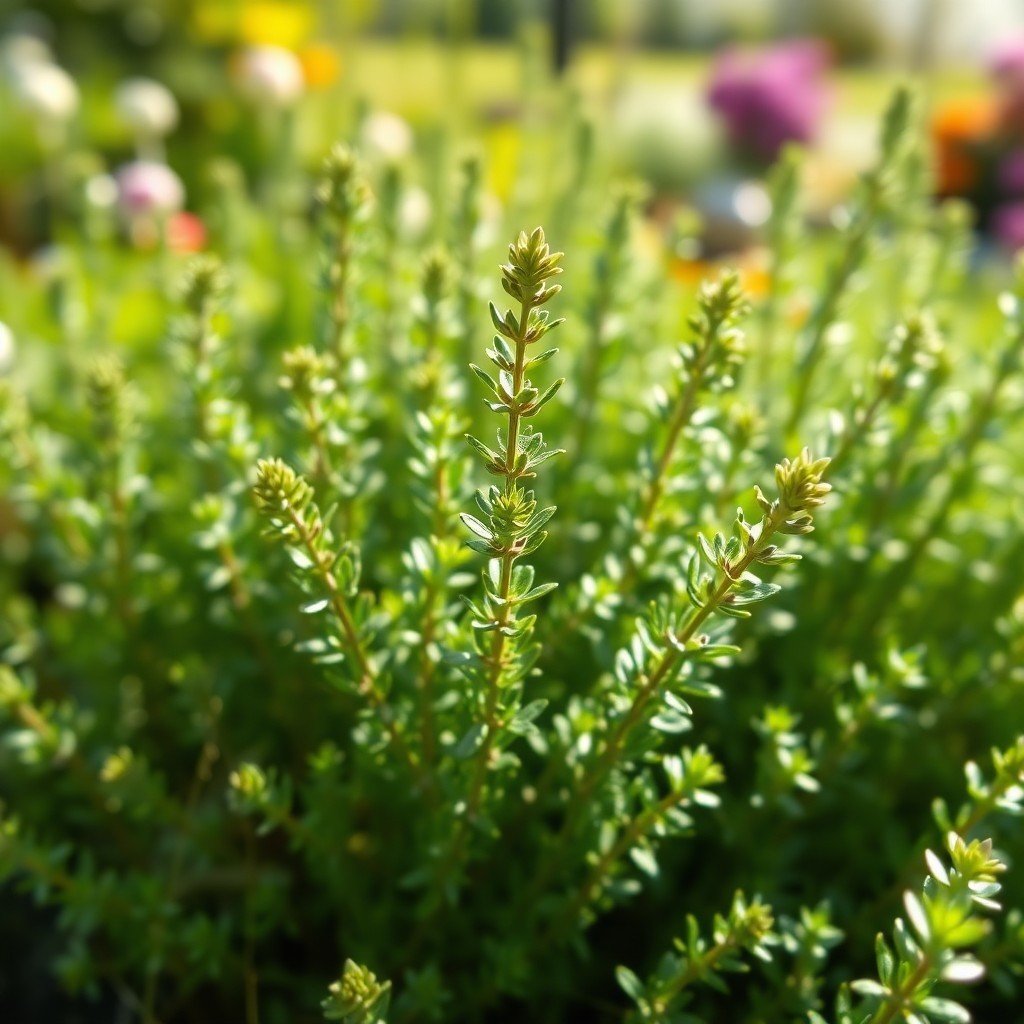
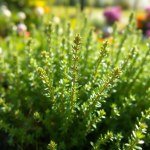
Common thyme (Thymus vulgaris) is the classic culinary thyme: a compact, woody evergreen perennial that stays low at around 15-30 cm tall, with small grey-green leaves and a warm, gently peppery aroma that defines so many Mediterranean dishes. In spring and summer it crowns itself with tiny tubular flowers in white, pink, or soft purple-lavender, only about 4-5 mm long, which also draw pollinators. It earns its place in the kitchen for seasoning meats, soups, and roasted vegetables, and its tidy, frost-tolerant habit makes it just as welcome edging a sunny bed or spilling over a rockery.
Planting
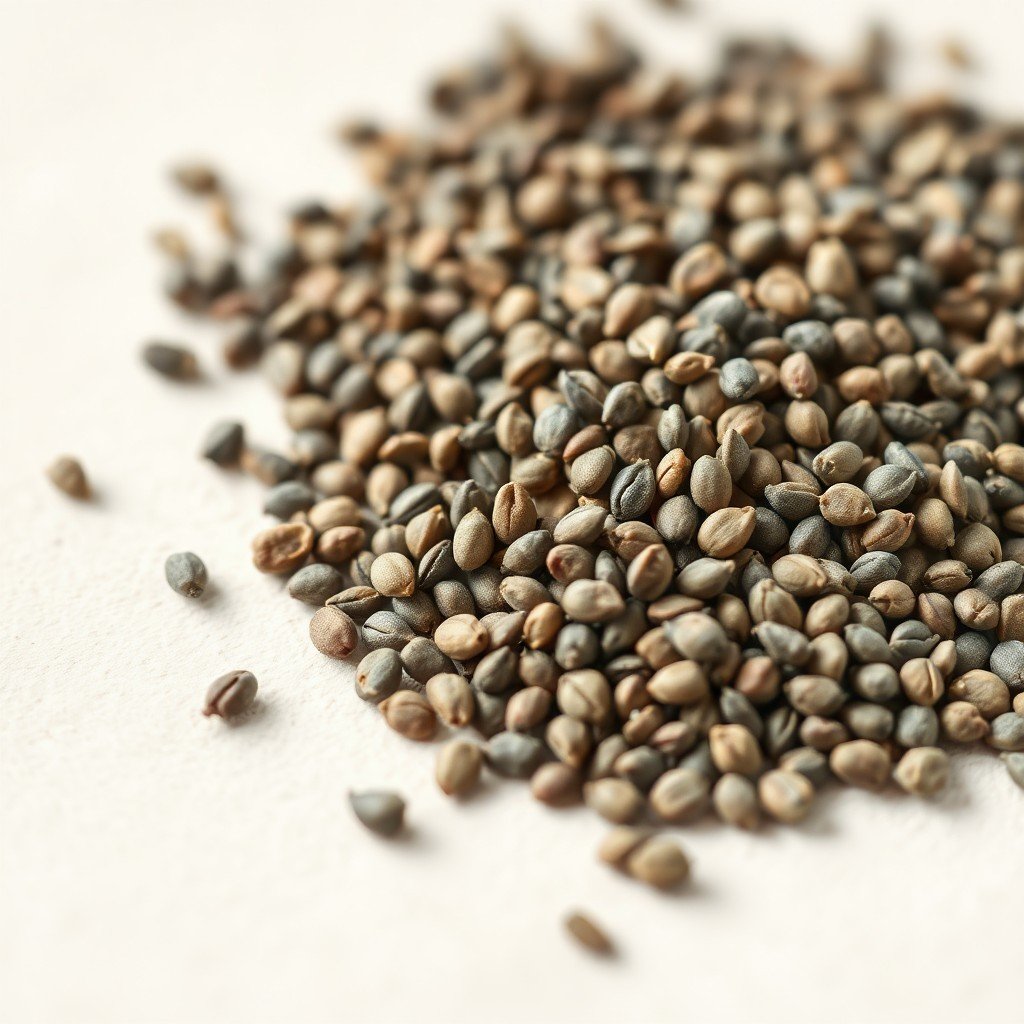
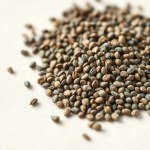
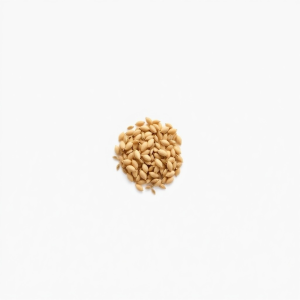
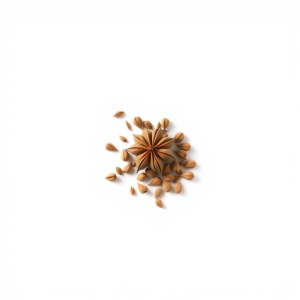
Thyme seed is extremely fine and needs light to sprout, so scatter it thinly over the surface of moist seed compost and either leave it uncovered or barely dust it with mix no deeper than about 0.5 cm. Keep the medium at roughly 15-21 C and be patient: germination is slow, usually taking 14-21 days, and gentle bottom heat speeds things along. In temperate areas seed is started indoors about 8-10 weeks before the last spring frost, then hardened off and transplanted out from mid-spring to early summer. In Egypt the climate suits thyme well; the best window is autumn, sowing or transplanting from late September to November so seedlings settle through the mild winter, with late winter to early spring (sow indoors January-February, transplant February to early April) a strong second option. Avoid the peak heat of June-August. Move seedlings into individual pots once they have about 4 true leaves, then set plants 15-30 cm apart with rows about 30-45 cm apart, in full sun of 6 or more hours a day, on light, well-drained soil; in the hottest spots a little afternoon shade is welcome.
Fertilizing
Thyme is a light feeder and actually prefers lean conditions, so go easy. Too much feeding, especially high-nitrogen feeding, dilutes the leaf flavour and lowers the essential-oil content that makes thyme worth growing. A light compost amendment worked in at planting is usually all it needs. If you do choose to feed, keep it modest, such as a diluted fish emulsion in early summer, and steer clear of rich or heavy feeding.
Care
Thyme thrives in light, well-drained, low-fertility soil and tolerates dry, sandy, rocky, and alkaline ground, preferring a roughly neutral to alkaline pH of about 6.0-8.0; heavy soil should be opened up with compost for drainage. Keep the medium moist until germination and while seedlings establish, then water sparingly and let the soil dry between waterings, since established plants are drought-tolerant and wet soils invite root rot. This matters most in the cooler, humid Nile Delta and northern coast, where excellent drainage, generous spacing, and good air circulation are the key defences against winter dampness. Watch for aphids and spider mites on new growth and leaf undersides, treating with insecticidal soap or neem/horticultural oil; rosemary beetle, sage leafhopper, and slugs and snails can also appear. Fungal problems such as grey mould (Botrytis), Rhizoctonia root rot, Alternaria leaf spot, and powdery mildew are favoured by warm, damp conditions, so good drainage, air flow, and restrained watering prevent most trouble, while powdery mildew can be treated with sulfur- or copper-based fungicides. Harvest lightly in the first year, as seed-grown thyme takes about a year to establish; thereafter the best flavour comes just before or as the flowers open, in Egypt typically around March-May. Cut sprigs back to within about 10-12 cm of the ground, leaving at least 12 cm of growth, and trim lightly after flowering to keep plants compact. Common thyme is a hardy evergreen perennial that grows woody after 3-4 years, at which point it is best divided or replaced.