Persian Chrysanthemum is a classic ornamental daisy-type mum prized for its layered, rounded blooms and clean, upright form. As a short-day plant, it saves its best show for autumn, opening waves of colour from September into November just as the garden begins to quiet down. With full sun and steady moisture it forms sturdy, well-branched clumps that look equally at home massed in beds, edging a border, or brightening a sunny patio pot. Its long-lasting autumn flowers also make it a favourite cut flower for the vase.
Planting
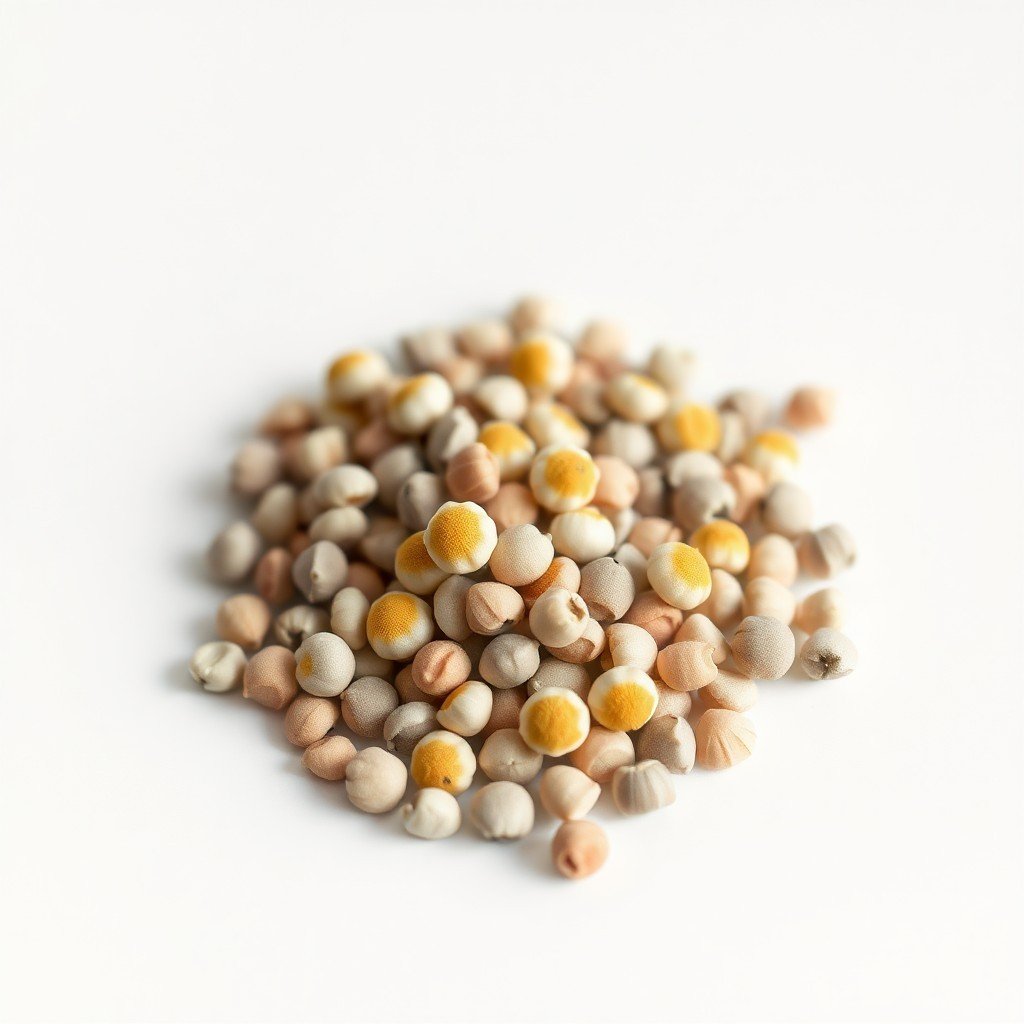
Start seed indoors in late winter to mid-spring, roughly 6 to 10 weeks before the last spring frost; spring sowing works well. Scatter the seed on the surface of your starting mix and only barely press it in, because chrysanthemum seed needs light to germinate, so never bury it deeply. Keep it under bright light. Germination takes about 10 to 14 days at a soil temperature of 18 to 21 C with gentle bottom heat, and a spring sowing at around 15 C typically sprouts within two weeks. Transplant young plants at the same depth they were grown, taking care not to bury the root ball, and move them out after frost danger has passed. Choose a full-sun site offering at least 6 hours of direct sunlight a day, and space plants about 30 to 45 cm apart, allowing the wider end of that range for spreading types.
Fertilizing
Before planting in spring, work a low-nitrogen balanced fertilizer into the bed, around 0.2 kg per square metre of a 5-10-5 blend dug in to about 15 cm deep. Through the season, feed lightly with dilute fertilizer several times before the buds set, and on poorer soils a second, lighter feed in early summer to late summer (such as 5-10-5 or 10-6-4) gives the plants a useful boost. Keep nitrogen moderate: it drives growth and flowering, but too much delays bloom and reduces the number of flowers. Once the plants come into flower, container-grown mums benefit from switching to a high-potassium feed such as a tomato fertilizer.
Care
Keep the soil evenly moist all season but never waterlogged; mums are shallow-rooted, so they need frequent watering during hot, dry spells, while good drainage protects them from root rot. For pots, water once the top few centimetres of mix have dried out. Pinch the growing tips to encourage branching and more flowers: take the first pinch when plants reach about 15 to 20 cm tall, removing roughly 2.5 cm from each shoot tip, then repeat when the new side shoots reach about 15 cm. Stop pinching around three months before you want bloom (continue no later than mid-summer), since un-pinched plants grow tall, leggy and flower poorly. Watch for common pests including aphids, leaf miners, leafhoppers, spider mites (worse in hot, dry conditions), caterpillars, capsid bugs, earwigs, slugs and snails; controlling aphids and leafhoppers matters because they spread viruses. Avoid overcrowding, shade and wet foliage to limit diseases such as white rust, powdery mildew, grey mould and Septoria leaf spot. Keep plants away from street or porch lights at night, as artificial light disrupts the short-day trigger they need to flower.