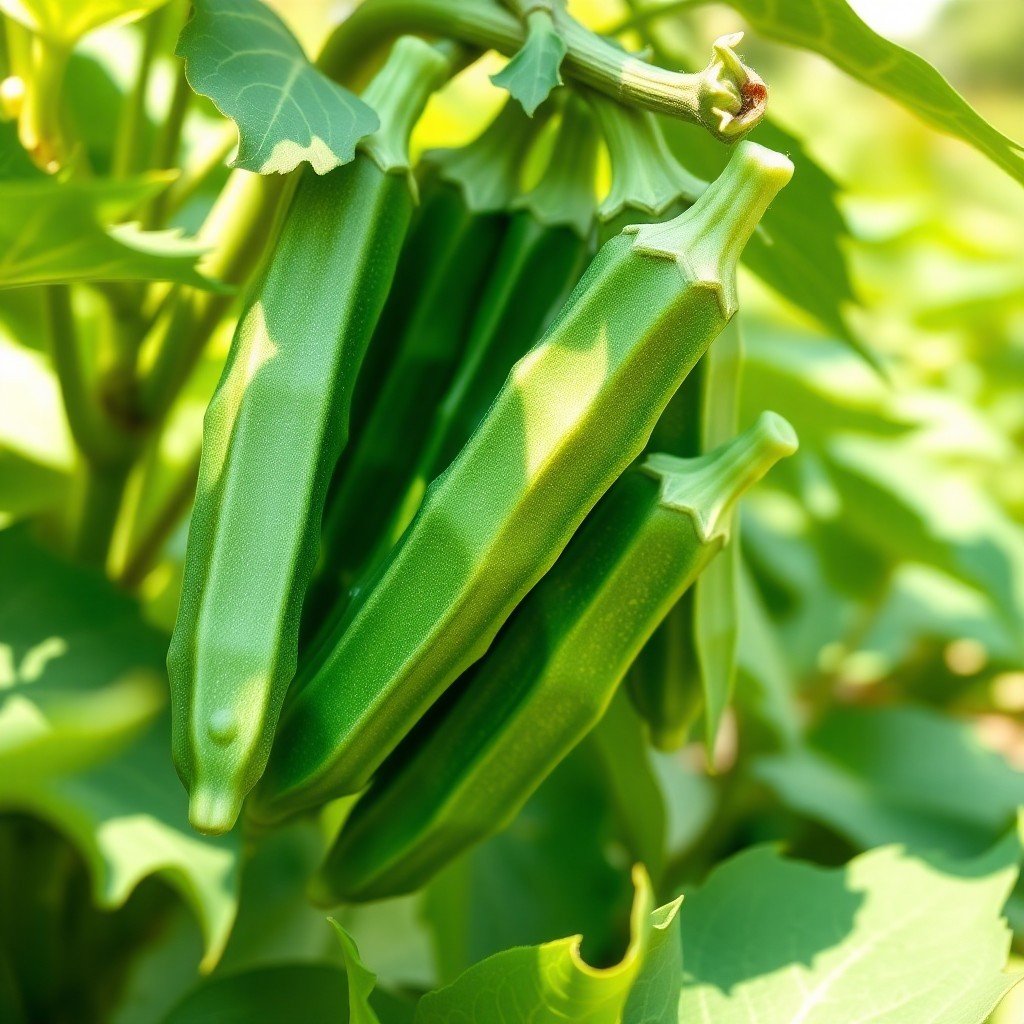
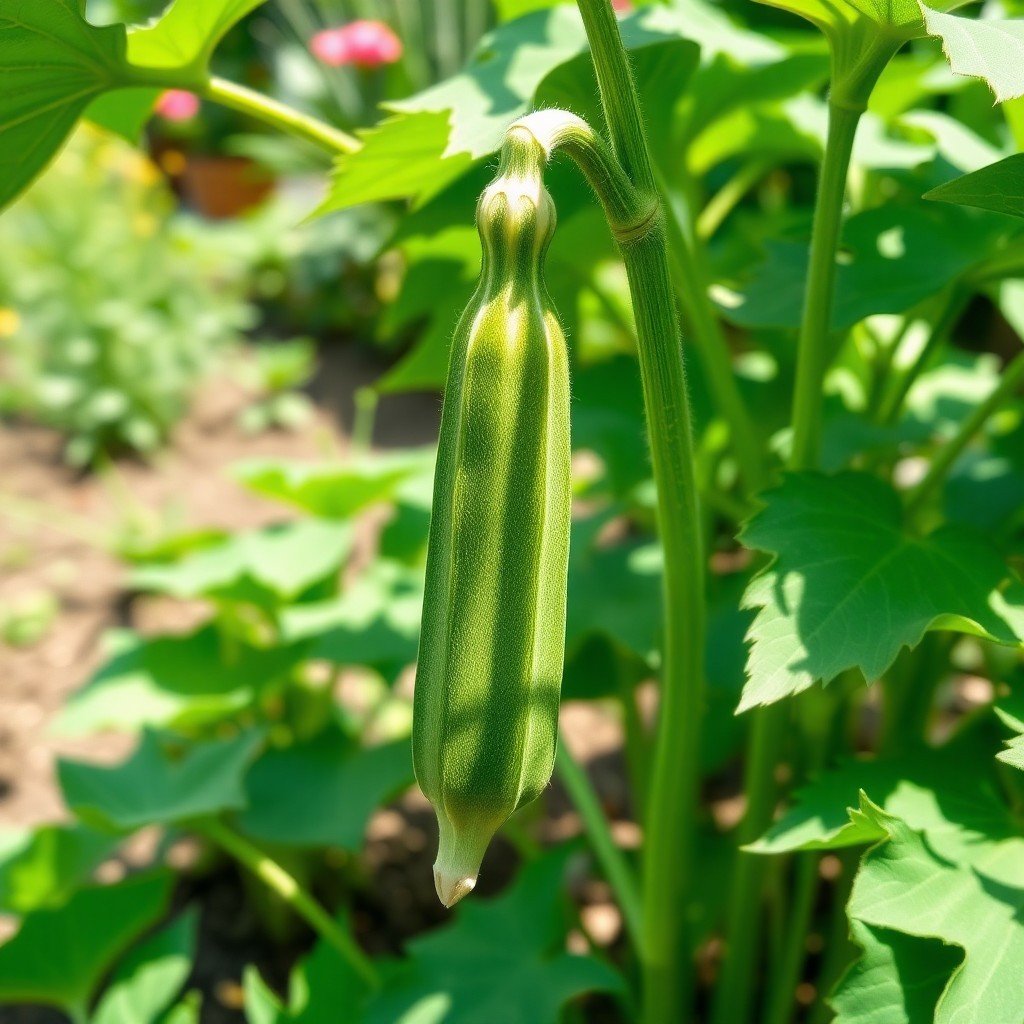
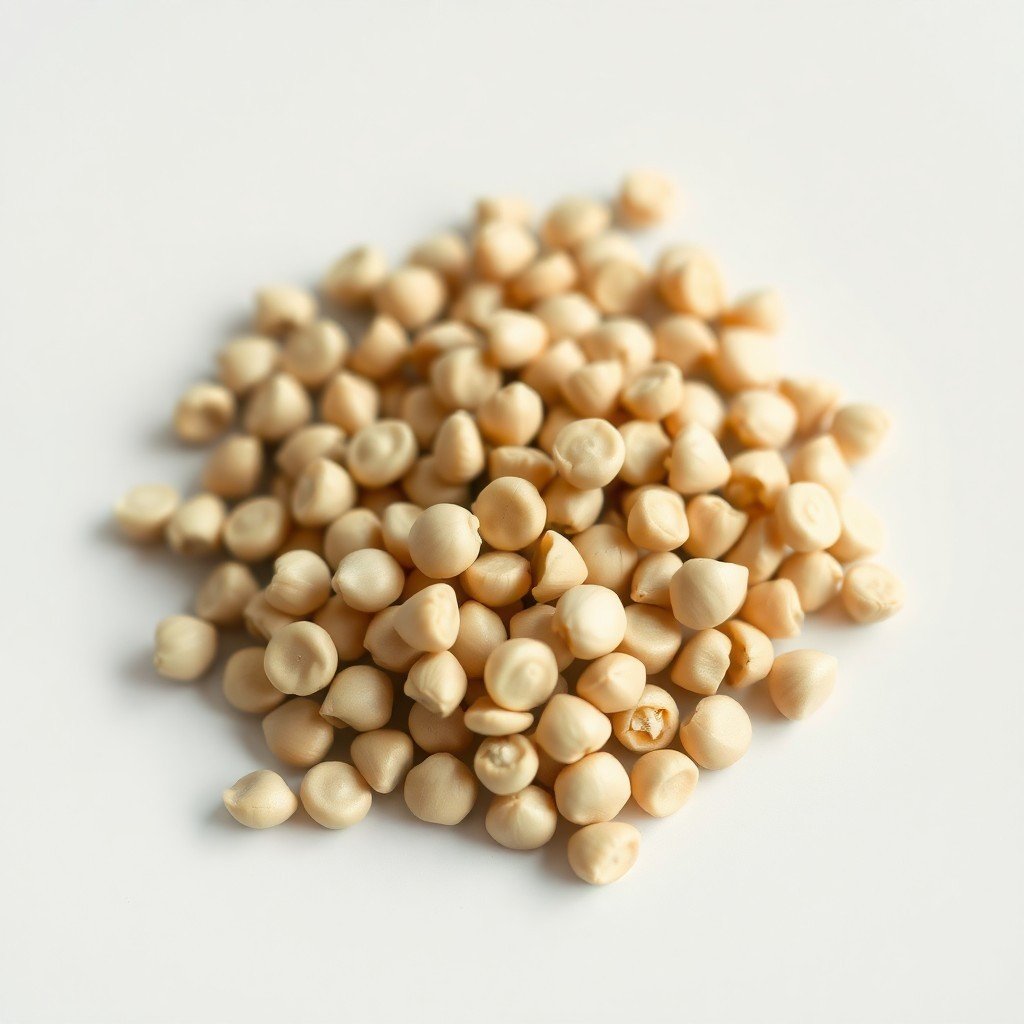
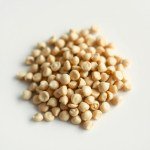
French Okra Zero is a refined, market-favourite okra grown for its small, slim, deep-green pods. The trick to its quality is in the name: pods are picked at the "zero" stage while they are still young and tender, so each one stays soft, smooth and free of the fibrous, woody texture that older okra develops. That young harvest gives a delicate flavour and a clean bite that holds its shape beautifully in stews, tagines and quick sautés, making it a kitchen staple for classic okra dishes.
Planting
Okra loves warmth, so timing is everything. Sow only after all danger of frost has passed and the soil has warmed to at least 18 C at a depth of 10 cm; aim for 21 C or higher for the most even stand. Set seed about 2 to 2.5 cm deep when direct-sowing outdoors, or about 1.3 cm deep for a faster start; transplants started indoors are sown shallower, around 0.6 cm. Soaking the seed in water for several hours, or overnight, softens its hard coat and speeds things along. Germination at the right warmth (an optimum of 21 to 35 C) usually takes 7 to 14 days, with the warmest soil giving the quickest emergence. Choose a spot in full sun and, if you can, run rows east to west to capture the most light. Space seeds along the row and, once seedlings are a few centimetres tall, thin them to a final 45 to 60 cm apart, leaving roughly 0.9 to 1.8 m between rows so plants have room to branch.
Fertilizing
Work a complete fertilizer into the bed before planting — around 1 kg of 10-10-10 per 9 m² is a good guide. Go easy on nitrogen, since too much pushes leafy growth at the expense of flowers and pods. Once plants are established and starting to bear, begin side-dressing: a light feed when plants reach 15 to 20 cm tall, then again 2 to 3 weeks later. As an alternative schedule, you can side-dress with calcium nitrate at roughly 3 to 4 weeks and again at 6 to 8 weeks after planting, timed to coincide with the start of flowering and pod set.
Care
Keep soil moisture even down to about 15 cm. In dry spells, give a deep soaking of around 2.5 to 4 cm of water once every 7 to 10 days, and water at ground level beneath the leaves so the foliage and pods stay dry. Watch for common pests such as flea beetles, Japanese beetles, blister beetles, cucumber beetles, corn earworm and, as Clemson notes, stink bugs and aphids. The most damaging problems are root-decay and root-rot diseases that kill young seedlings, along with root-knot nematode, Southern stem blight and Fusarium or Verticillium wilt; pod rot can also appear. Pods are usually ready about 60 to 70 days after planting. Pick them young and tender, at about 5 to 8 cm long (clip at 8 to 10 cm if you prefer), and harvest at least every couple of days — pods grow fast, and letting them mature on the plant turns them tough and fibrous while slowing further production.
Growing in Egypt: Okra is heat-loving with no frost tolerance, so time sowing to soil warmth rather than the calendar. In the Nile Delta and Lower Egypt, direct-sow mainly from mid-March through April once spring soil has warmed, with a feasible second sowing in May to June; the warm Delta summer supports a long picking season. Avoid the cool, damp November to February window, when cold soil causes poor, uneven germination and serious root-rot and seedling-death problems. In warmer Upper Egypt the soil warms sooner, so sowing can begin a few weeks earlier — from late February into March — and continue through spring; okra tolerates the mid-summer heat well, but increase irrigation in the hot, arid south beyond the baseline and water early so foliage dries quickly. In both regions, soaking seed overnight and sowing into already-warm beds gives the most uniform stand.