

SKU: TNW-BALC-248
Categories: Seeds & Plants
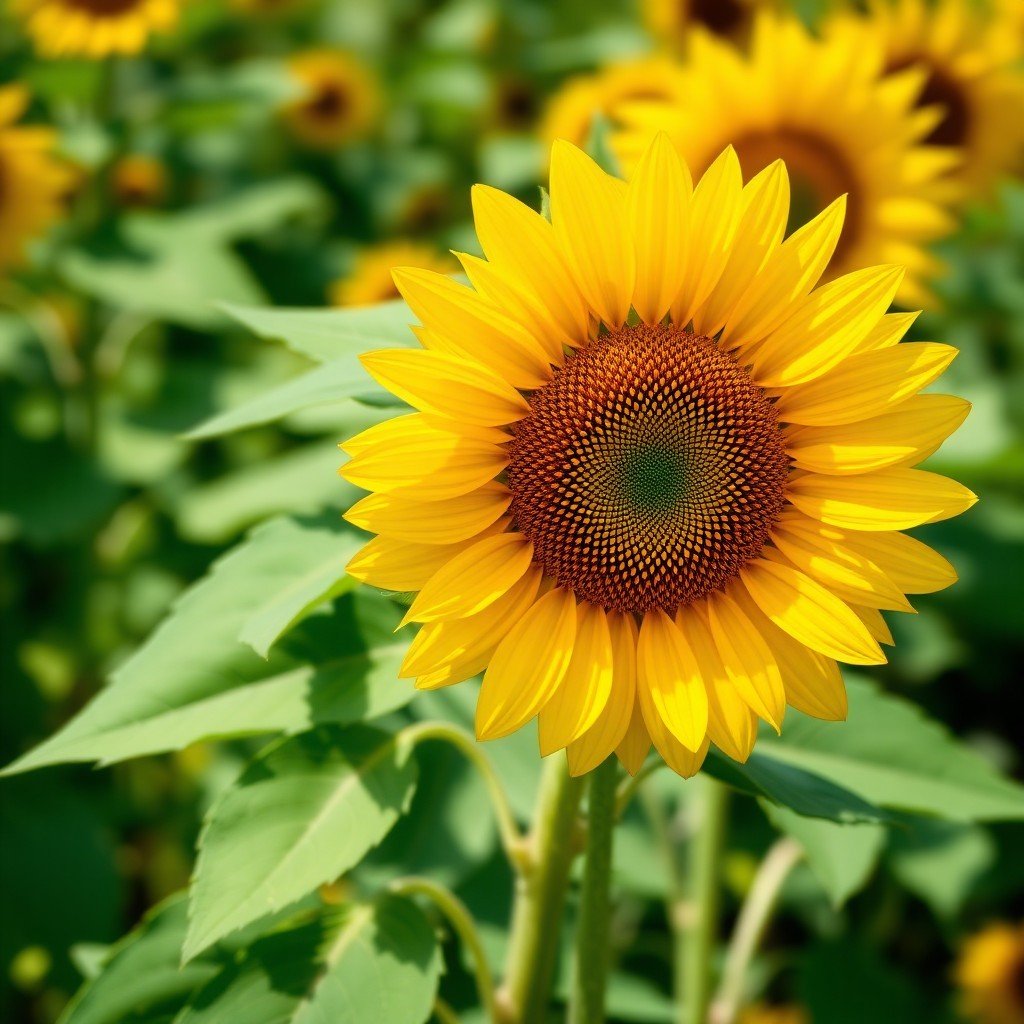
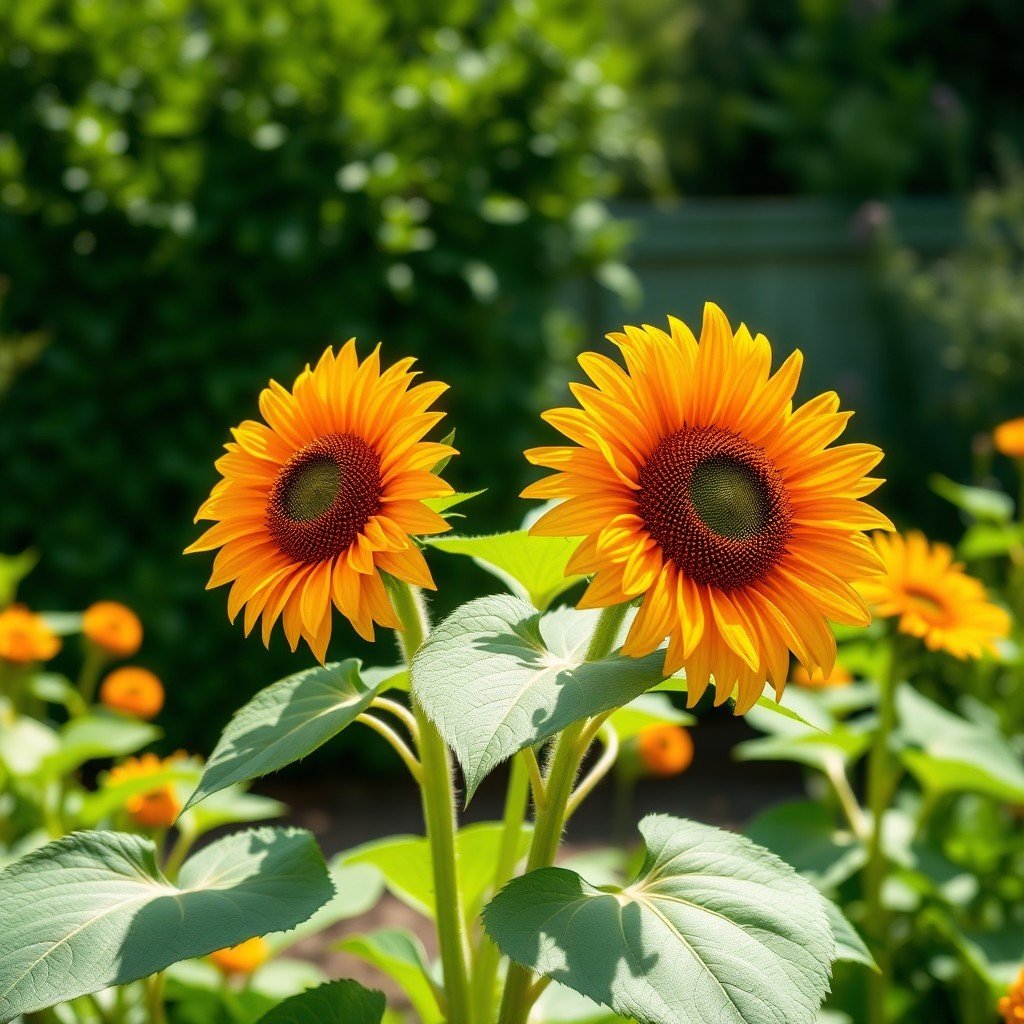
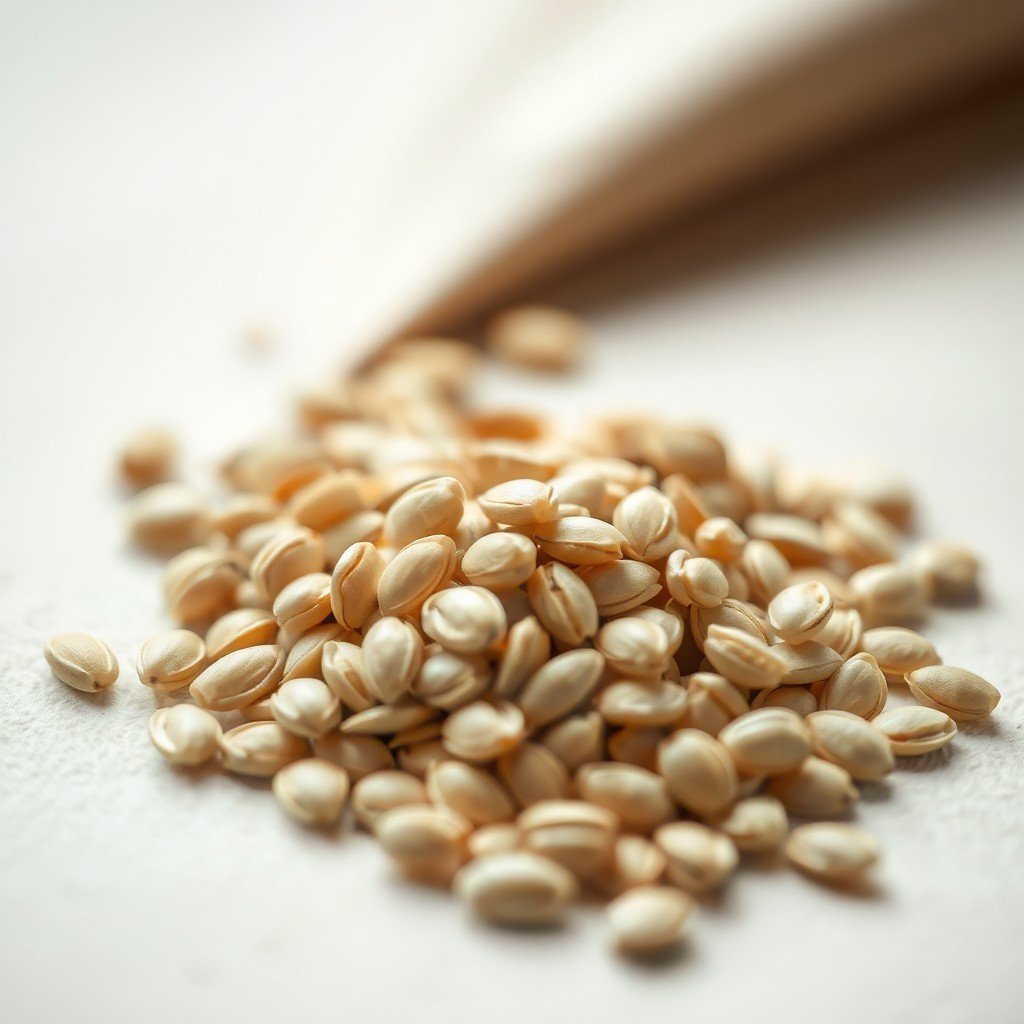
The imported F1 sunflower is a true showpiece of the summer garden, sending up sturdy stems topped with broad, golden-petalled heads that turn to follow the sun. As a hybrid selection it brings reliable vigour and uniform, eye-catching blooms, making it equally at home as a long-lasting cut flower for bright bouquets and as a productive plant for harvesting your own edible seeds. Its warm yellow ray petals and dark central disc give it a classic, cheerful look that sets it apart in any sunny bed or border.
Direct-sow outdoors only after all danger of frost has passed and the soil has warmed to above about 10 C, as these warm-season annuals will not germinate well in cold soil. Sow the seeds roughly 2.5 cm deep, using the shallower end of the range for smaller varieties and going a little deeper in light soil. Choose a spot in full sun that receives at least 6 to 8 hours of direct sunlight per day, in well-drained soil with a mildly acidic to slightly alkaline pH of about 6.0 to 7.5. Space small to medium plants around 15 cm apart, tall types at least 30 cm apart, and allow about 60 cm for giant or 45 to 60 cm for branching kinds, with rows roughly 60 to 90 cm apart. At a soil temperature of about 21 to 24 C, seeds usually sprout within 7 to 10 days. In Egypt, where mild winters mean cold is rarely the obstacle, the best window in the Nile Delta and Lower Egypt is from about mid-February through April, so plants bloom in late spring to early summer before the harshest July and August heat. A second sowing in late summer to early autumn, around late August to September, gives autumn flowering as temperatures ease. In warmer Upper Egypt, shift spring sowing earlier to roughly February or March and avoid mid-summer sowing. Direct-sowing suits Egypt's dry, sunny springs well.
Grow your sunflowers in moderately fertile, humus-rich soil that has been enriched with organic matter such as composted manure. Once the plants have several true leaves, after the second set of leaves appears, apply a slow-release all-purpose fertilizer. Feed only sparingly, because too much nitrogen drives overly vigorous growth, distorted flower shapes and weak stems that break easily; for larger plantings, splitting the nitrogen into half at planting and half later works well. For container or ornamental plants, a potassium-rich tomato-type fertilizer used according to its pack instructions helps support flowering.
Sunflowers need roughly 2.5 cm of water per week, though in Egypt's heat their demand rises well above this temperate baseline, so water consistently and generously. Water regularly and deeply during early growth and around flowering, never letting tall types dry out; once established, water deeply but less often to encourage deep rooting, while container plants may need daily watering in hot weather. Thin seedlings to the recommended spacing as they emerge. Because sunflowers resent root disturbance, start indoors only in biodegradable pots and transplant carefully, removing any container part above the soil line and hardening off indoor-raised plants first. Provide wind support for tall varieties, since the Delta and desert margins can be windy. Watch for birds and deer feeding on seeds and plants, as well as aphids, stink bugs, leaf-footed bugs and caterpillars, while young seedlings are very vulnerable to slugs and snails. Sunflowers have relatively few serious disease problems, but keep an eye out for Alternaria and Phoma leaf spot, rust, white mould, Rhizopus head rot, and downy and powdery mildew. Most varieties reach maturity in about 85 to 95 days from sowing, flowering from mid-summer into autumn; when the back of the seed head turns from green to yellow then brown and the back petals drop, the seeds are mature and ready to harvest.
Your email address will not be published. Required fields are marked *
Please login to write review!
Looks like there are no reviews yet.
LE770.00
LE365.00
LE560.00
LE495.00