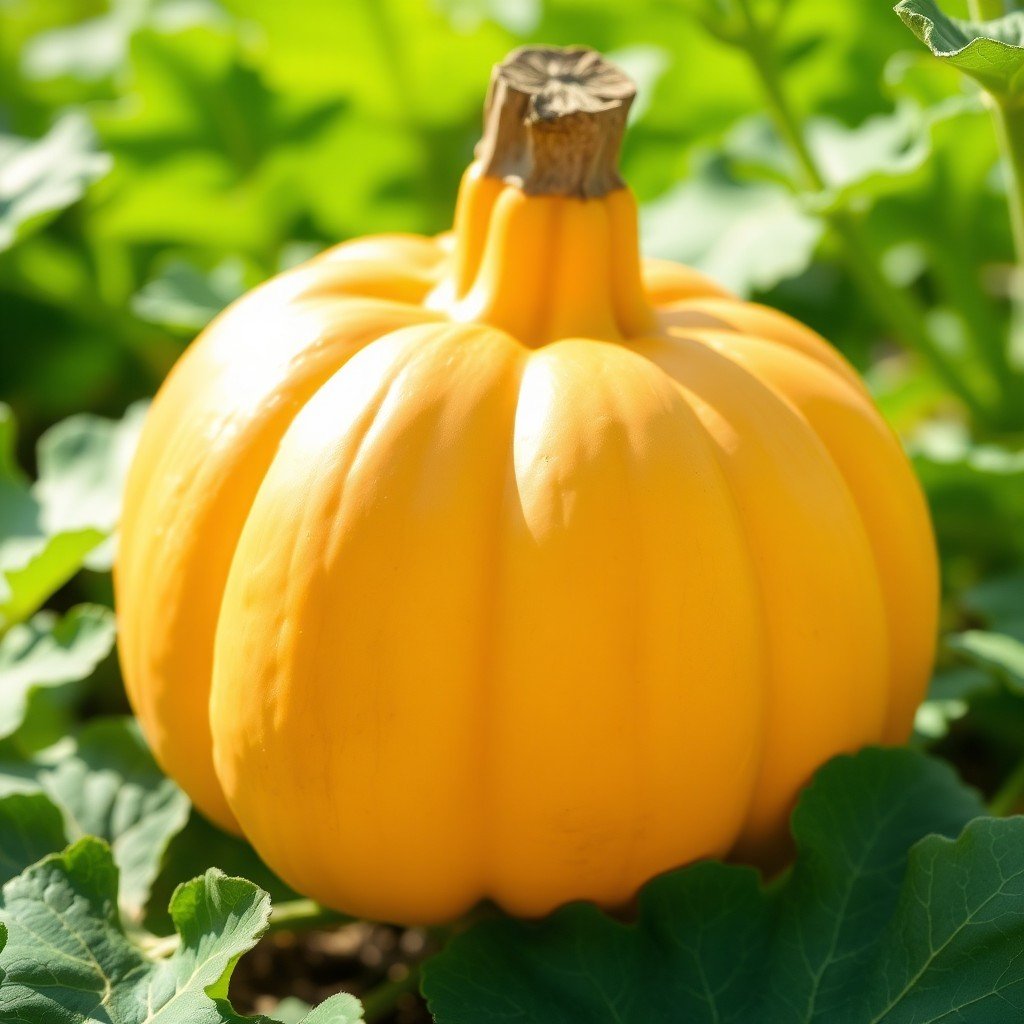
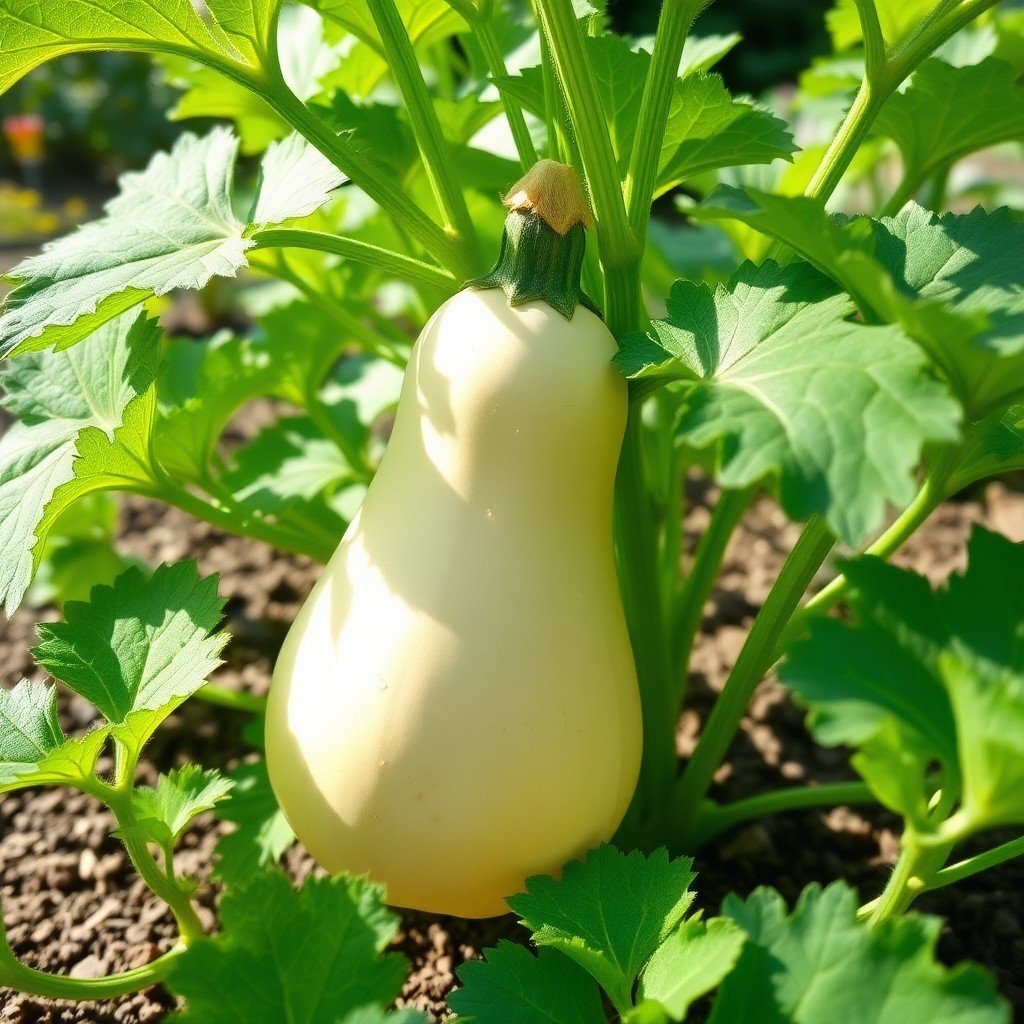
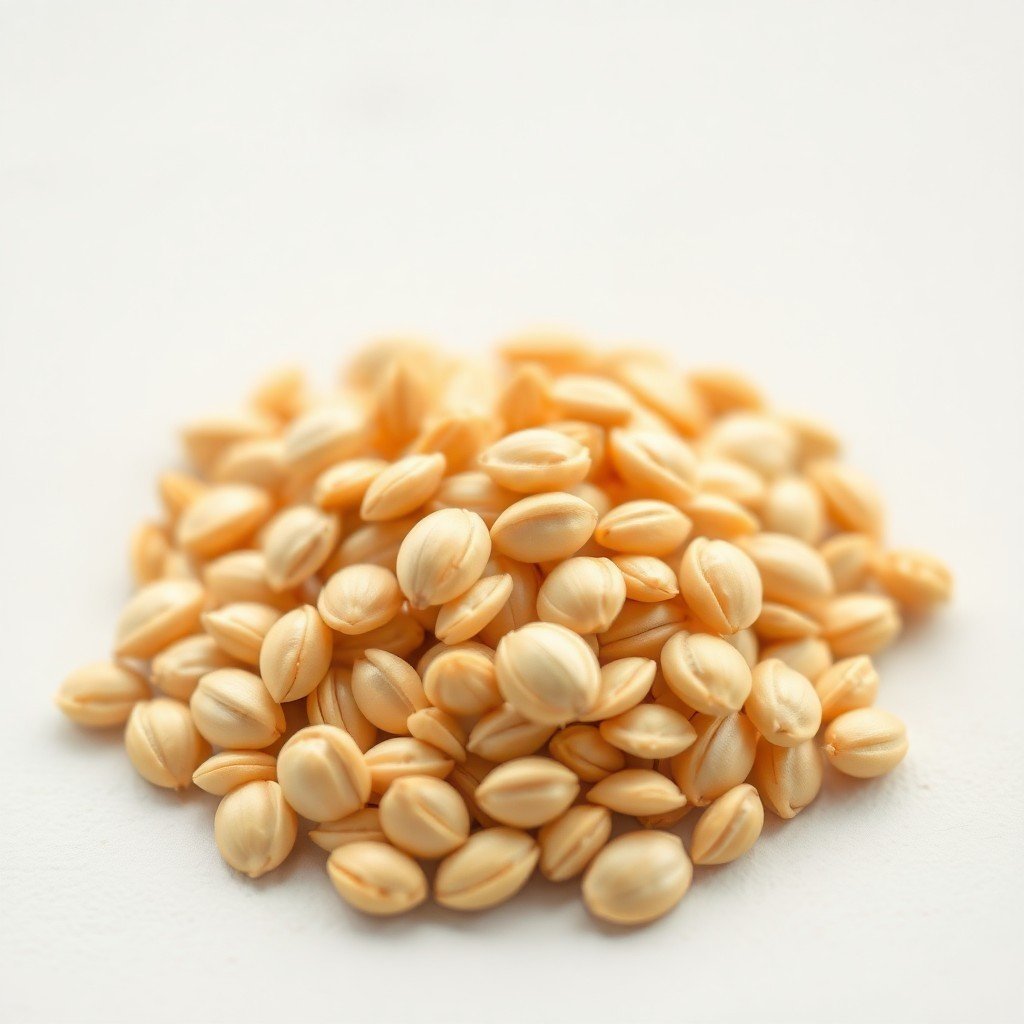
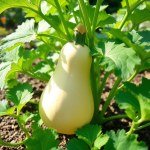
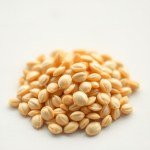
The butternut (Cucurbita moschata) is the most loved of the winter squashes, prized for its smooth tan skin, bell-like shape and dense orange flesh that turns sweet and nutty when roasted. With its creamy texture and small seed cavity, it is a favourite for velvety soups, oven roasting, purees and warm autumn dishes, and the hard rind lets it store for months after harvest. tna W rna offers these seeds for a rewarding warm-season crop in the Egyptian home garden.
Planting
Sow seeds about 2.5 cm deep when planting directly outdoors, or on their side around 1.3 cm deep when starting in pots indoors in late spring. Keep a constant 18-21°C for germination; outdoors, sow only once the soil at 5 cm depth has warmed to at least about 18°C. In the Nile Delta sow from late January to March and again in August-September; in hotter Upper Egypt favour the August-September and late January-February windows to escape extreme heat. Transplant about 4 weeks after sowing, once seedlings have 2-3 true leaves, hardening them off first. Space plants about 60-90 cm apart, with rows roughly 1.5-2 m apart, in full sun with at least 6 hours of direct light.
Fertilizing
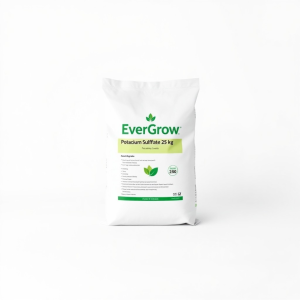
Apply phosphorus and potassium at planting according to a soil test. Once the vines begin to run and spread, side-dress with a nitrogen source such as 27-3-3. For container plants, feed with a high-potassium liquid feed every 10-14 days once the first fruits start to swell.
Care
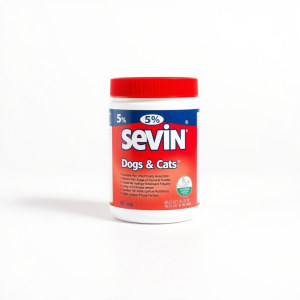
Provide at least 2.5 cm of water per week, using drip or soaker irrigation onto the soil rather than wetting the leaves to limit disease. Watch for squash bugs, vine borers and striped or spotted cucumber beetles, while protecting young seedlings from slugs and snails. Good airflow and steady watering reduce powdery mildew, anthracnose, angular leaf spot, grey mould and cucurbit viruses. Harvest after about 85-120 days, when the rind is deep, solid in colour and too hard to pierce with a fingernail and the stem has dried. Cut the fruit leaving about 5 cm of stem attached, and pick before any hard frost.