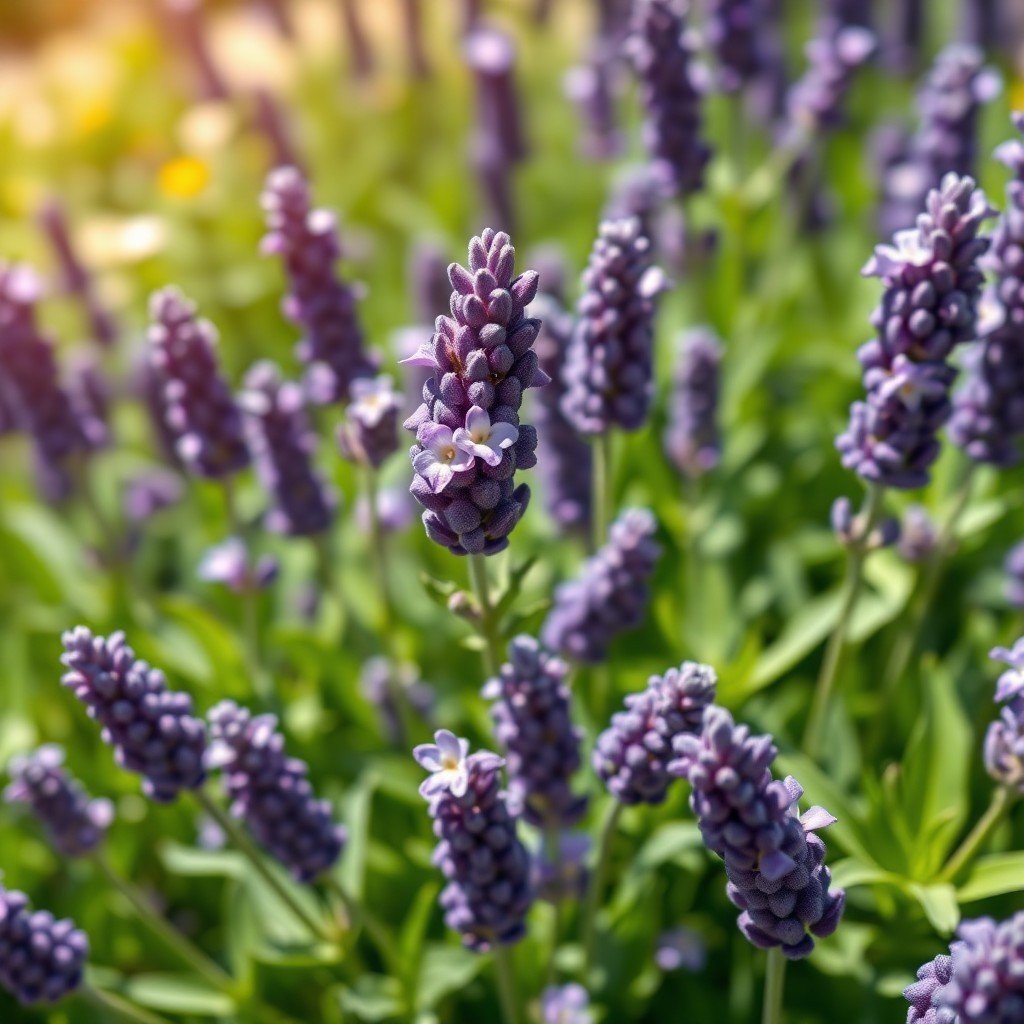
English lavender (Lavandula angustifolia) is the classic, most prized type of lavender, loved for its sweet, clean fragrance and its slender spikes of purple-blue flowers that rise above neat mounds of silvery-green foliage. It is the variety most associated with culinary use, scented sachets, and aromatic borders, and it tolerates alkaline soils well — which makes it an excellent choice for Egyptian gardens. Expect it to bloom in late spring and summer, drawing in bees and pollinators while filling the air with its signature scent.
Planting
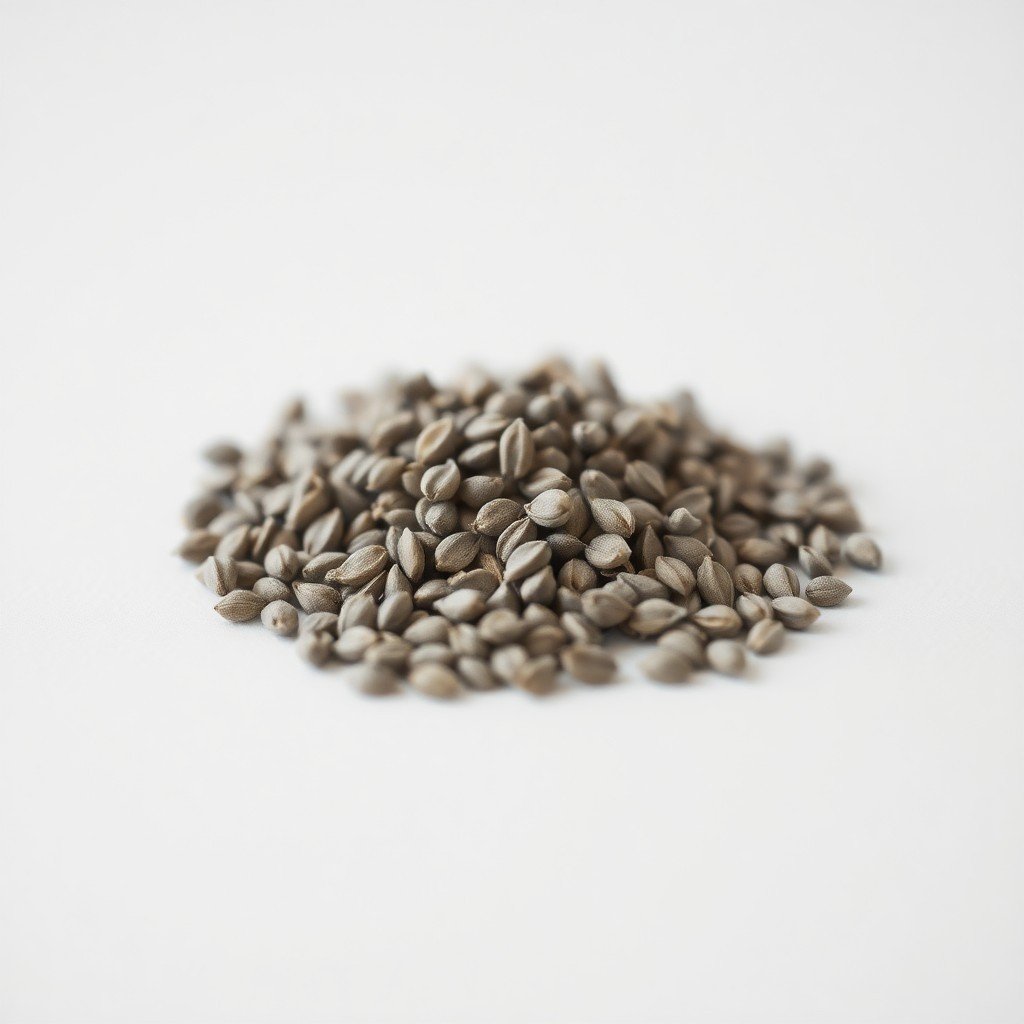
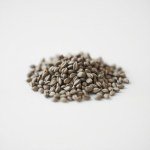
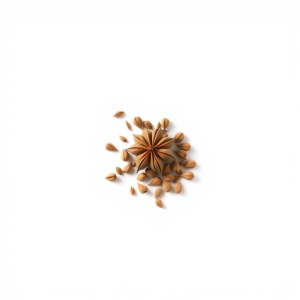
Skip direct seeding — lavender does best when started indoors in trays or flats and then transplanted. Sow your seed about 8 to 10 weeks before the last spring frost, setting it only about 3 mm deep in a soilless seed-starting mix. Because lavender needs a little light to germinate, cover it only very lightly, for example with a thin layer of perlite. Keep the media warm at around 18 to 21 degrees C; a heating mat underneath gives noticeably better results. Be patient, as germination usually begins within 14 to 21 days. Move seedlings into individual pots once they are big enough to handle, then plant them out in spring after the last frost. Set them shallowly so the soil line sits just above the top roots, and space plants about 30 to 60 cm apart. Lavender demands full sun and will not thrive in shade. Give it light, well-drained, gravelly soil — it actually prefers poor, dry to moderately fertile, neutral-to-alkaline ground (pH roughly 6.5 to 8.3). Avoid heavy clay and waterlogged spots; on heavy soil, plant on a mound or raised bed 20 to 30 cm high.
Fertilizing
Lavender needs very little feeding — it genuinely prefers low-nutrient soil. A single application of slow-release fertilizer (about one tablespoon per plant) is enough for the whole season, or you can simply work about 2.5 cm of compost in under each plant. When grown in the ground, lavender generally needs no feeding at all, so resist the urge to over-fertilize.
Care
After transplanting, water each plant with about 3.8 L per week until it is established, and keep watering newly planted lavender regularly through its first summer. Once established, lavender is very drought tolerant and only needs water during prolonged dry spells — avoid overwatering. Mature plants can get by on roughly 1.9 L every two weeks until flower buds form, then once or twice weekly during flowering. Prune annually in late summer after flowering: remove the spent flower stalks plus about 2.5 cm of leafy growth, but never cut back into the old bare woody stems, since lavender does not regenerate well from old wood. The main disease to watch for is Phytophthora root rot, caused by overwatering and wet or heavy soils, so always ensure sharp drainage and avoid waterlogging. Pests such as rosemary beetle, sage leafhopper, and cuckoo spit (spittlebug) usually cause only cosmetic damage; grasshoppers can reduce yields and deer may browse the plants.
Growing in Egypt
Lavender is a Mediterranean plant that demands full sun, sharp drainage, and neutral-to-alkaline soil, and it dislikes wet or heavy soil and prolonged humidity. This makes Egypt's mild, dry winters (about November to February) the safest establishment window, while the hot, humid Nile Delta summer is the main risk for root rot. Start seed indoors or in trays in the cool season (about October to December) at 18 to 21 degrees C; because germination is slow and uneven, sowing then gives seedlings time before peak heat. Transplant young plants out in the mild late-winter to early-spring window (about February to March), after the coldest nights pass and well before summer, so roots establish in moderate temperatures, with bloom expected in late spring or early summer. In the Nile Delta, with its cooler, more humid air and heavier clay soils, plant on raised mounds or ridges 20 to 30 cm high or in raised beds with added grit, use wide spacing (45 to 60 cm) for airflow, and water sparingly at the base by drip to avoid root rot. In warmer Upper Egypt the drier air suits lavender well, but the intense summer sun means transplants should be rooted in before summer, with deep but infrequent irrigation during establishment. Avoid summer sowing or transplanting anywhere in Egypt, and choose an alkaline-tolerant English lavender (Lavandula angustifolia) type given Egypt's typically alkaline soils.