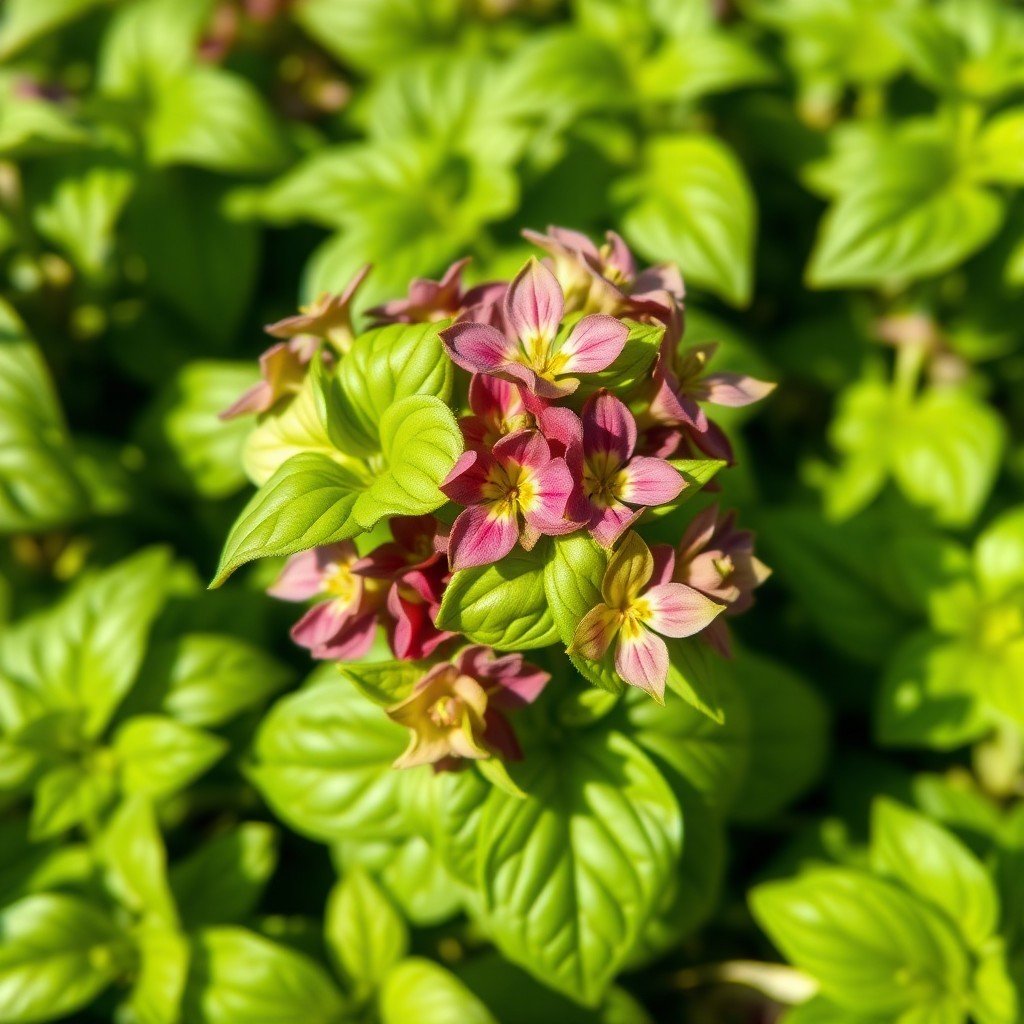
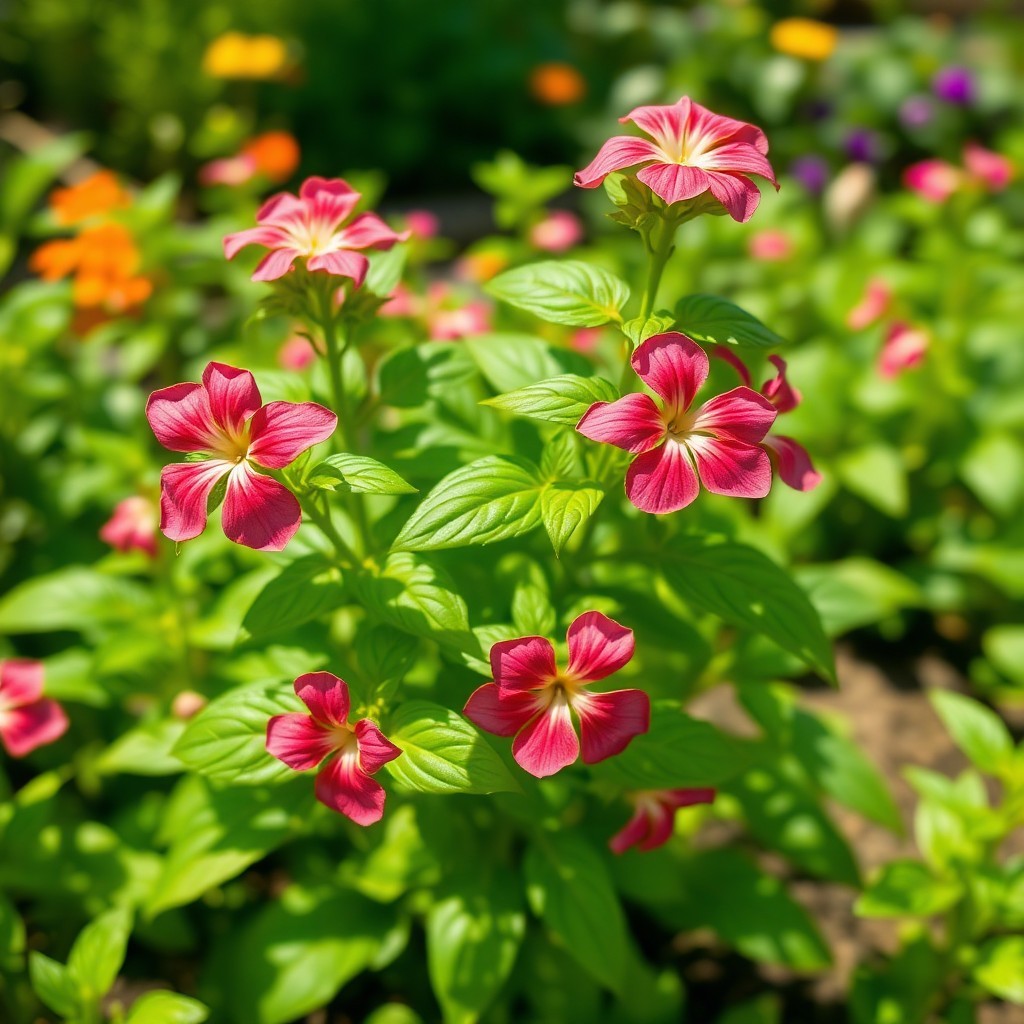
Balcony Star is a compact, bushy sweet basil bred to thrive in pots and tight balcony corners. It keeps a tidy, rounded shape while producing flushes of small to medium, glossy deep-green leaves with the classic cupped sweet-basil form. The flavour is warm and rounded — a sweet clove-and-anise note that makes it the go-to basil for fresh pesto, Caprese salads, tomato sauces and a last-minute scattering over pasta or pizza. Its neat habit also makes it a handsome ornamental herb to keep within arm's reach of the kitchen.
Planting
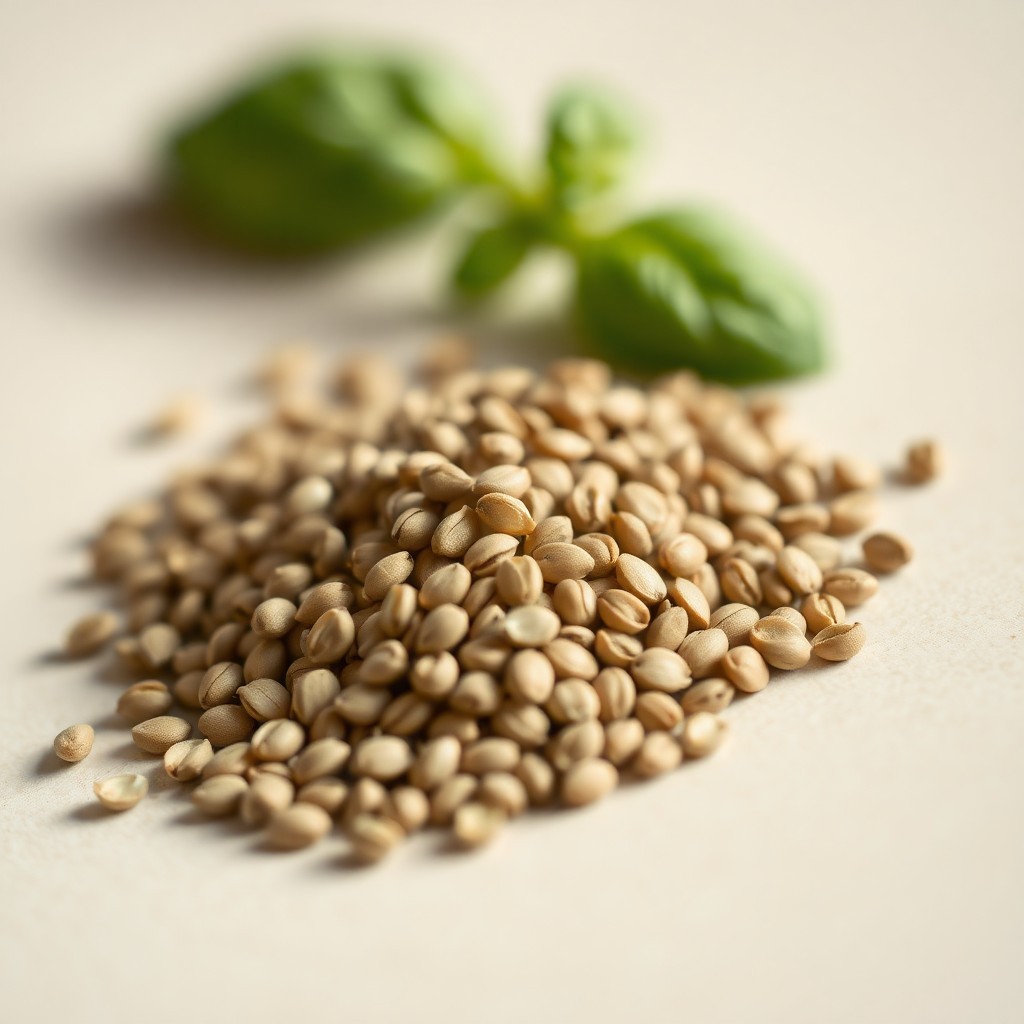
Basil is a warm-season annual that hates frost, so sow only once the cold has truly passed and the soil has warmed. Start seed indoors about 6 to 8 weeks before the last spring frost, or sow and transplant outdoors after all frost danger is gone and night-time temperatures stay reliably above 10 C. Cover the seed lightly, around 0.6 cm deep. Germination is best at a media temperature of about 18 to 21 C, with seedlings usually emerging in roughly 5 to 10 days. Give plants full sun — at least 6 to 8 hours of bright light a day — in a warm, sheltered spot. Move seedlings to their final position once they have developed 2 to 3 pairs of true leaves; in pots keep them on the closer side, while full-size plants in the ground sit about 15 to 30 cm apart.
Fertilizing
Basil grown in good, rich soil often needs no extra feeding at all. For container plants, which is most balcony growing, give a diluted balanced liquid feed every 3 to 6 weeks and steer clear of high-potassium feeds. If you garden in the ground, a low-nitrogen starter fertiliser worked in before planting gets the crop off to a steady start. Should growth slow about two months after planting, a light nitrogen side-dressing such as calcium nitrate will revive it. The aim is gentle, balanced nutrition that keeps leaves coming without forcing soft, weak growth.
Care
Basil is not drought tolerant and wants a fairly constant supply of soil moisture, so keep the soil evenly moist — water deeply roughly every 7 to 10 days in the ground, and more often for pots, which dry out quickly. Water at the base in the morning and try not to wet the leaves, as that helps fend off disease. Pinch out the growing tips at least once a week to keep the plant bushy and productive, and the leaves taste best when harvested just before flowering, so nip off flower buds as they form. Watch for downy mildew, aphids, spider mites, whiteflies, slugs and snails; base watering and good airflow are your best defences. For a bigger pick, cut the plant back to about 10 to 15 cm above the soil and it will push out fresh growth. In Egypt the main thing to dodge is cold nights below about 10 C rather than the summer heat: in the Nile Delta and Lower Egypt, start seed under protection in late January to February and transplant out in March to April once nights are reliably mild, for a long cutting season running through to October. In the warmer winters of Upper Egypt you can transplant a few weeks earlier, from late February into March, and a second autumn crop is feasible — just give steady moisture and some afternoon relief through the most intense summer weeks. Avoid open-field sowing in the cold of mid-winter.