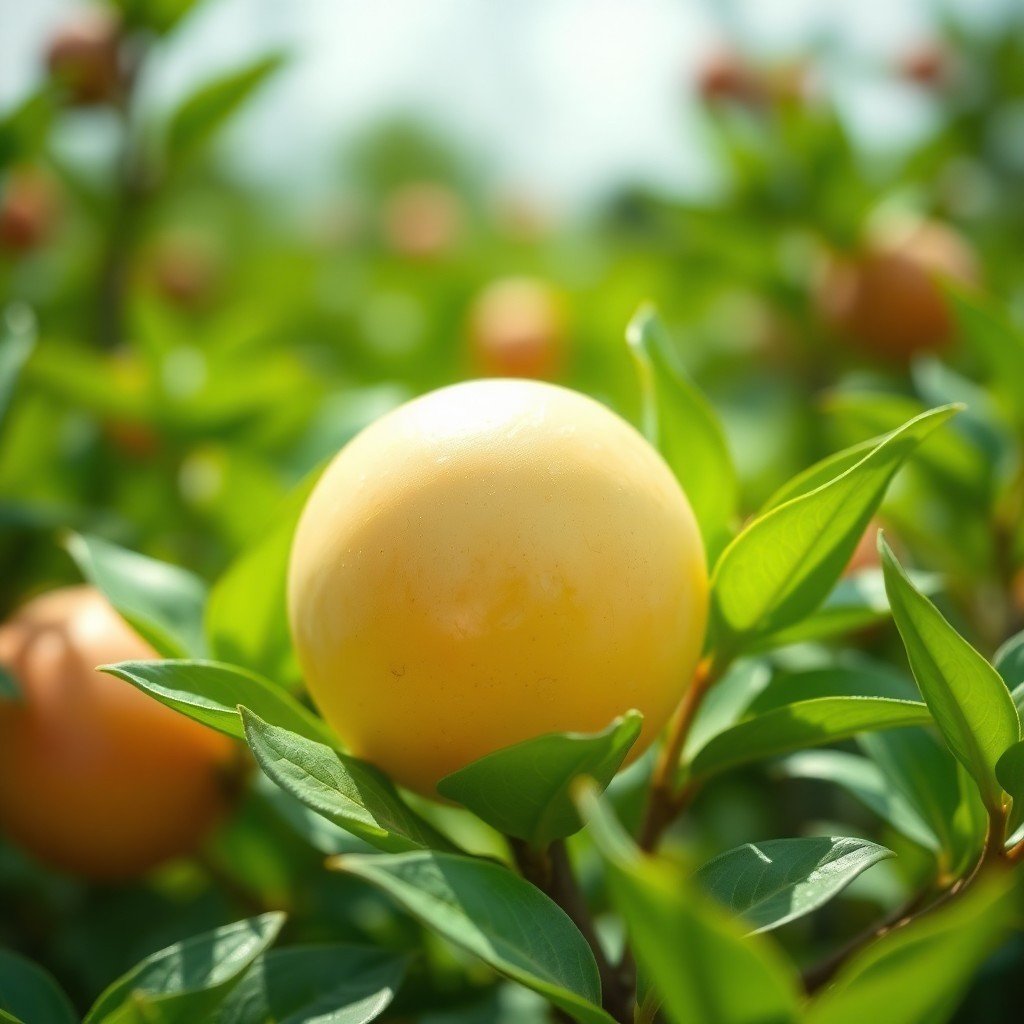
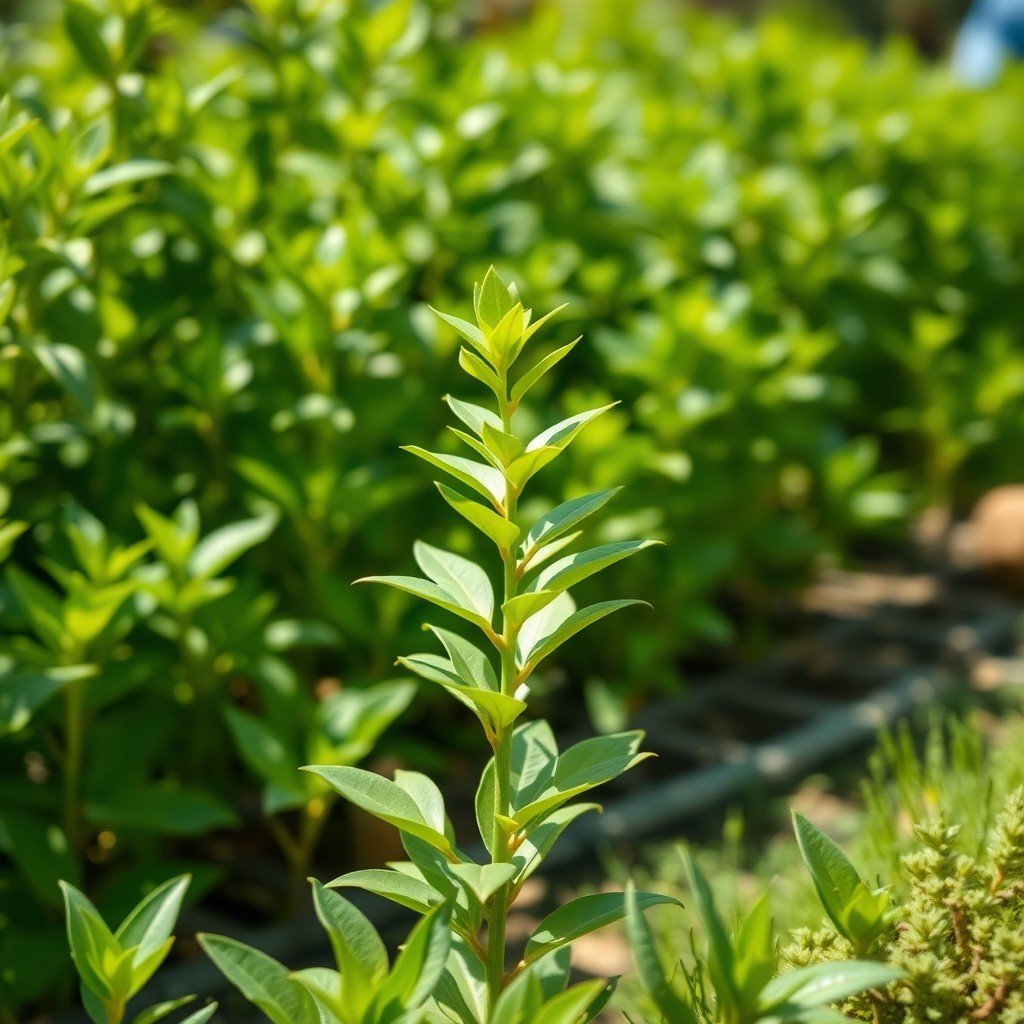
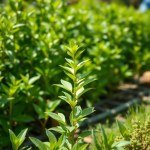
This is the elegant white-flowered form of the Butterfly Pea (Clitoria ternatea), a refined twist on the classic blue. Instead of deep indigo, it carries pure ivory-white, pea-like blooms up to about 5 cm across with soft yellow centers, borne singly or in pairs along the climbing stems. The petals brew into a clean, pale herbal "white tea" that is naturally caffeine-free, with a gentle, mild flavour that takes beautifully to a squeeze of lemon. Beyond the cup, it is a fast, graceful ornamental climber that drapes a trellis, fence or arch in fresh greenery and luminous white flowers all season long.
Planting
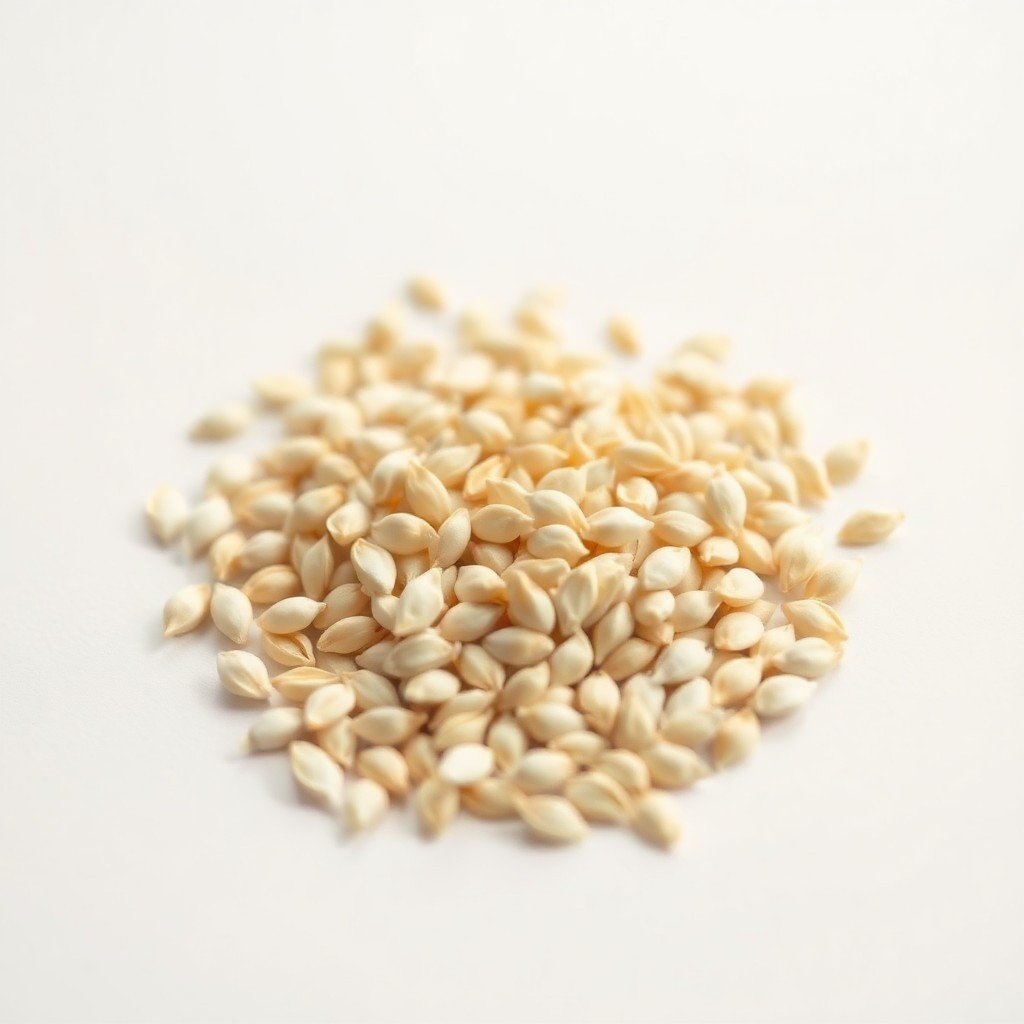
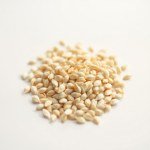
Sow in early spring once the danger of hard frost has passed, treating the plant as a warm-season annual. Because the seeds are hard-coated, gently scarify the seed coat with a knife or sandpaper and then soak in warm water for 12 to 24 hours before sowing to speed and improve germination. Set each seed about 2.5 cm deep (forage practice ranges from 1.5 to 4 cm, lightly covered) into warm soil of roughly 18 to 27 C; germination is best near these temperatures and stalls below about 15.5 C. Space seeds about 7.5 cm apart, then thin seedlings to 15 to 30 cm apart (UF/IFAS suggests direct-sowing 15 to 20 cm apart). You can also start seeds indoors 6 to 8 weeks before the last frost and transplant out once frost has passed. Seeds typically sprout in about 10 to 21 days. Give the plants full sun, 6 or more hours of direct light daily, ideally around 6 to 10 hours, with light shade tolerated.
Fertilizing
As a nitrogen-fixing legume, this vine fixes atmospheric nitrogen through root-nodule rhizobia, so it needs little to no nitrogen fertilizer and in fact works as a green-manure crop that improves soil fertility. On low-fertility desert or sandy soils, phosphorus is the meaningful response rather than nitrogen: a Toshka field trial in Upper Egypt applied phosphorus at 0, 30 and 60 kg P2O5 per feddan and found it significantly improved forage growth and yield. Where the soil lacks compatible bacteria, inoculate the seed with a broad-spectrum cowpea-group rhizobium strain (such as Tropical Group M or CB 756) to support establishment.
Care
This is a rapidly growing climbing vine that can reach up to about 4.5 m, so give it a trellis, fence or other support to climb. It prefers consistent moisture in well-drained soil, with moderate watering once established; although it is notably drought-tolerant (growing on as little as 400 to 500 mm of rainfall and enduring a 5 to 6 month dry season), it performs best with steady watering, and you should avoid waterlogging and overwatering, which cause root rot. It accepts a wide range of soils, from loam to heavy clay to sand, at a pH of roughly 5.5 to 8.9, but always wants good drainage and benefits from soil rich in organic matter. It thrives at about 19 to 28 C and is frost-sensitive, treated as an annual outside frost-free zones. Expect blooms across spring, summer and fall; ground cover forms within 30 to 40 days of sowing, with flowering beginning within a few months of a warm-season planting. Watch for whiteflies and spider mites, and stay alert to anthracnose and bacterial soft rot.