

SKU: TNW-BALC-287
Categories: Seeds & Plants
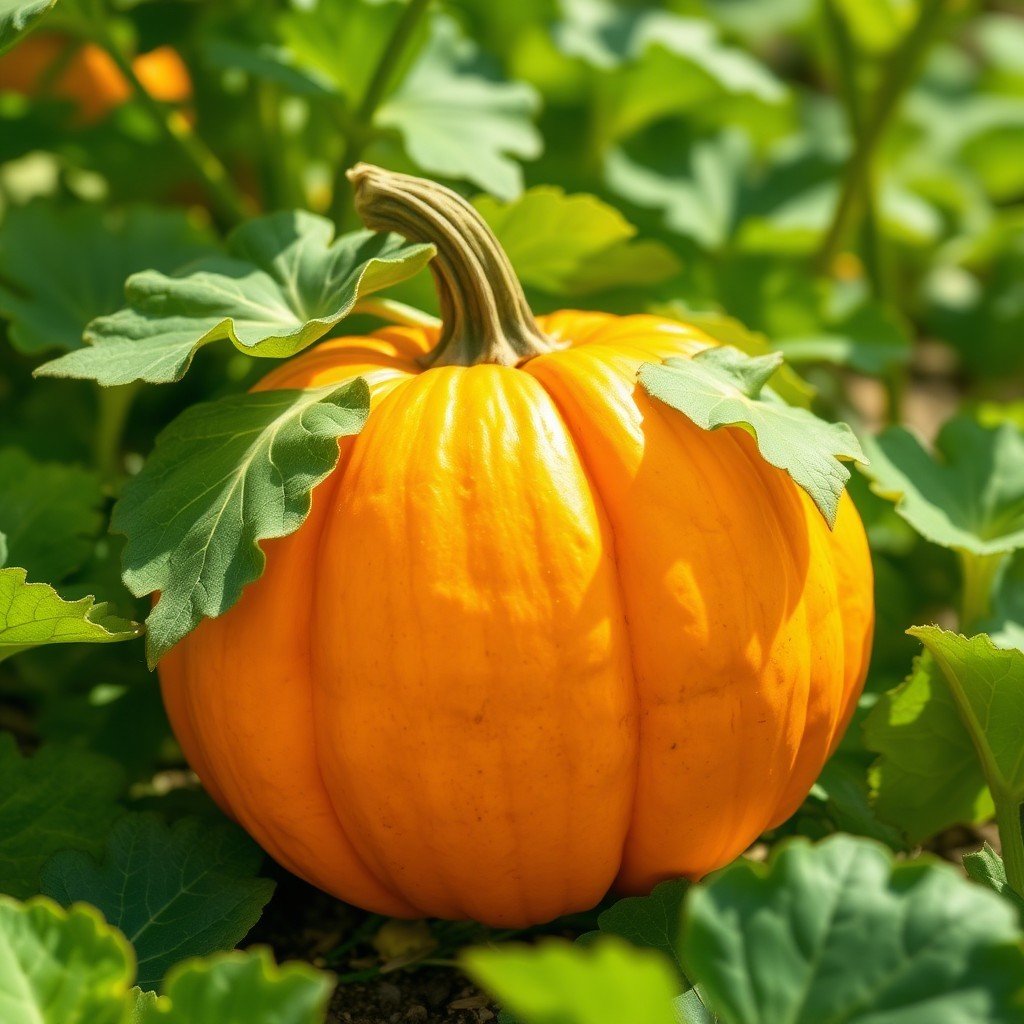
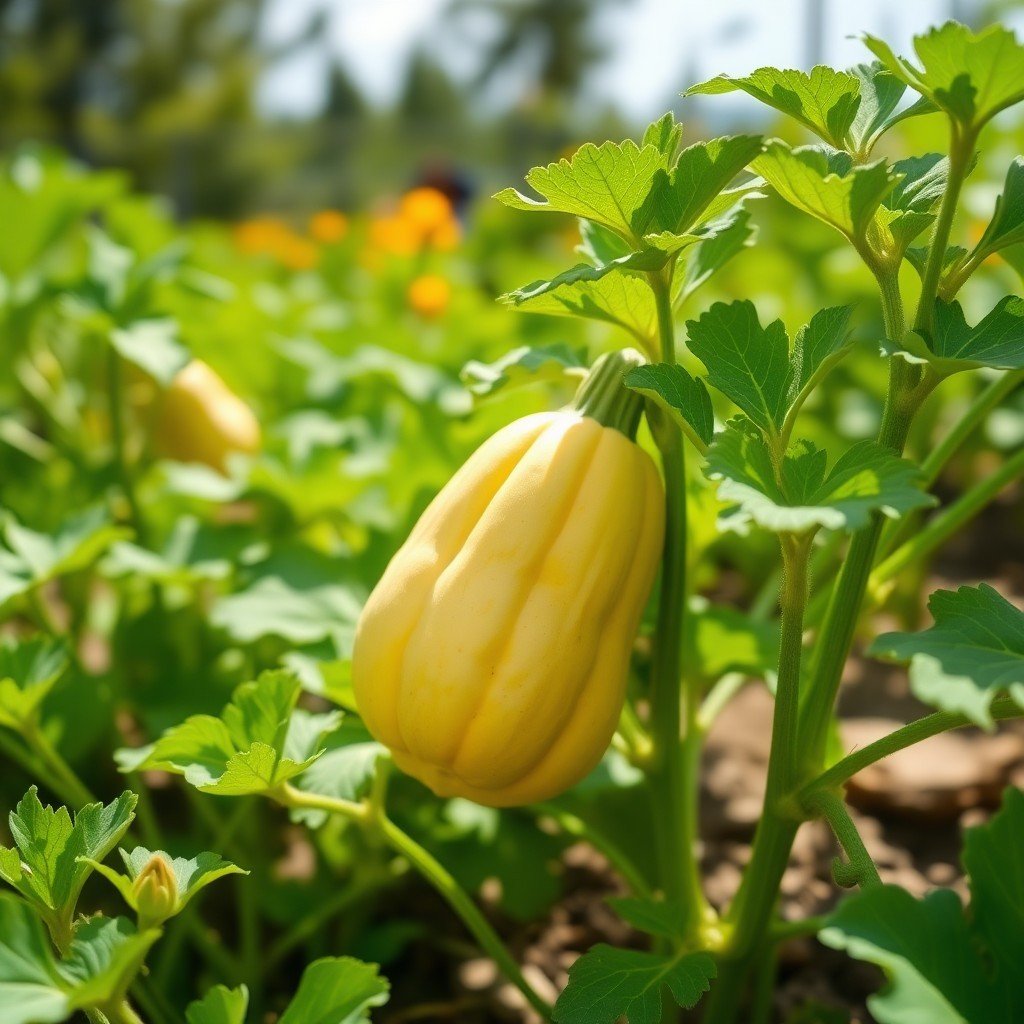
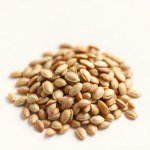
Pluto Pumpkin F1 is a premium hybrid winter squash (Cucurbita moschata), the same family Egyptian seed shops sell as "qar' asali". Its smooth-rinded fruits ripen to a deep, solid colour over dense orange flesh that is sweet with a gentle nutty aroma. That firm, low-moisture flesh roasts, purees and bakes wonderfully, and the hardened rind lets fruit store well through the cool, dry months.
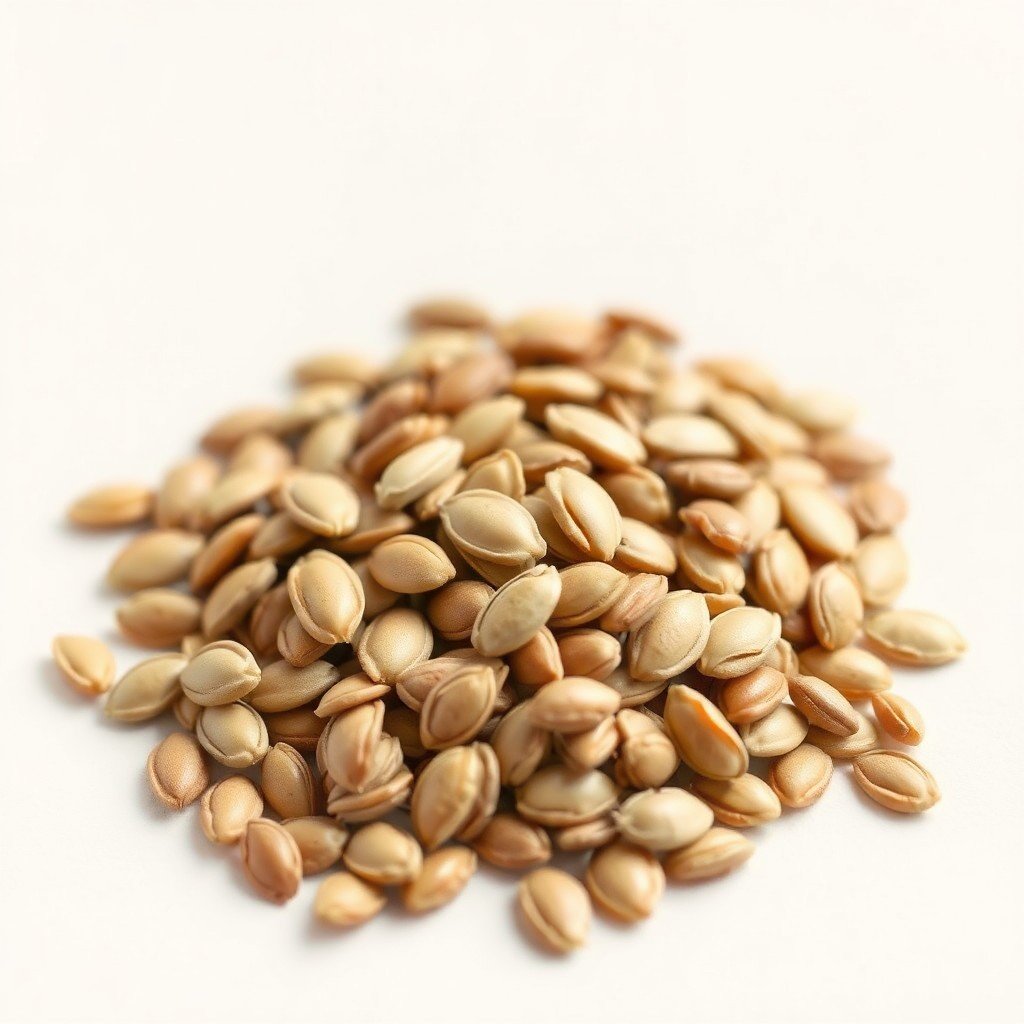
Sow seeds about 2.5 cm deep when direct-sowing outdoors, or start indoors on their side around 1.3 cm deep in pots. Keep a steady 18-21°C for germination. Outdoors, wait until the soil at 5 cm depth has warmed to at least about 18°C. Indoor seedlings can move out roughly 4 weeks later, once they have 2-3 true leaves and have been hardened off after the last frost. Space plants about 60-90 cm apart, with rows around 1.5-2 m apart, in full sun with at least 6 hours of direct light.
Apply phosphorus and potassium at planting according to a soil test. Once the vines begin to run, side-dress with a nitrogen source such as 27-3-3. For container plants, feed with a high-potassium liquid feed every 10-14 days once the first fruits start to swell.
Give at least about 2.5 cm of water weekly, using drip or soaker irrigation aimed at the soil rather than the leaves to limit disease. Watch for squash bugs, vine borers and cucumber beetles, and protect young seedlings from slugs and snails. Good airflow and steady watering reduce powdery mildew, anthracnose and grey mould. Harvest after 85-120 days when the rind is deep-coloured and too hard to dent with a fingernail and the stem has dried; cut leaving about 5 cm of stem, before any hard frost. In the Nile Delta, sow late January to March or August to September; in hotter Upper Egypt, favour August-September or late January-February sowings, avoiding May-July field sowing.
Your email address will not be published. Required fields are marked *
Please login to write review!
Looks like there are no reviews yet.
LE770.00
LE365.00
LE560.00
LE495.00