SKU: TNW-SHAH-427
Categories: Seeds & Plants
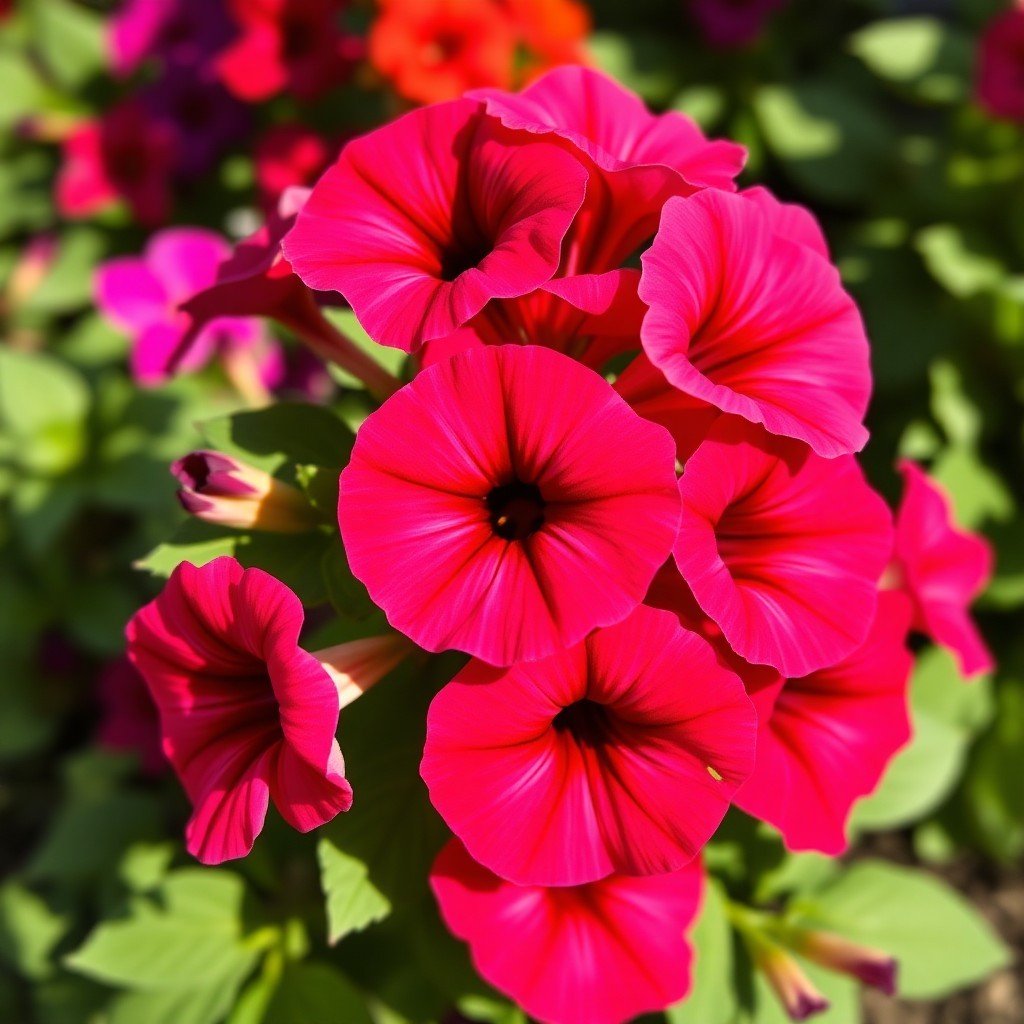
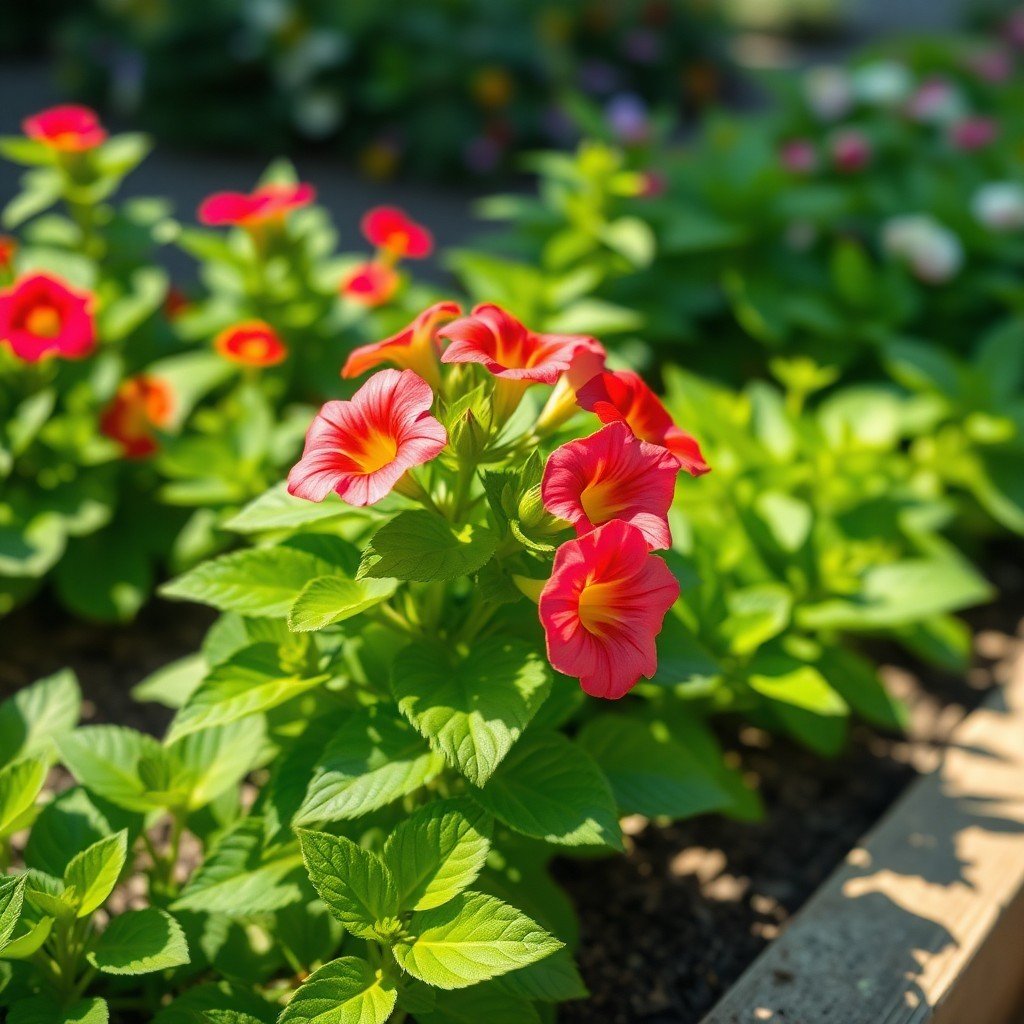
Petunia (Petunia × hybrida) is one of the most rewarding bedding annuals you can grow, valued for its non-stop display of bright, trumpet-shaped blooms in a wide sweep of colours. It is purely ornamental, with no edible harvest, but earns its place by flowering relentlessly all season. Grandiflora and multiflora types make bold beds and borders, milliflora forms suit edging and small pots, while spreading types cascade beautifully over containers and hanging baskets. In Egypt's mild climate it shines as a cool-season flower, carrying colour through winter and spring.
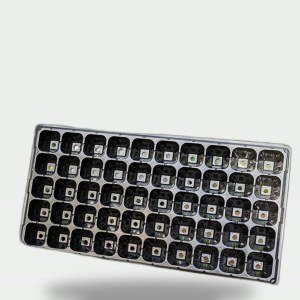
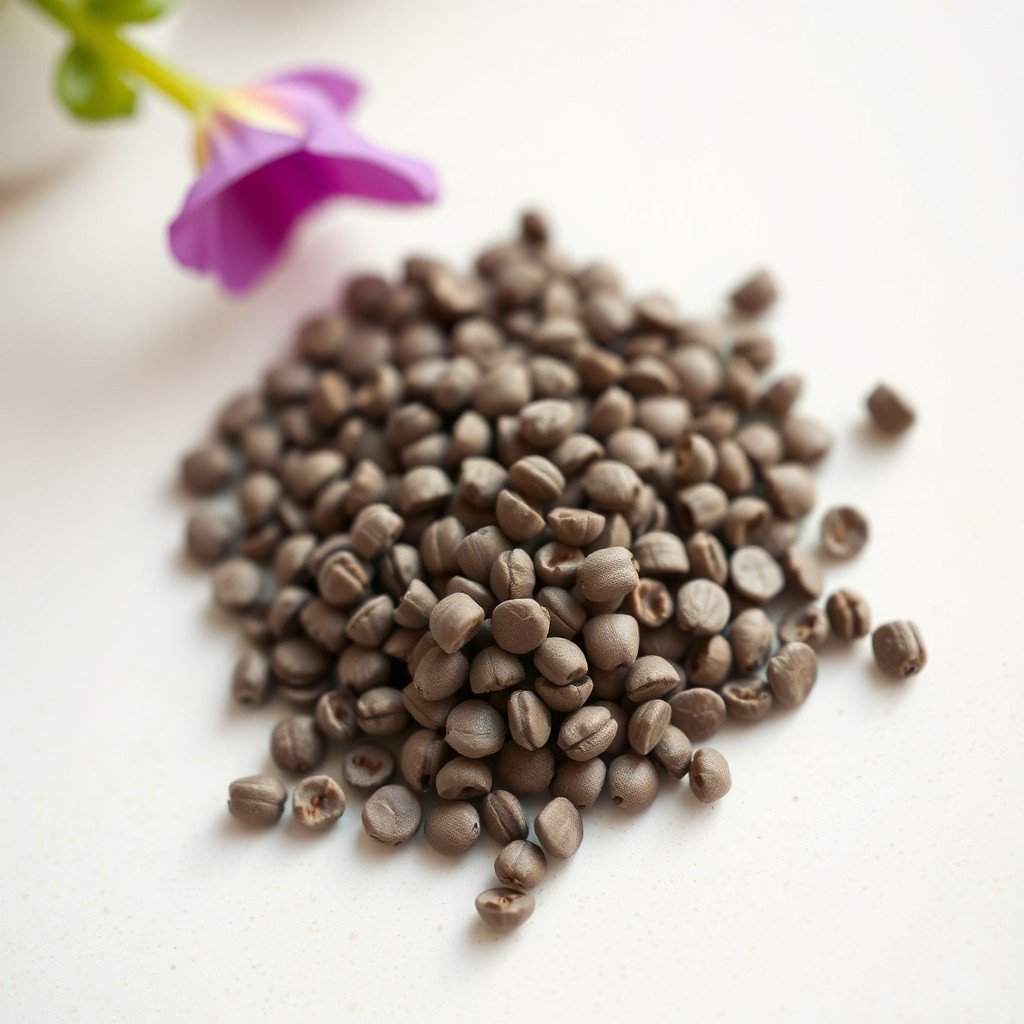
Start seed in trays indoors, about 6-8 weeks before transplanting for larger cells (4-6 weeks for small plug cells); direct sowing is not advised. Petunia needs light to germinate, so press seed onto the surface and do not cover it, beyond a very thin dusting of vermiculite to hold it in place. Germination takes roughly 6-10 days at 22-25°C, then grow seedlings cooler, around 16-24°C. In Egypt, sow in autumn (from September) and transplant out in October-November so plants bloom through the mild winter and spring. Prick out once the first true leaves appear, harden off and plant out when soil stays above about 15°C and frost has passed. Space grandiflora/multiflora ~30 cm apart, milliflora 10-15 cm, and spreading types at least 45 cm; use about 3 plants per 25-30 cm pot. Petunias need full sun, at least 5-6 hours of direct light daily.
Petunias are heavy feeders. At planting, work a balanced granular fertilizer (8-8-8, 10-10-10 or 12-12-12) into the soil at about 1 kg per 9-10 m². After that, feed with a liquid fertilizer for flowering plants every 2-3 weeks; container plants every 2 weeks and spreading types weekly. A controlled-release product at planting is a good alternative, otherwise feed roughly monthly.
Water in-ground plants thoroughly once a week, soaking the soil to about 15-20 cm; avoid frequent shallow watering. Containers and spreading types dry faster and may need watering daily. Deadhead spent blooms to keep flowering at its peak. Watch for aphids, spider mites, whiteflies and caterpillars, treating with insecticidal soap or neem oil. Plants are otherwise fairly disease-free, but guard against root rot, Botrytis grey mould and petal blight in wet or humid spells, especially in the Delta, by watering at the base and keeping foliage dry.
Your email address will not be published. Required fields are marked *
Please login to write review!
Looks like there are no reviews yet.
LE770.00
LE365.00
LE560.00
LE495.00