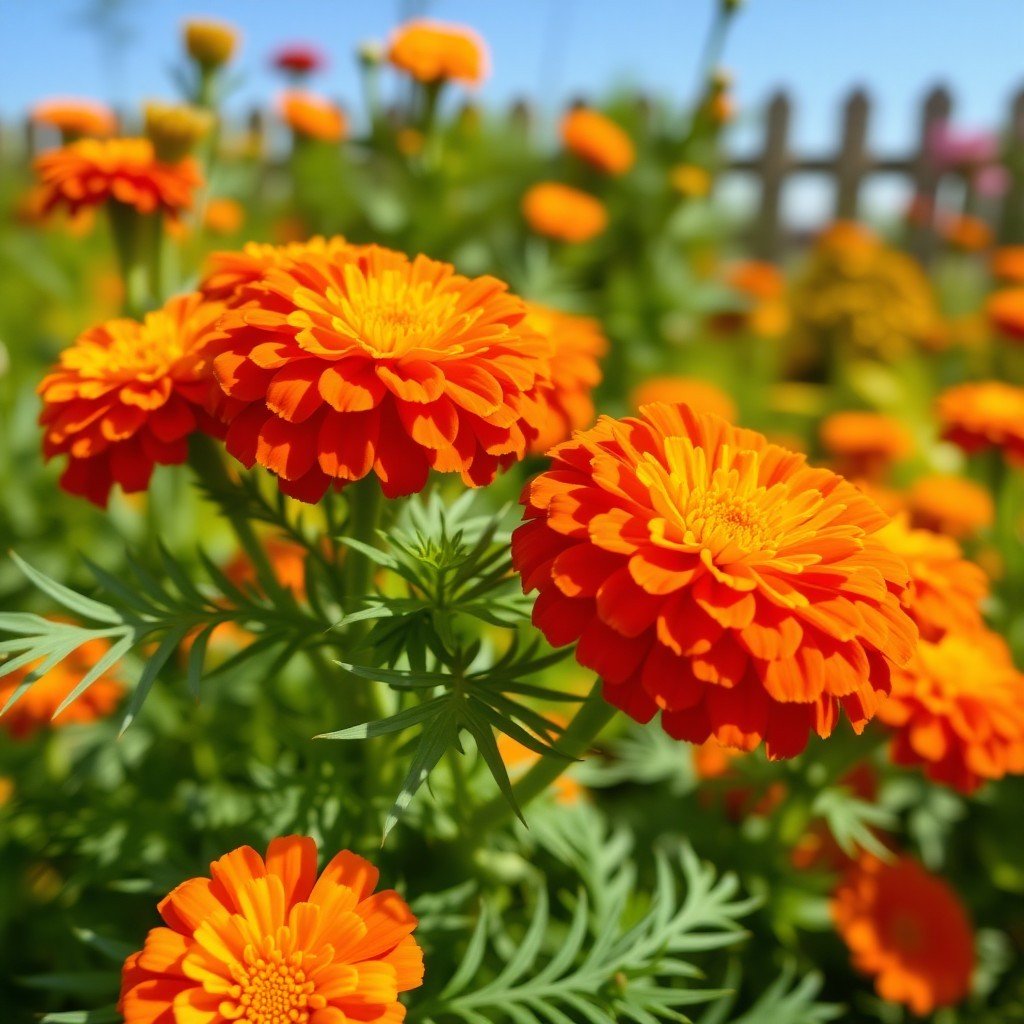
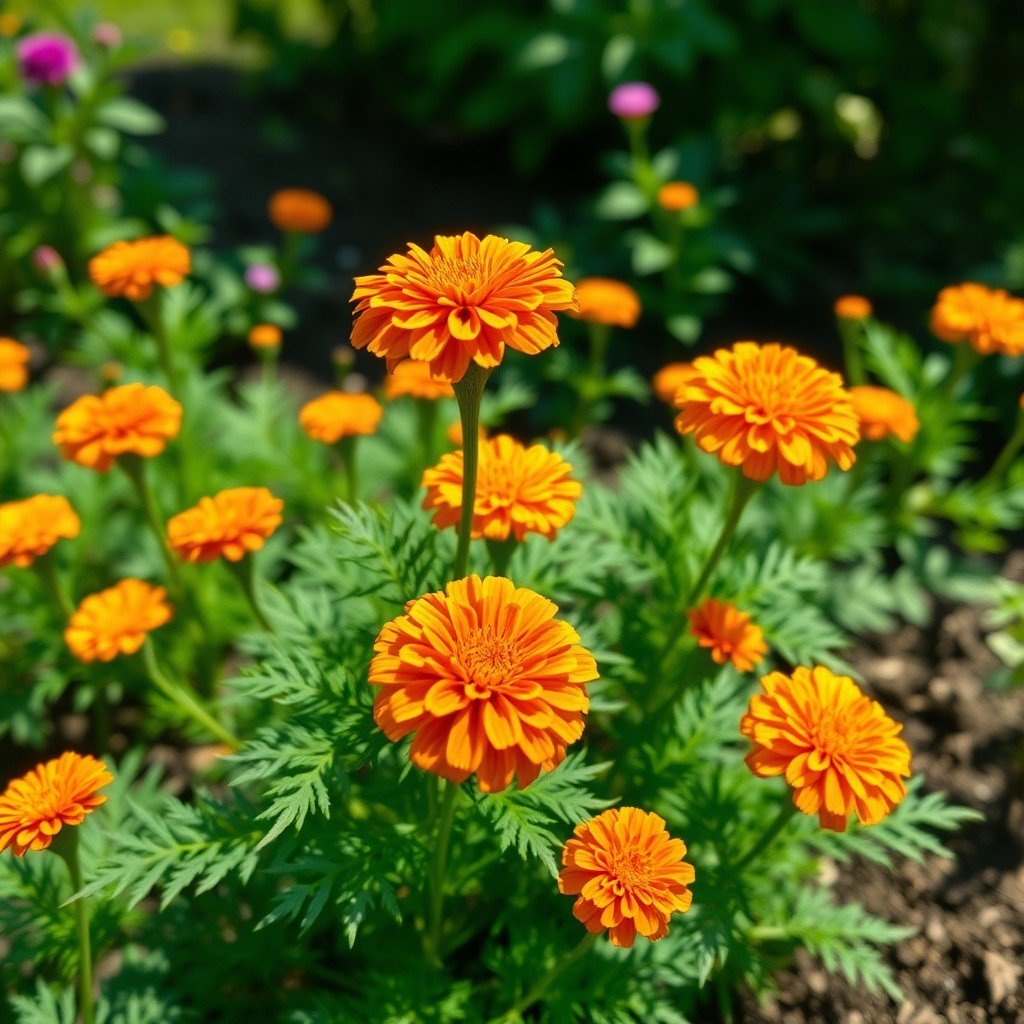
Tagetes erecta, the African or tall marigold, is the showpiece of the marigold family. It carries large, densely double pompom blooms in warm golden-orange and clear yellow on tall, upright stems that can reach about 1 to 1.5 m, making it a dramatic anchor for the back of a border or a generous cut flower. Unlike the smaller, faster French and Signet types, this African type matures more slowly and needs an early, immediate start to the season, but it rewards the wait with the biggest, fullest flowers and a long display that carries from summer well into autumn.
Planting
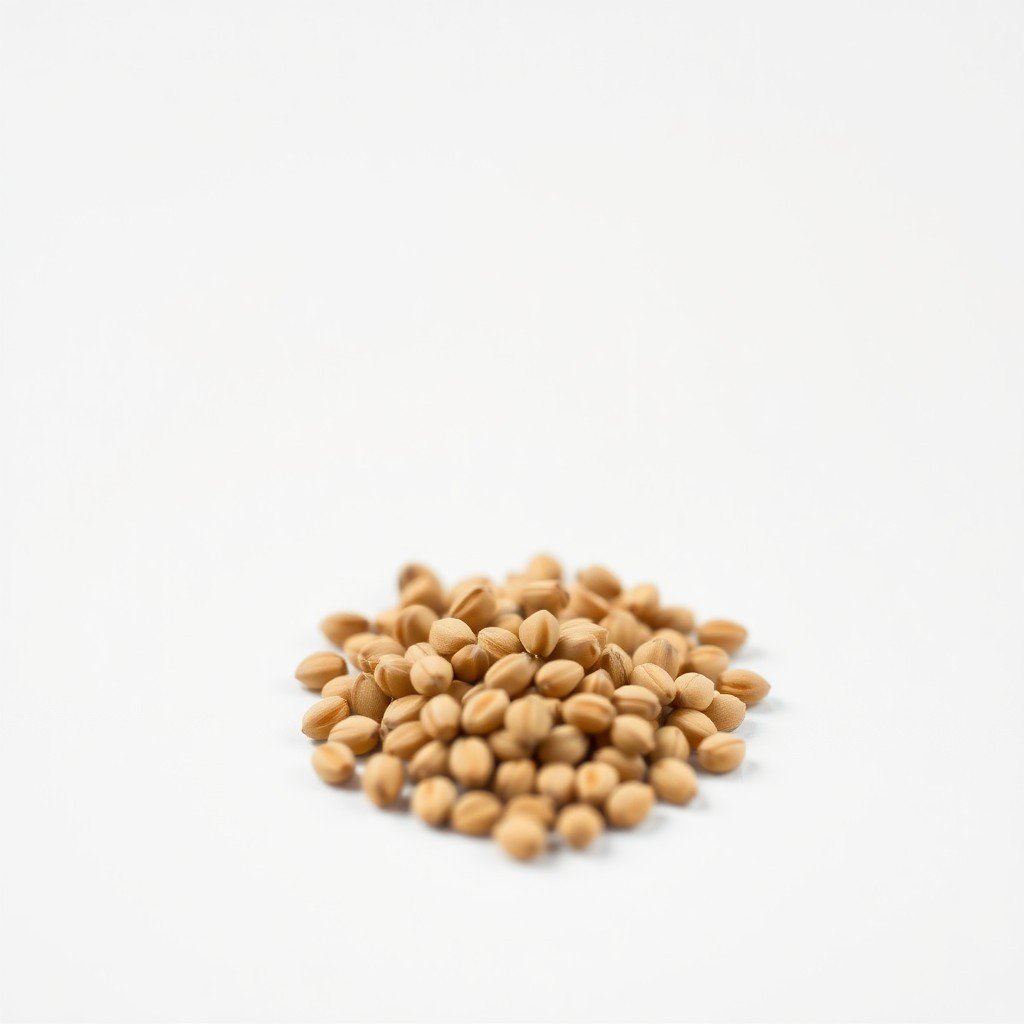
Marigolds love warmth. Sow directly outdoors once frost danger has passed and the soil has warmed to about 18 C, or get a head start indoors. Because tall African types mature more slowly, start their seeds indoors roughly 8 to 10 weeks before planting out (4 to 6 weeks is enough for French and Signet types). Set seeds about 6 mm deep and cover lightly, making sure each one is fully buried in the growing media. At 21 to 24 C the seeds germinate in around 5 to 8 days, and bottom heat speeds things along. Give every plant full sun, six or more hours of direct light a day, since marigolds perform poorly in shade. Space the tall African plants 30 to 40 cm apart so air can move freely between them; French types want 20 to 25 cm and Signet or Gem types can go in as close as the French. Aim for a soil pH between 6.0 and 7.5, and because these tall plants can reach 1 to 1.5 m, plan to stake them if needed.
Fertilizing
This is a light feeder, so keep it simple. Work a balanced, general-purpose fertilizer with equal nitrogen, phosphorus and potassium into the soil at planting time, or use a slow-release feed formulated for annuals. After that, no additional feeding is usually needed. Resist the urge to overdo nitrogen: too much of it pushes lush leafy growth at the expense of flowers. If you want to nudge more blooms, lean on a balanced formula or one with a higher middle number for phosphorus.
Care
For the first couple of weeks after planting, keep the soil evenly moist while roots establish. Once settled in, marigolds are drought-tolerant and need only about 25 mm of water per week, with the soil allowed to dry somewhat between waterings. Always water at the base rather than overhead, which helps prevent disease, and avoid overwatering. Deadhead spent flowers regularly to prolong the display, prevent seed set, and cut down on disease in humid weather. Watch for spider mites, aphids, slugs, leafminers, whiteflies, thrips and caterpillars; insecticidal soap handles mites and aphids well. Good drainage and base-only watering keep powdery mildew and gray mold at bay, which matters most where humidity runs high. Plants typically begin to flower about 8 weeks (roughly 45 to 70 days) from seed and bloom from summer into autumn.