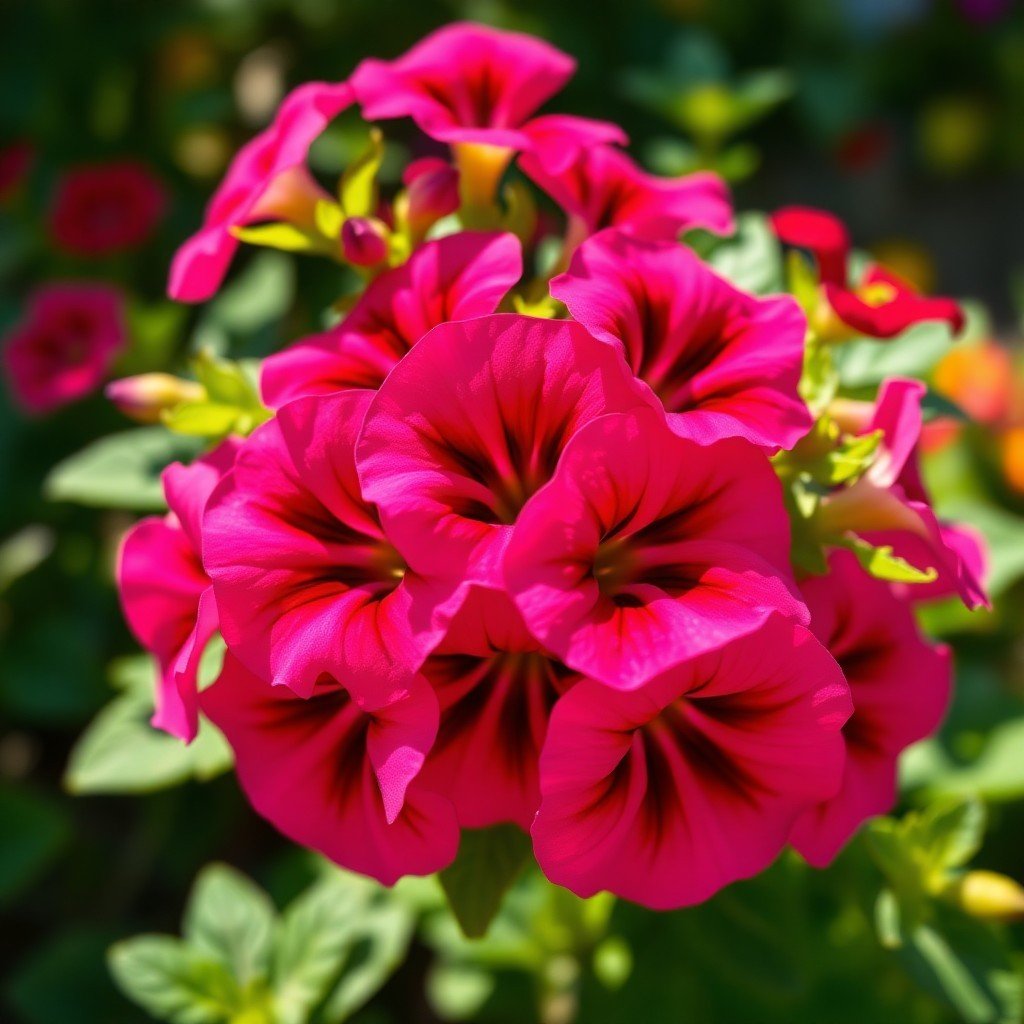
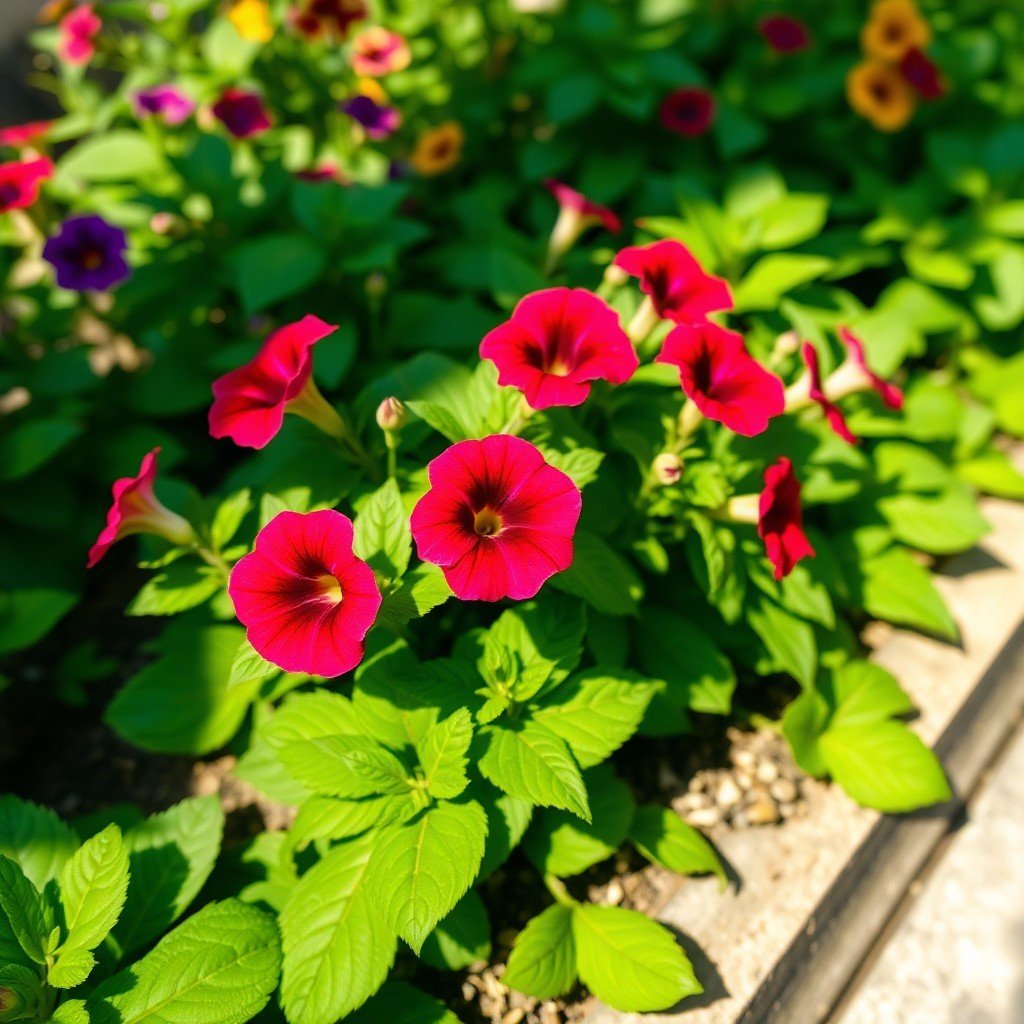
Petunia (Petunia × hybrida) is an annual bedding ornamental grown purely for its non-stop, brilliantly coloured blooms rather than any edible harvest. Its velvety trumpet-shaped flowers cascade in beds, borders, window boxes and hanging baskets, bringing weeks of dependable colour. In Egypt it shines as a cool-season plant, flowering through the mild winter and spring while summer heat pushes it into decline.
Planting
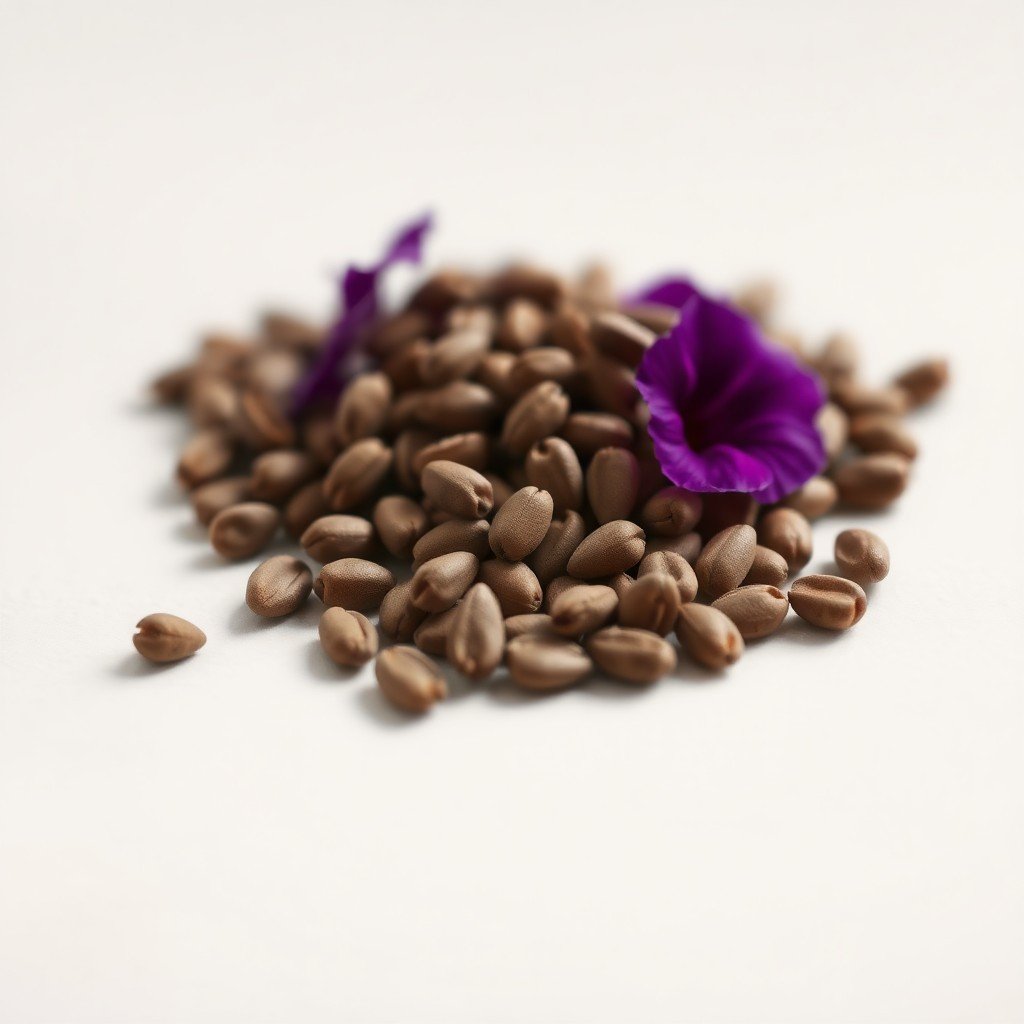
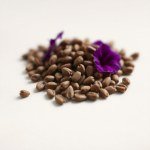
Start seed in trays 6-8 weeks before transplanting (or 4-6 weeks for small plug cells); direct sowing is not advised. Sow on the surface and do not cover — petunia seed needs light to germinate, so at most dust a very thin layer of vermiculite to hold it. Germination takes about 6-10 days at 22-25°C, then grow on cooler at roughly 16-24°C. In Egypt, sow in trays in late summer to early autumn and transplant out from October-November once soil is reliably above 15°C and frost has passed. Space grandiflora/multiflora types about 30 cm apart, milliflora 10-15 cm, and trailing types at least 45 cm; use about 3 plants per 25-30 cm pot.
Fertilizing
Petunias are heavy feeders. At planting, work a balanced granular fertilizer (8-8-8, 10-10-10 or 12-12-12) into the soil at about 1 kg per 9-10 m². Then apply a liquid fertilizer for flowering plants every 2-3 weeks — every 2 weeks for containers and weekly for spreading types. A controlled-release feed at planting is a good alternative; otherwise feed roughly monthly.
Care
Give petunias full sun, at least 5-6 hours of direct light daily, as shade markedly reduces flowering. Water in-ground plants thoroughly once a week, soaking to 15-20 cm, and avoid frequent shallow watering; containers and trailing types may need water daily. Watch for aphids (which spread virus), spider mites, whiteflies and caterpillars, treating with insecticidal soap or neem oil. Keep foliage dry to limit root rot, Botrytis and petal blight, and deadhead spent blooms to keep flowering at its best.