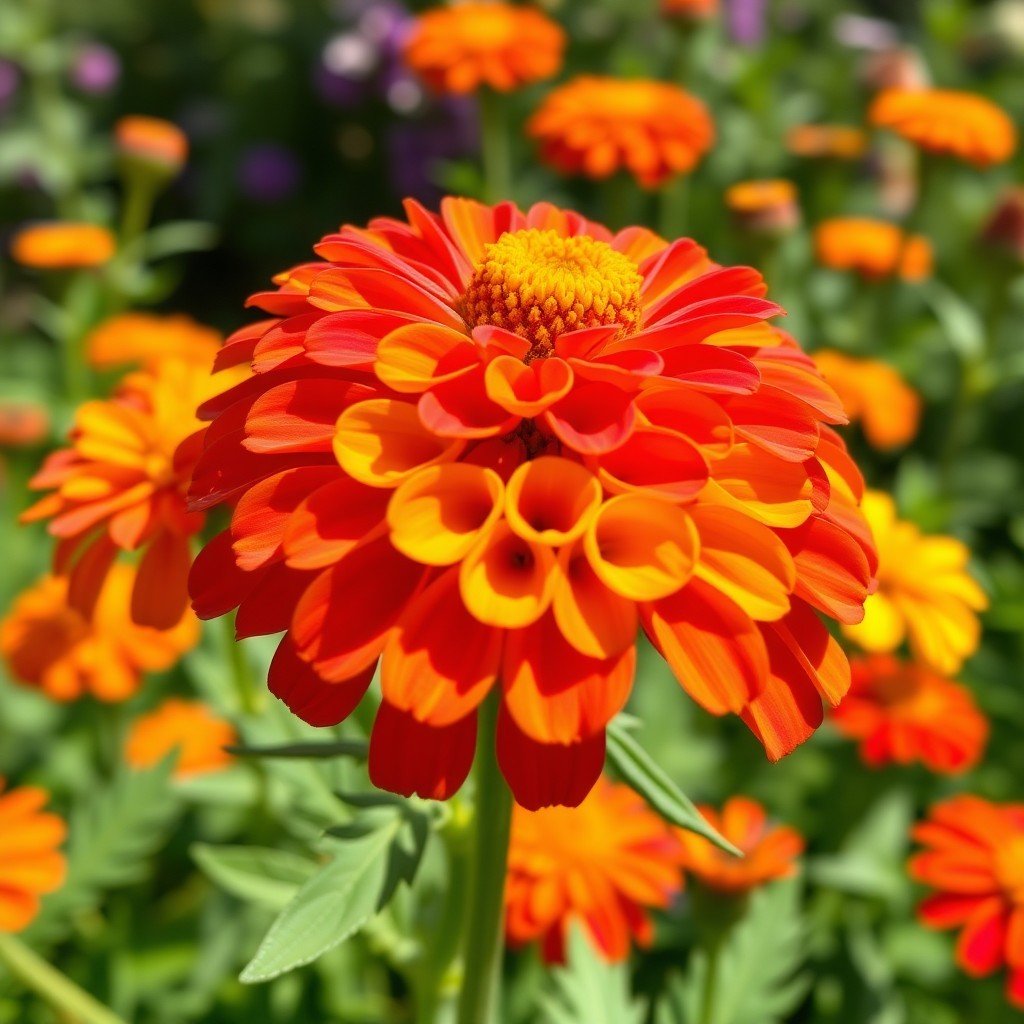
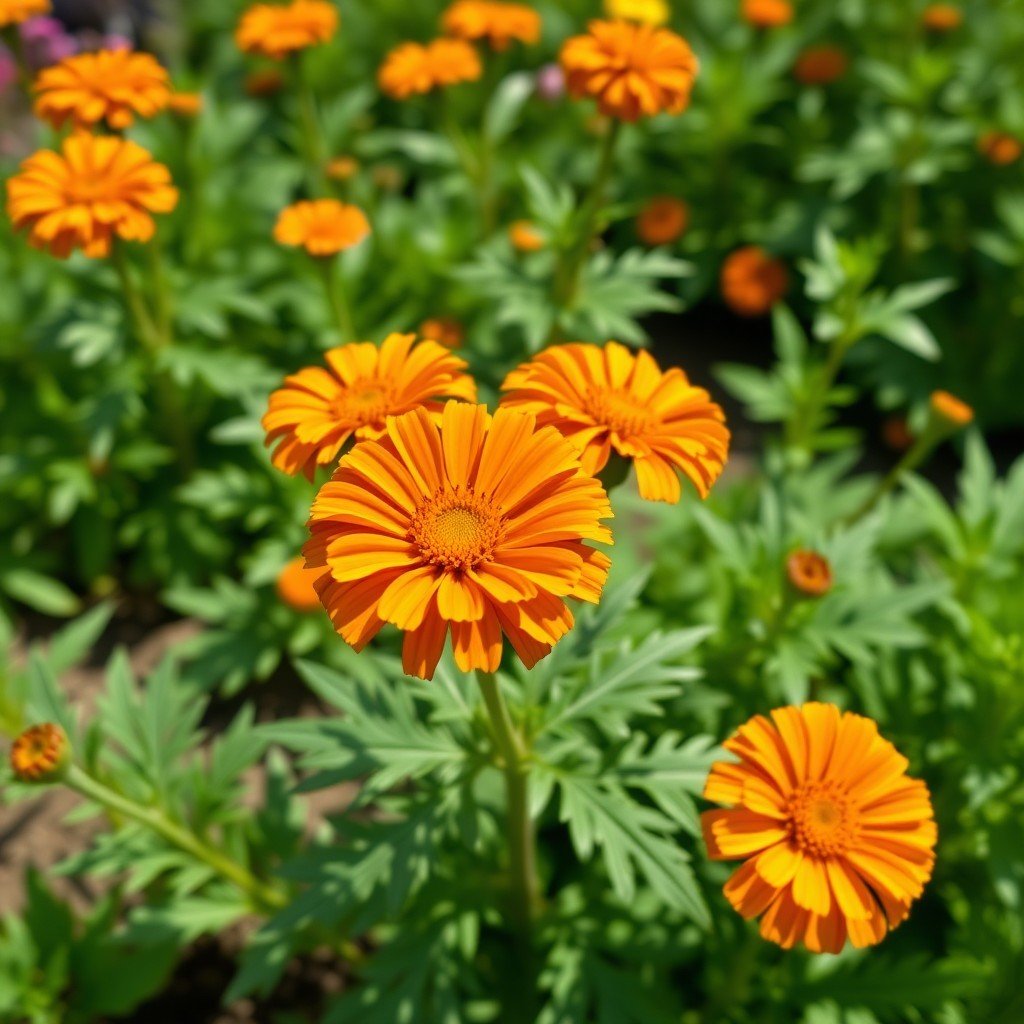
Dimorphotheca, the Cape Marigold or Star of the Veldt, is a cheerful annual daisy from the sandy winter-rainfall lands of South Africa and Namibia. Its large blooms, about 5 to 8 cm across, glow in bright white, yellow, orange and salmon shades that open with the morning sun and close again at dusk or on dull days. The flowers even track the sun across the sky, making a dazzling carpet of colour. Tough, drought-tolerant and salt-tolerant, it is a perfect ornamental for borders, beds and coastal gardens, and a true cool-season treasure in Egypt.
Planting
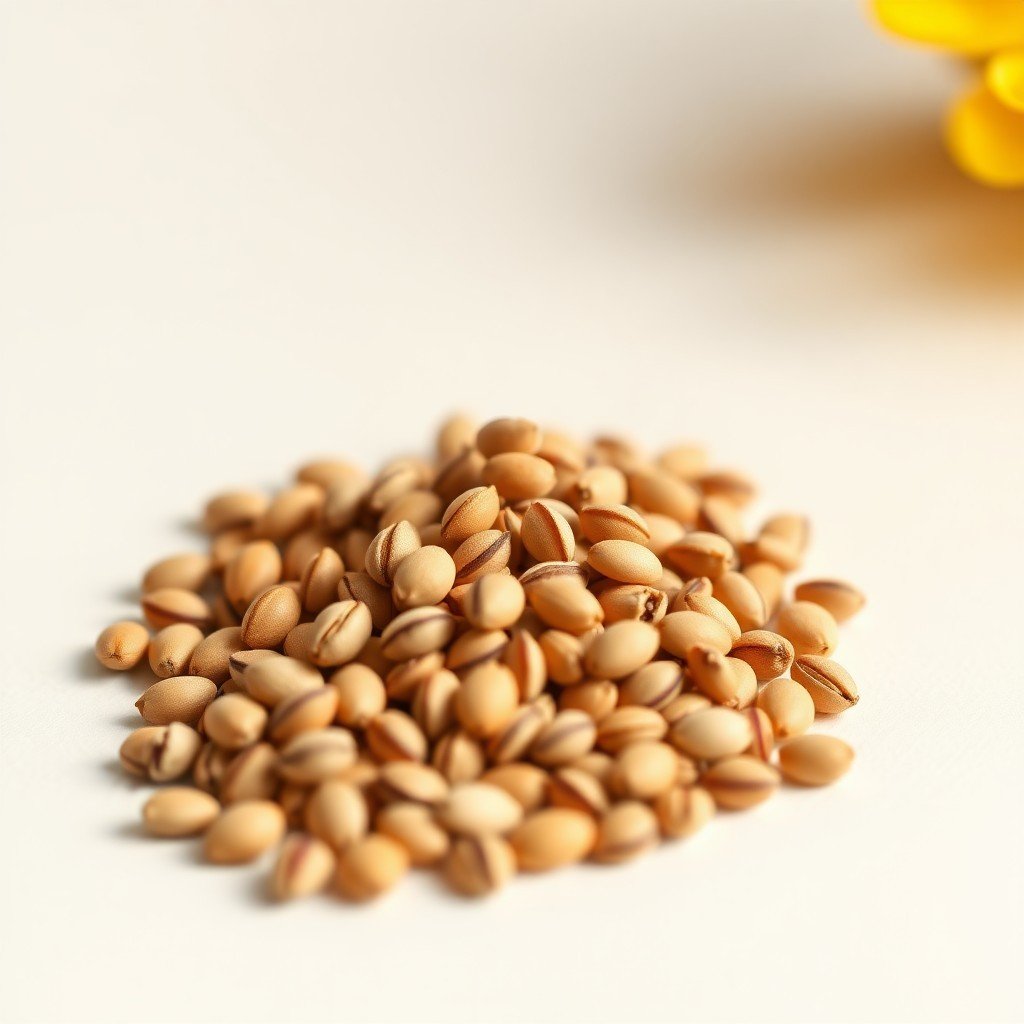
In Egypt grow it as a cool-season winter annual. Sow directly from mid-September through November into light, very well-drained, sandy soil in full sun (at least 6 hours of direct light). Cover the seed only barely, raking lightly to about 0.5 cm so it is not blown or washed away. Germination takes roughly 7 to 14 days at a soil temperature near 16 to 21 C. Thin or prick out seedlings once they reach about 5 cm tall, spacing plants 15 to 30 cm apart, around 25 cm.
Fertilizing
Feed lightly. Mix a balanced all-purpose fertilizer into the soil at planting time and nothing more. The soil should stay only moderately fertile; heavy or high-nitrogen feeding pushes leafy growth at the expense of flowers. This plant thrives even in poor, sandy ground, so its needs are low.
Care
Keep the seedbed moist until seedlings emerge and young plants moist until about 10 cm tall. Once established, water only moderately and let the soil dry between waterings. Water in the morning and avoid wetting the foliage and flowers to prevent fungal problems. Ensure excellent drainage, since wet soil causes crown rot, downy mildew and gray mould. Watch for aphids. Deadhead spent flowers to prolong blooming, which runs from about December or January into March or April.