0 0
0
No products in the cart.

Basic Electricity for Student Projects | tna W rna

Jun 05, 2026 / By Anas Heaba / in Smart Farming & Technology

Many students start IoT projects without understanding the basic electrical principles needed to execute them successfully. This lack of understanding can lead to technical problems and project disruptions, delaying completion. Why is understanding basic electricity essential for student projects?

Currently, as reliance on technology increases, especially in the field of IoT, understanding basic electricity becomes more important than ever. Without this understanding, student projects can face significant technical obstacles.

Schematic diagram of an electrical circuit on a whiteboard

Why Is This Topic Important?

Understanding basic electricity allows students to design and implement more interactive and resource-efficient IoT projects. Through this understanding, they can improve project performance and increase reliability. Additionally, a good grasp of basic electricity can reduce costs and materials consumed in projects.

In Egypt, where the need for IoT technology is growing to improve resource efficiency, understanding basic electricity becomes vital. Through their projects, students can contribute to developing technological solutions to reduce energy consumption and improve resource use.

The Root of the Problem

The root of the problem lies in students' poor understanding of basic electrical principles. This lack of understanding can lead to inefficient project designs and ineffective use of electrical resources. Without a good understanding of electricity, this can result in performance issues and design errors.

Students looking puzzled at electrical components

Step-by-Step Solution

  1. Learn basic electrical concepts such as voltage, current, and resistance.
  2. Use simulation tools and software to design and test projects before starting implementation.
  3. Search for educational resources such as books and instructional videos to learn basic electricity.
  4. Join groups or forums to discuss basic electrical problems and learn from others' experiences.
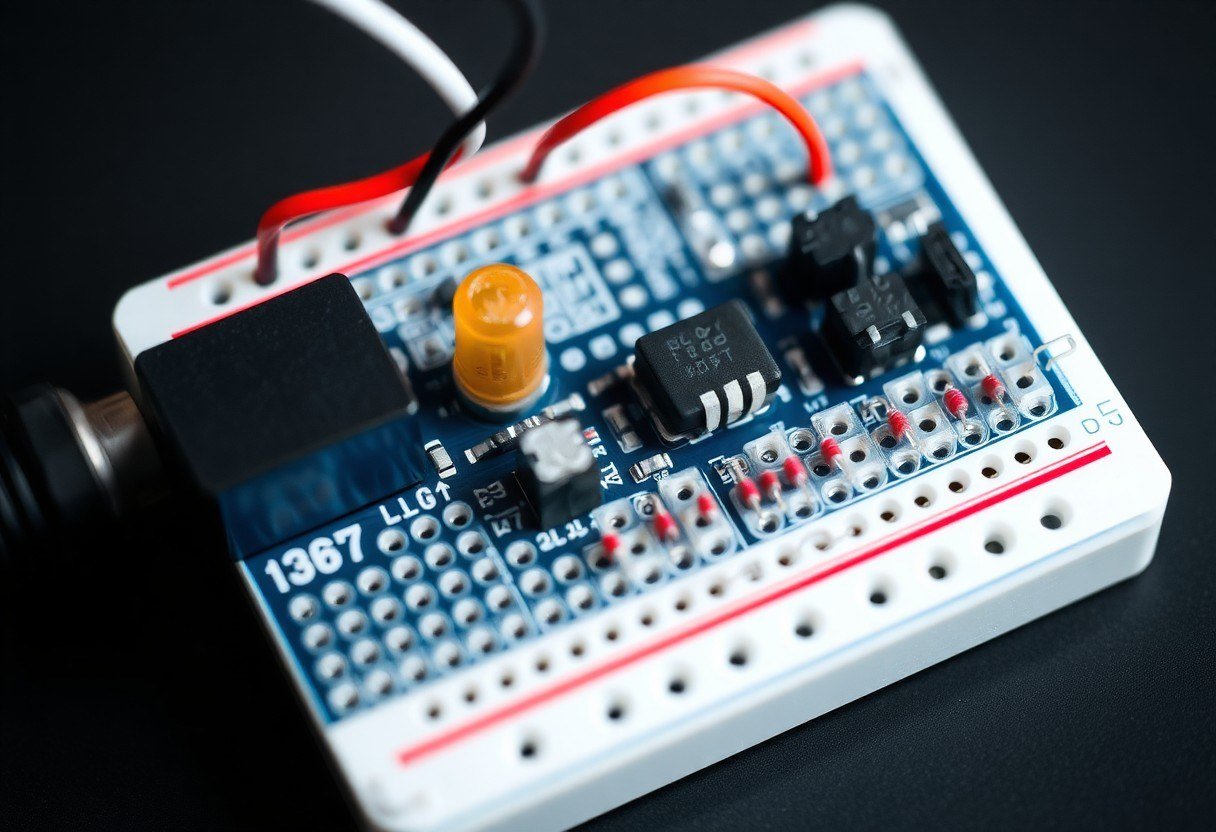
Breadboard with LED and resistors

Practical Tips and Tools

  • Use a breadboard to test designs before converting them to permanent boards.
  • Take advantage of free software like Fritzing to design and simulate electrical circuits.
  • Obtain testing tools such as a multimeter to evaluate the performance of electrical circuits.

Common Mistakes to Avoid

  • Ignoring is unacceptable: Ignoring the resistor value in a circuit design can damage components.
  • Incorrect adjustment: Setting the voltage value incorrectly can damage components or cause them to malfunction.
  • Overuse: Using a current higher than required can damage components or cause fire.
  • Insufficient testing: Not testing the project adequately before launch can lead to unexpected problems.
Student working safely with electrical components

Frequently Asked Questions

What is the ideal resistor value for LED circuits?

The ideal resistor value for LED circuits depends on the source voltage and the LED current. A calculation formula can be used to determine the optimal value.

How can I improve energy efficiency in my projects?

Energy efficiency can be improved by using low-power components and designing more efficient circuits.

What is the best way to test electrical circuits?

A multimeter can be used to measure voltage, current, and resistance, which helps identify circuit problems.

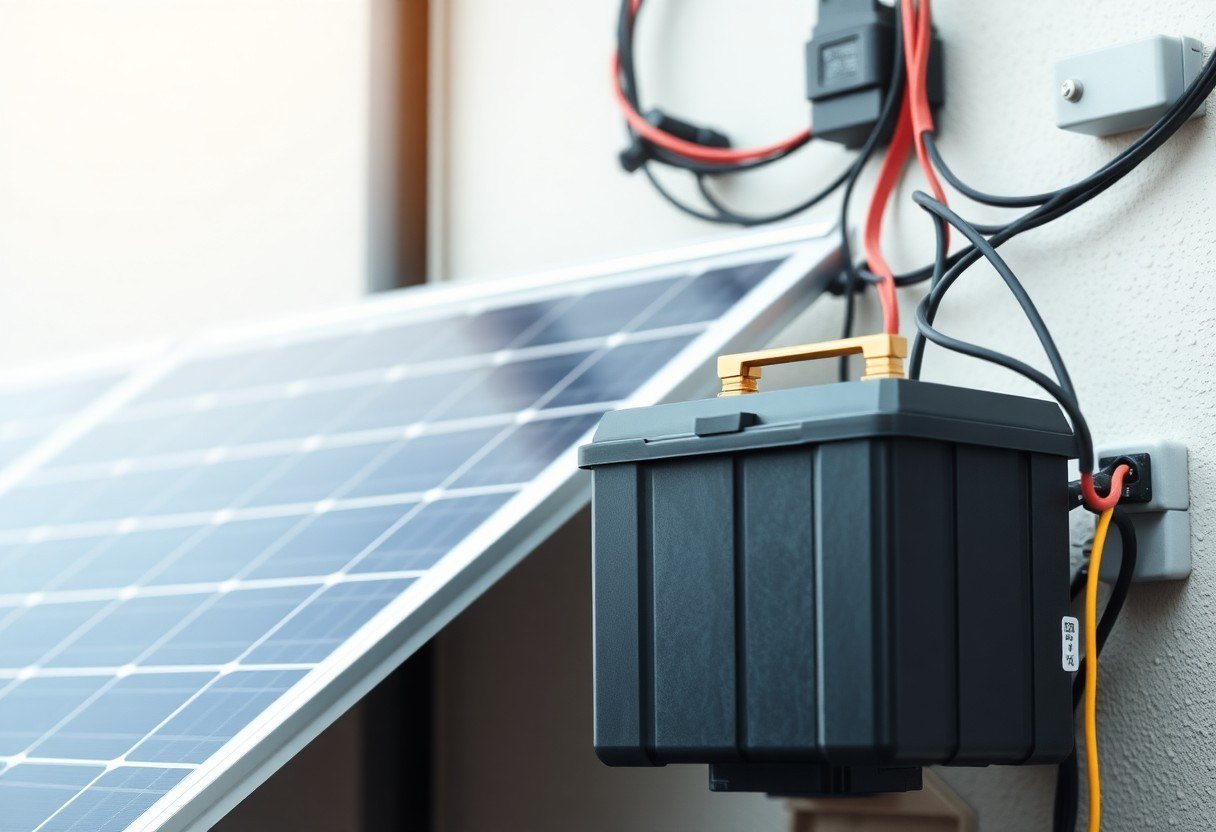
Electrical project with solar panel and battery

Conclusion

Understanding basic electricity is the foundation for building successful IoT projects. By grasping fundamental concepts and adopting practical tools, students can develop more efficient projects and create technological solutions for modern challenges. Encourage yourself to learn and explore, and start your own projects to turn your ideas into reality.


Contact Us تواصل معنا