0 0
0
No products in the cart.

Improving Crop Productivity Using Smart Agriculture Technology | tna W rna

Jun 03, 2026 / By Anas Heaba / in Smart Farming & Technology

Agriculture is one of the most important sectors in Egypt, providing jobs for many and contributing to the food supply for the population. However, agriculture in Egypt faces many challenges, including water scarcity, climate change, and population growth. Therefore, using smart agriculture technology to improve crop productivity becomes essential.

By using smart agriculture technology, farmers can enhance crop productivity, increase profitability, and address environmental challenges. We will discuss how to apply these techniques to improve crop productivity and provide food for the population.

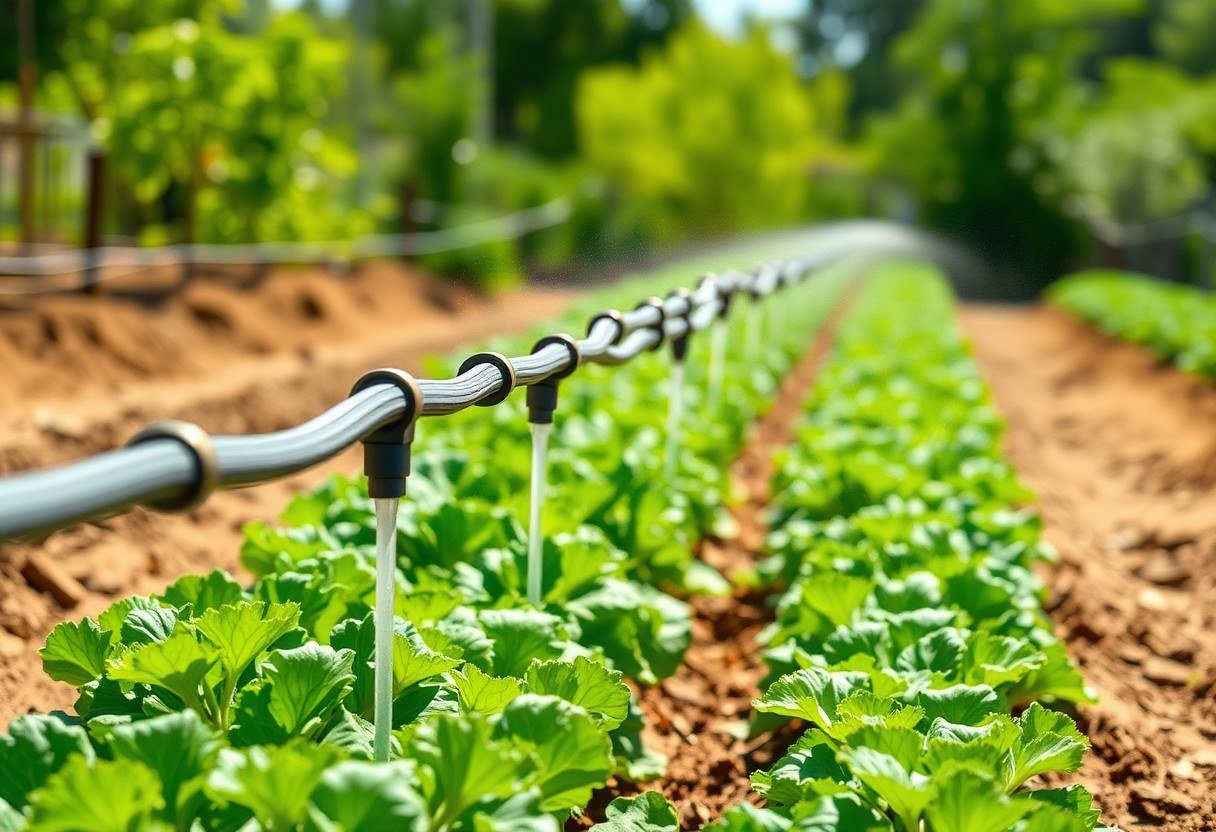
Drip irrigation pipes watering rows of vegetables in a sunny garden

Why Is Smart Agriculture Important in Egypt?

Egypt is one of the countries facing many challenges in the agricultural sector, including water scarcity, climate change, and population growth. Smart agriculture contributes to improving crop productivity, increasing profitability, and addressing environmental challenges. According to some studies, smart agriculture can increase crop productivity by up to 20%.

Smart agriculture can also contribute to water conservation, potentially reducing water consumption by up to 30%. It can also help improve soil quality and increase plant disease resistance.

The Root of the Problem

One of the most significant challenges facing agriculture in Egypt is water scarcity. This leads to reduced crop productivity and increased water consumption. Smart agriculture can help improve crop productivity and conserve water.

Smart agriculture can also contribute to improving soil quality and increasing plant disease resistance. It can also reduce the use of chemicals and improve plant health.

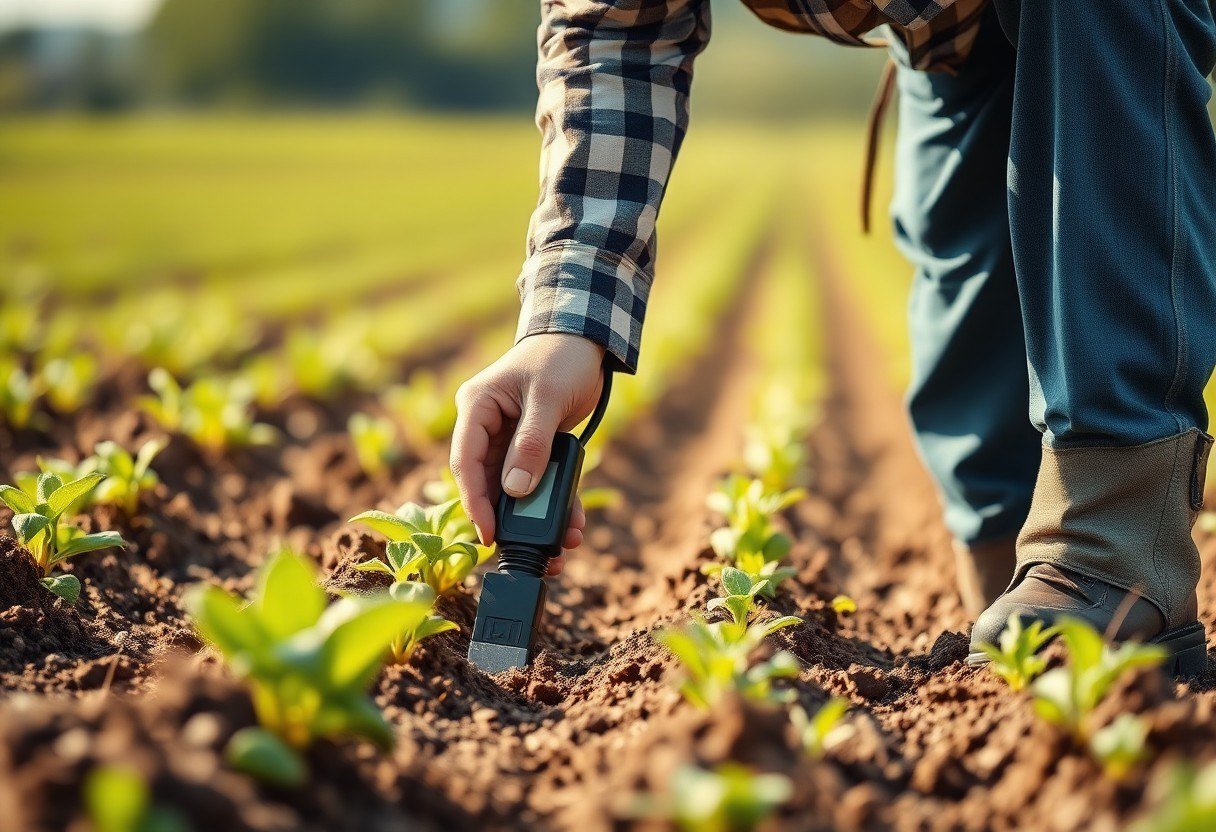
Farmer checking soil moisture with a sensor in a field

The Step-by-Step Solution

  1. Choose a suitable irrigation system, such as a drip irrigation system.
  2. Use sensors to measure soil moisture and temperature.
  3. Use remote control systems to monitor plant conditions and adjust growth parameters.
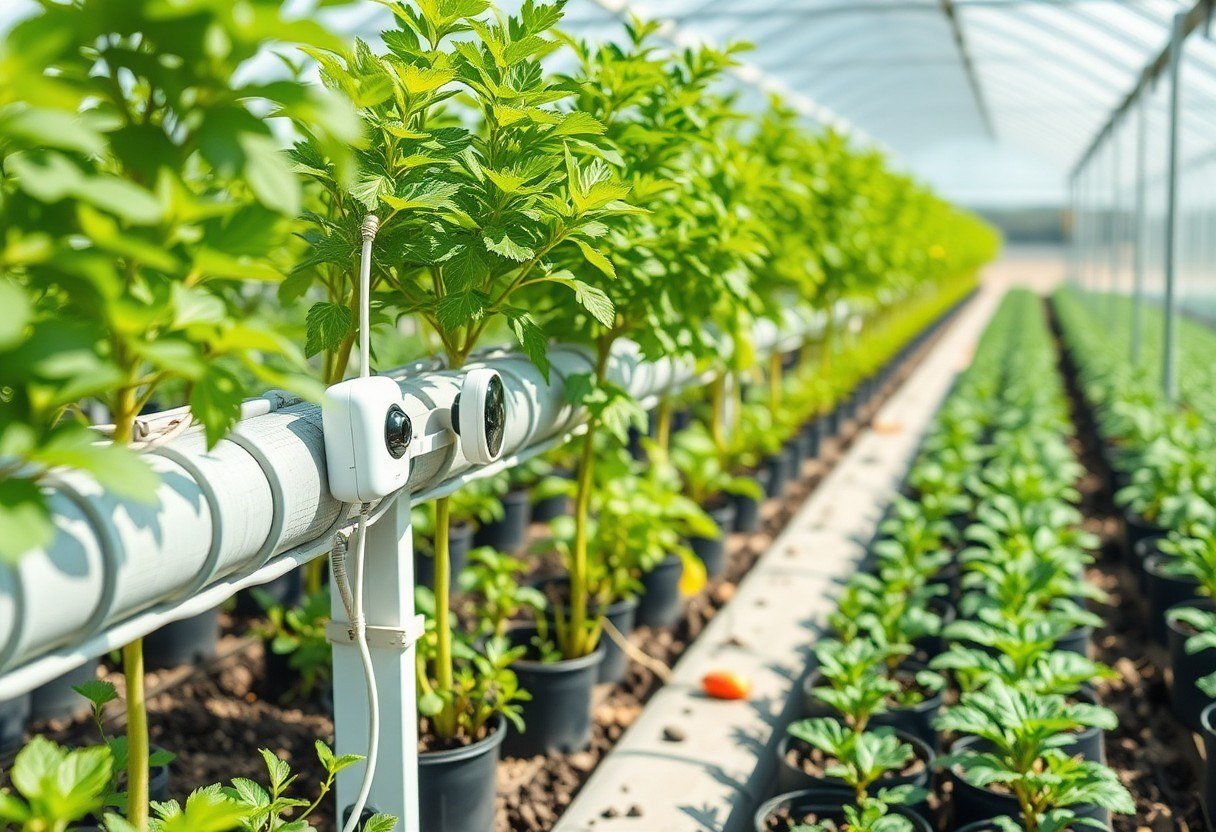
Smart greenhouse with sensors and automated irrigation system

Practical Tips and Tools

  • Use water management systems, such as drip irrigation systems.
  • Use sensors to measure soil moisture and temperature.
  • Use remote control systems to monitor plant conditions and adjust growth parameters.

Common Mistakes to Avoid

  • Using an unsuitable irrigation system, such as flood irrigation.
  • Not using sensors to measure soil moisture and temperature.
  • Not using remote control systems to monitor plant conditions and adjust growth parameters.
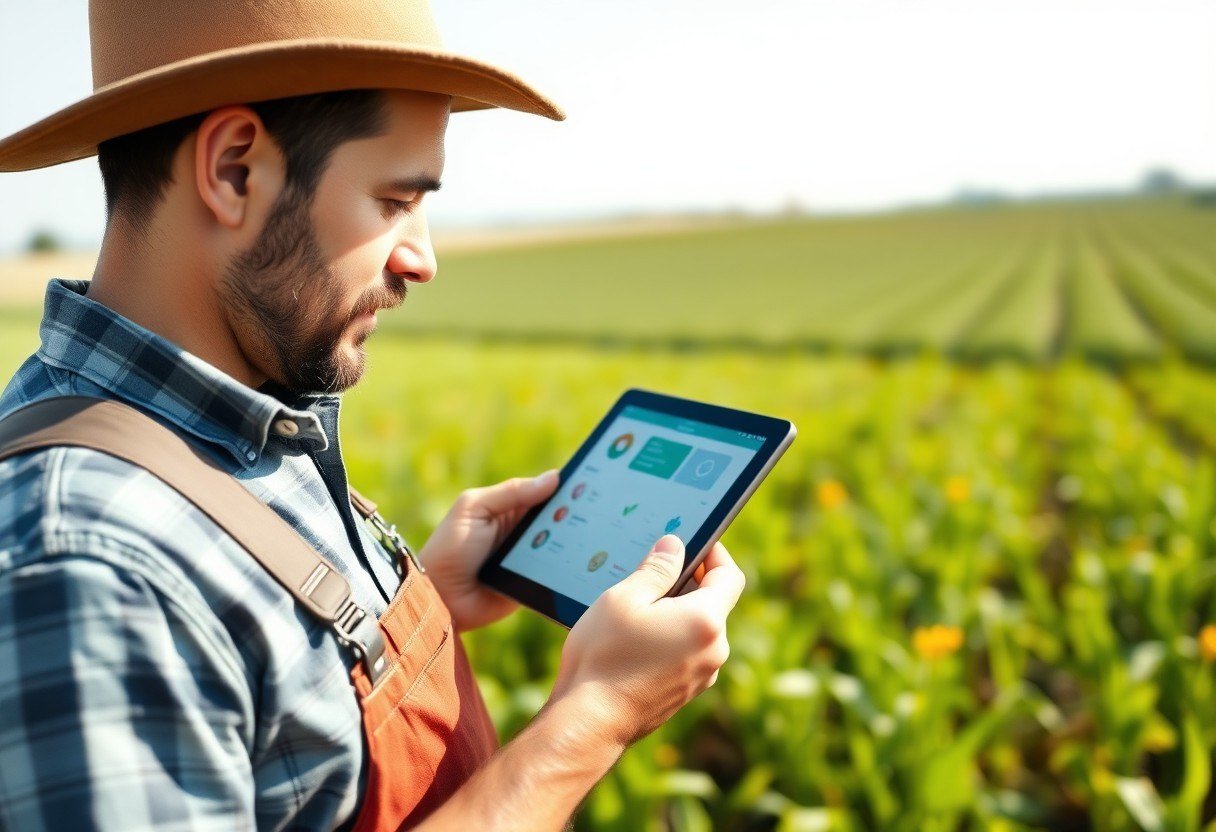
Farmer using a tablet with a smart farming app in a field

Frequently Asked Questions

What is smart agriculture?

Smart agriculture is the use of modern technology to improve crop productivity, increase profitability, and address environmental challenges.

How can I apply smart agriculture on my farm?

You can apply smart agriculture on your farm by using water management systems, sensors to measure soil moisture and temperature, and remote control systems to monitor plant conditions and adjust growth parameters.

What benefits can smart agriculture achieve?

Smart agriculture can achieve many benefits, including improving crop productivity, increasing profitability, conserving water, and improving soil quality.

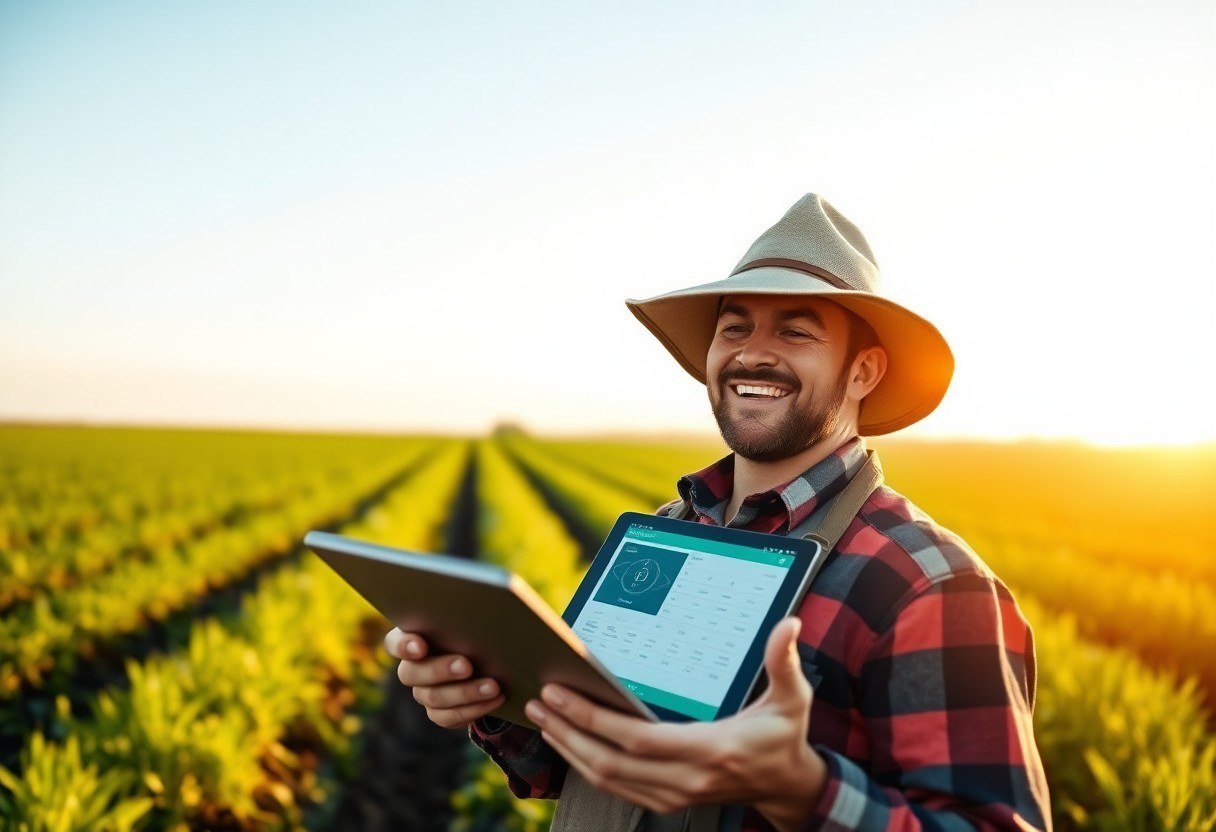
Smiling farmer holding a tablet with a smart farming app in a field

Conclusion

Smart agriculture is the use of modern technology to improve crop productivity, increase profitability, and address environmental challenges. It can be applied in Egypt by using water management systems, sensors to measure soil moisture and temperature, and remote control systems to monitor plant conditions and adjust growth parameters. You can use the W5500 SPI Ethernet TCP/IP Network Module as a tool to monitor plant conditions and adjust growth parameters, helping you achieve your smart agriculture goals.


Contact Us تواصل معنا