Jun 07, 2026 / By Anas Heaba / in Smart Farming & Technology
How can we improve crop productivity in Egypt in the face of water scarcity and climate change challenges? This question is posed to both farmers and researchers, as they seek sustainable solutions to ensure a thriving agricultural future.
In the face of changing environmental conditions, we must be more intelligent in our agricultural practices. The use of technology in agriculture can open up new avenues for improving productivity and reducing costs.

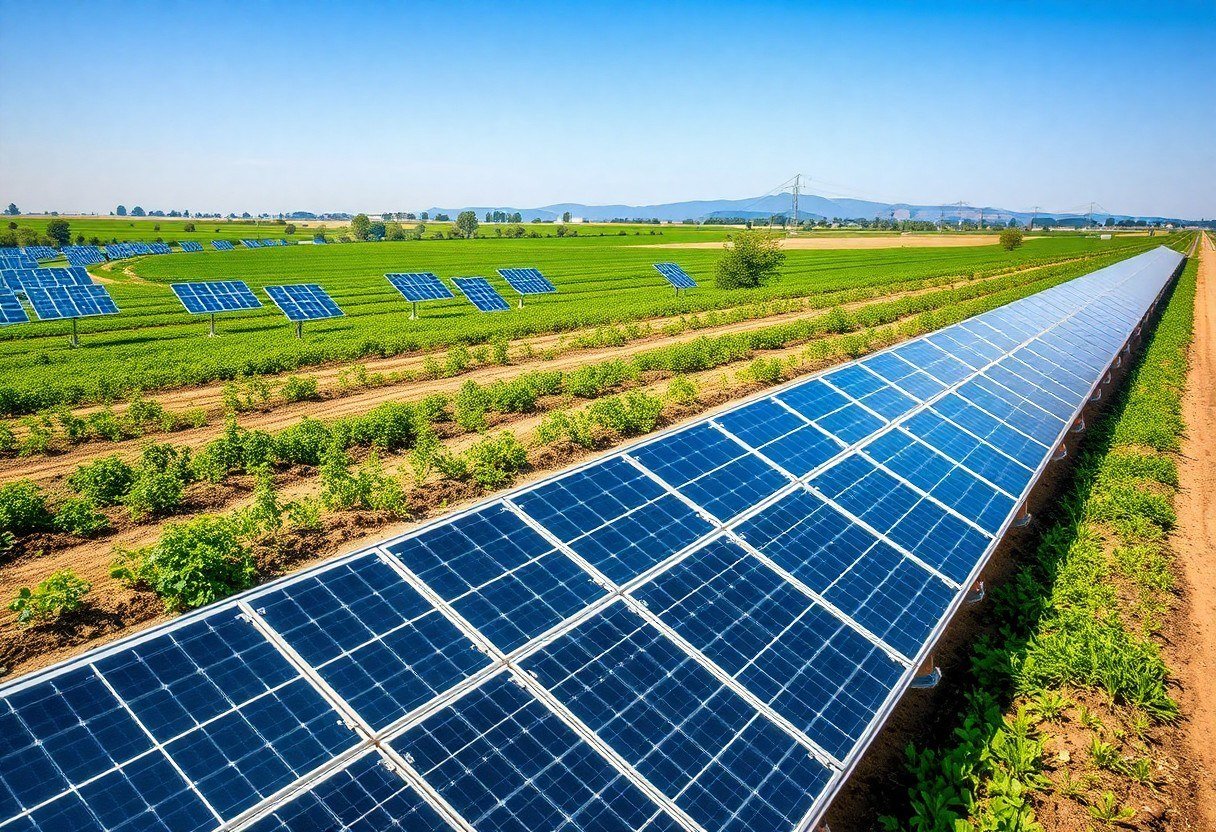
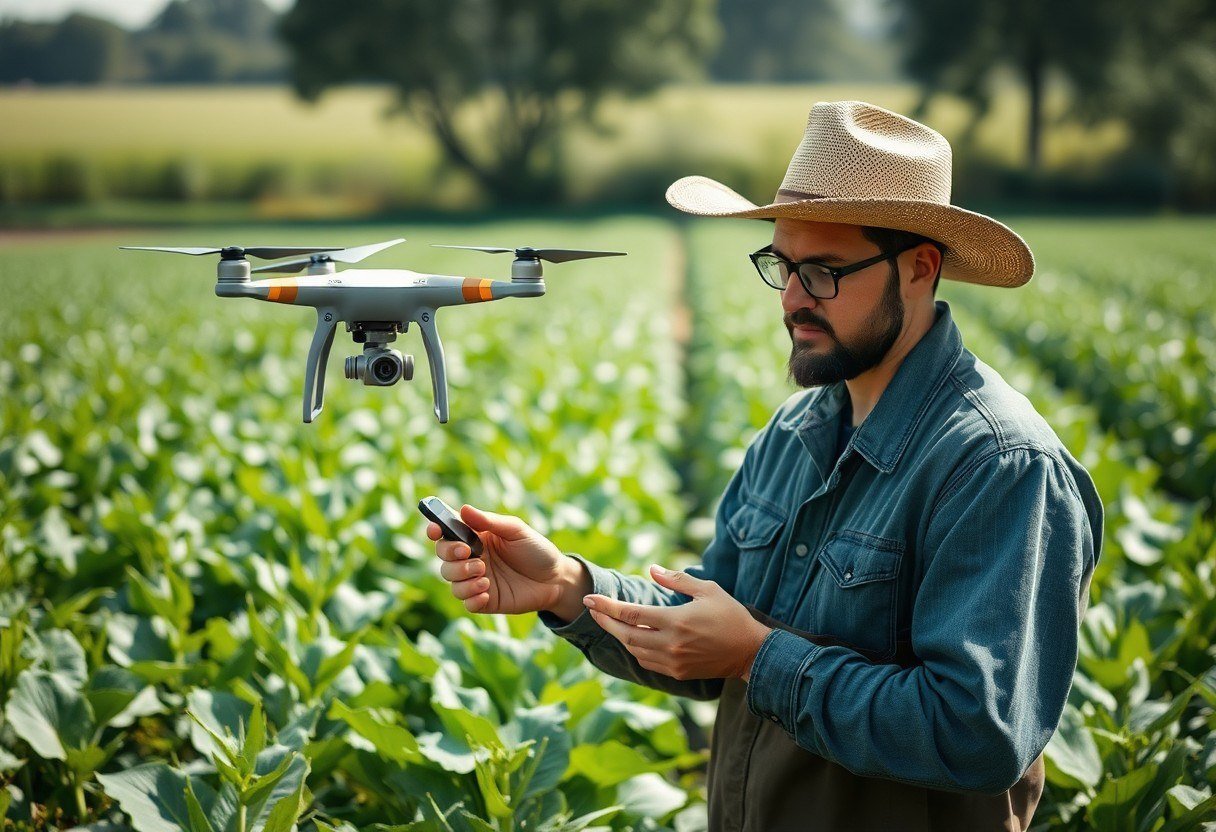
Smart farming is not just a challenge, but an opportunity to turn challenges into opportunities. By applying artificial intelligence and Internet of Things (IoT) technologies, we can improve water management, reduce waste, and enhance crop quality.
In Egypt, where agriculture is a vital sector, smart farming can play a crucial role in achieving food security and improving living standards.
The problem lies in several factors, including water scarcity and climate change, as well as traditional agricultural practices that do not meet modern challenges.


Smart farming is the use of modern technology in agriculture to improve productivity and reduce costs.
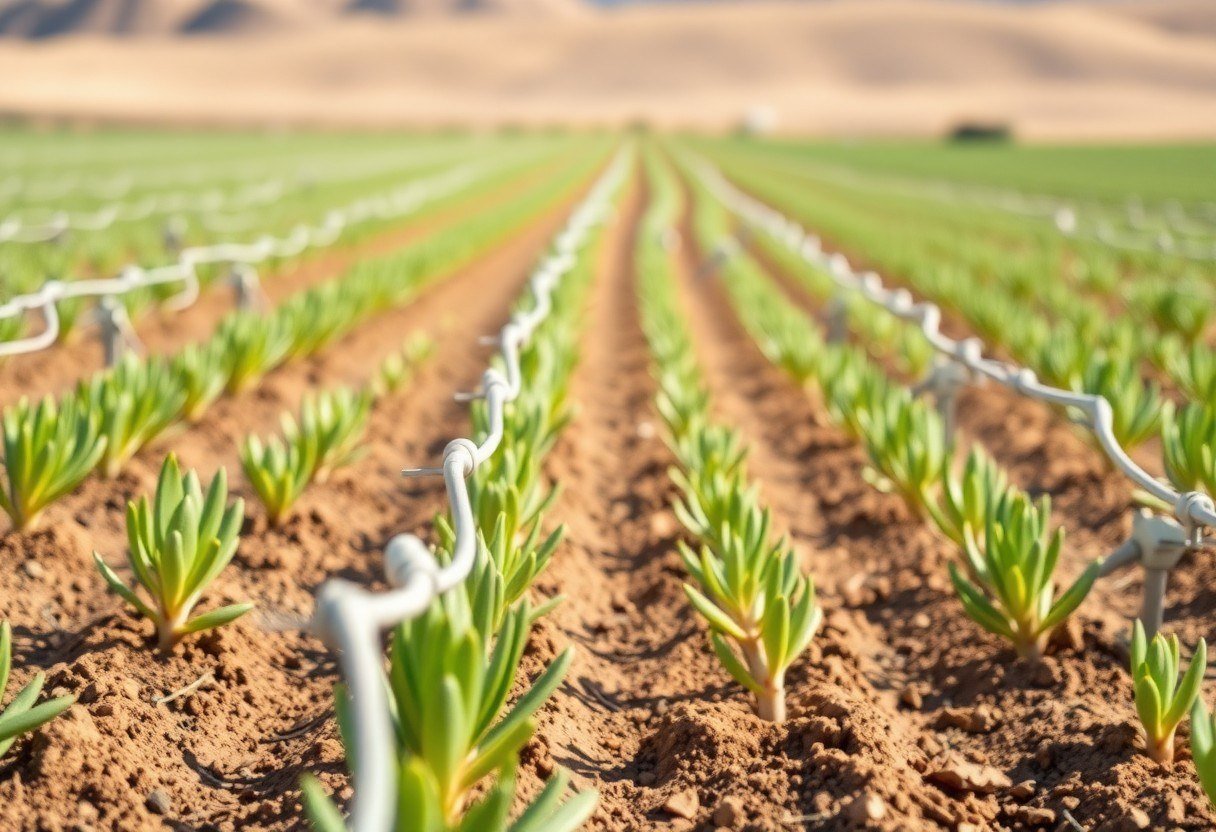
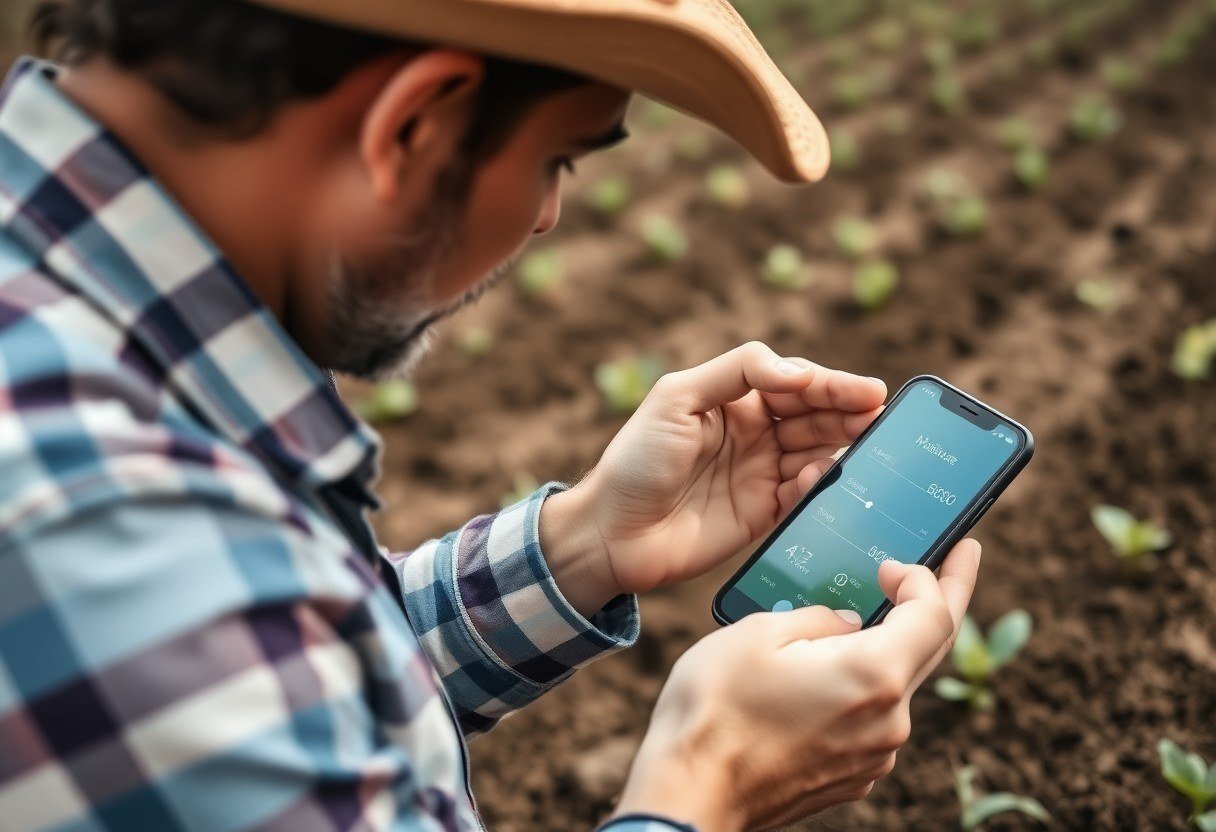
You can start by applying drip irrigation systems and using sensors to measure soil moisture levels.
The benefits include improved productivity, reduced costs, and increased efficiency in resource use.

Smart farming is the key to improving crop productivity in Egypt. By applying artificial intelligence and Internet of Things technologies, we can turn challenges into opportunities for a thriving agricultural future. Let us begin the journey of transforming the farm into a smart system based on data and modern technologies.
Jun 12, 2026 by Anas Heaba