Jun 11, 2026 / By Anas Heaba / in Growing Guides
Kurrat is the Egyptian, or salad, leek — Allium ampeloprasum Kurrat Group (synonym Allium kurrat), the same species as the common leek. Unlike European leek, it forms only small bulbs and is grown mainly for its leaves, which carry a mild-to-strong garlic-and-leek flavour. It has been cultivated along the Nile for at least 2,500 years, and its biggest advantage for a home grower is that it is a cut-and-come-again crop: you cut the leaves, they regrow, and a single planting keeps producing for many months.
In Egypt kurrat is sown almost year-round except the harshest heat and cold. There are two main windows: late summer to autumn (about August to November) and late winter to spring (about late January to April). The plant performs best at roughly 18–28°C and leans toward a cooler, moderate climate, so Delta growers favour the autumn sowing for cool-season leaf production and a spring sowing once frost risk passes. In Upper Egypt the autumn-to-winter window is the safer choice; avoid sowing in the peak heat of midsummer. A stand established in autumn can be cut repeatedly through the cool months and on into the next season.
Kurrat is usually sown directly in its permanent place. Choose a full-sun spot — it needs at least about 8 hours of bright sunlight a day and will not do well in shade, though it tolerates light partial shade. It grows in most soils but prefers a well-drained, fertile heavy loam or clay rich in organic matter, with a pH of about 6.0–7.0. Sow the seed shallowly, roughly 1 cm from the surface (about 0.6–1.3 cm deep). At an optimal germination temperature of about 18–22°C, seedlings emerge in roughly 5–14 days. If you raise or thin to transplants, space plants about 10–15 cm apart in rows about 35–45 cm apart; direct-seeded rows can sit about 15 cm apart.
Work plenty of well-rotted organic manure into the bed during preparation. About one month after planting, feed with nitrogen, phosphorus and potassium — in Egyptian practice that means ammonium sulfate, calcium superphosphate and potassium sulfate. Because kurrat is cut again and again, the key habit is to side-dress with nitrogen (such as ammonium sulfate) after each leaf harvest to drive fresh regrowth. In a home garden, a balanced fertilizer like 10-10-10 side-dressed mid-season works well alongside the post-harvest nitrogen feeds.
Kurrat has a shallow root system (roots reach only about 45–60 cm deep), so it needs consistent, regular moisture — about 2.5 cm of water per week. Aim for steady soil that is neither dry nor waterlogged: water deficit checks growth, while excess water encourages fungal disease. As an onion-family crop, kurrat shares the usual Allium troubles. Thrips are a major pest, and onion maggot can bore into the stems and cause yellowing and wilting; watch too for rust, fusarium wilt and pink root rot. Good drainage, sensible watering and full sun are your best preventive tools.
This is where kurrat shines. It is grown mainly as a cut-and-come-again leaf crop: cut the leaves about 2 cm above the soil and they regrow. In Egypt the first cut comes roughly 1.5–2 months after planting, with repeated harvests every 3–5 weeks depending on temperature, over a stand life of around 18 months. Cut in the cool of the day, feed lightly with nitrogen afterwards, and the plants will keep refilling your kitchen with fresh, fragrant leaves.
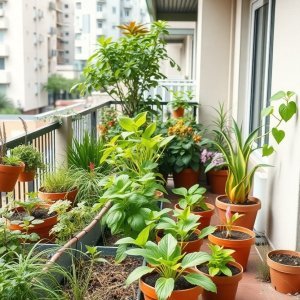
Start with good seed and the rest is easy. At tna W rna you can pick up kurrat seeds for home growing, ideal for a small bed or container on a sunny balcony. For a classic option, browse our leek (Allium) seeds, or try the named kurrat seed (Allium ampeloprasum). If you are planting a larger patch, the kurrat seed pack will keep you in cut-and-come-again leaves all season.
Jun 11, 2026 by Anas Heaba