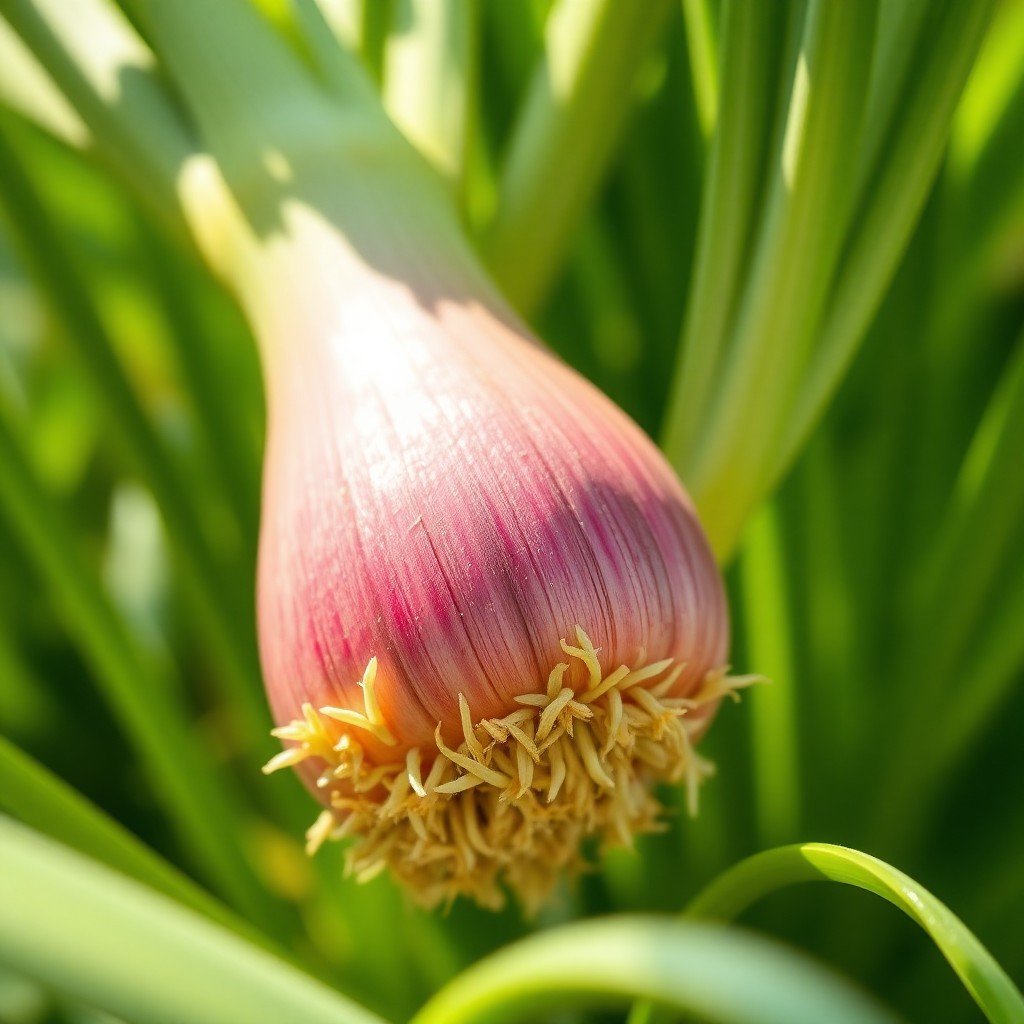
Egyptian leek, known locally as kurrat (Allium ampeloprasum, Kurrat Group), is the salad leek that has been cultivated in Egypt for at least 2,500 years. Unlike European leek it forms only small bulbs and is grown for its slender, fragrant green leaves rather than a thick shaft. Its flavour sits gently between garlic and leek, mild to pronounced, making it a favourite for chopping fresh into salads, omelettes, soups and traditional Egyptian dishes. Best of all it is a true cut-and-come-again crop that gives back leaf after leaf.
Planting
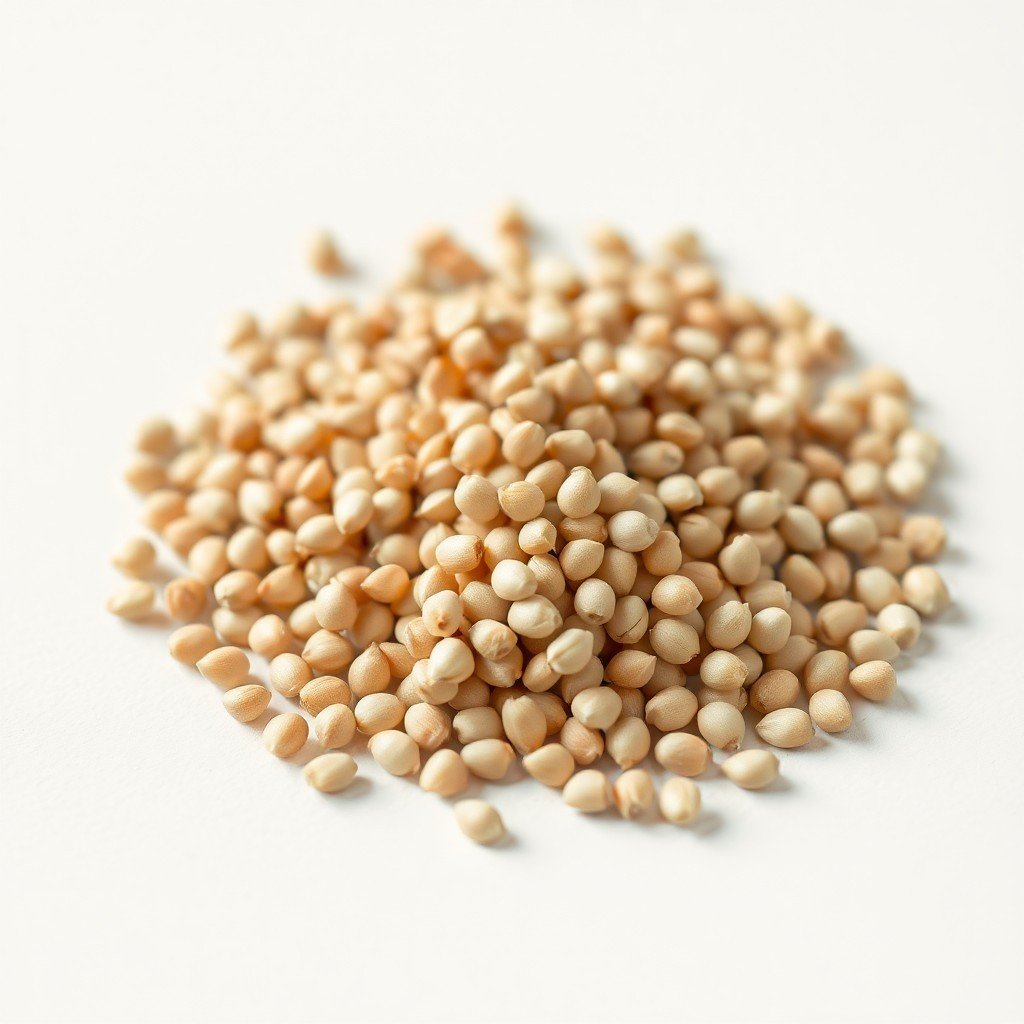
Sow seed directly in its permanent bed, around 1 cm below the surface (roughly 0.6 to 1.3 cm). In Egypt the main windows are August to November and late January to April, avoiding the harshest heat and cold. Germination is best at 18 to 22 C, with seedlings emerging in about 5 to 14 days. Space plants 10 to 15 cm apart in rows 35 to 45 cm apart; direct-sown rows can sit about 15 cm apart. Give it full sun, at least 8 hours daily.
Fertilizing
Work organic manure into the bed before sowing. About one month after planting, feed with nitrogen, phosphorus and potassium. Because the leaves are cut repeatedly, side-dress with nitrogen after each harvest to drive regrowth; in home gardens a balanced 10-10-10 mid-season works well.
Care
Plant in fertile, well-drained loam or clay rich in organic matter, at pH 6.0 to 7.0. The roots are shallow, so keep moisture steady at about 2.5 cm of water weekly, avoiding both drought and waterlogging, which invites fungal disease. Watch for thrips, onion maggot, rust, fusarium wilt and pink root. The first cut comes about 1.5 to 2 months after planting, snipping leaves around 2 cm above the soil, then harvest again every 3 to 5 weeks.