Jun 10, 2026 / By Anas Heaba / in Growing Guides
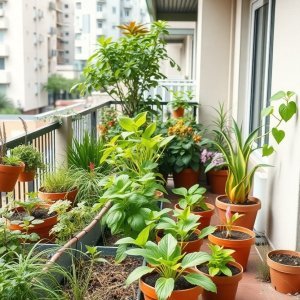
Tomato is one of the most rewarding crops you can grow at home, and Egypt's climate suits it well. It is a warm-season, frost-tender plant that thrives in heat and full sun, exactly what most of the year delivers across the country. With mild winters in the north and warm conditions in the south, you can plan more than one crop a year and keep fresh fruit coming to your kitchen. Whether you have a sunny balcony with containers or a patch of garden, a few healthy plants can produce a steady, generous harvest.
Because tomato is killed by frost and sets fruit poorly in extreme heat, timing is everything. In the cooler Nile Delta and around Cairo, the main and most productive crop is the late-winter to early-spring planting (roughly February to March), once frost danger has passed. Start your seeds indoors about 5 to 6 weeks earlier (December to January) so transplants are ready when the soil has warmed. Planting too early in the north risks frost injury, so it is worth the wait. A secondary planting around September to October also works well in the Delta.
In hotter Upper Egypt, lean toward an autumn planting (around October to November) and a late-winter planting (January to February) to exploit the mild southern winter while dodging extreme summer heat. A mid-summer planting (July to August) is the hardest window for a home grower because fruit set fails above roughly 32 to 35 C, so avoid it or grow under protection.
Sow seed about 0.6 cm deep in a sterile, soilless seed-starting mix. Keep the mix warm at about 24 to 29 C and seeds germinate in roughly 7 to 10 days; a heat mat helps until seedlings emerge. Once true leaves appear, thin or prick out seedlings to about 5 cm apart. Harden off the young plants over about a week before planting outdoors.
At transplanting, set plants deep so only the top 2 to 3 sets of true leaves sit above the soil; the buried stem grows extra roots and a stronger plant. Space transplants about 45 to 90 cm apart within the row and 90 to 150 cm between rows. Vining (indeterminate) varieties need the wider spacing; bush (determinate) types can sit closer. Choose a warm, sheltered site with full sun, at least 6 hours of direct sun daily and ideally 8 to 10.
Use a starter fertilizer with an NPK ratio under 10 at transplanting, and avoid excess nitrogen early on, which produces leafy plants that are slow to fruit. When the first fruits begin to enlarge, side-dress with a nitrogen and calcium source such as calcium nitrate (15.5-0-0), or feed roughly 3 to 4 weeks after planting. For plants in containers, feed every 10 to 14 days with a high-potassium liquid feed once the first fruits start to swell.
Tomatoes want steady, even moisture, about 2.5 cm of water per week from rain plus irrigation. The key is consistency: avoid swinging between bone-dry and soaked, because those fluctuations cause fruit splitting and blossom-end rot. In hot Egyptian weather, container plants may need watering every day. Watch for common pests such as tomato hornworms, aphids, whitefly, flea beetles, and cutworms, and for diseases like early and late blight, Septoria leaf spot, and grey mould. Even watering and good airflow prevent most physiological problems.
Harvest when the fruit reaches full size and the colour begins to change to the variety's ripe colour. Leaving the stalk attached gives the best flavour. The first ripe fruit usually arrives about 52 to 90 days after transplanting, depending on the cultivar. Any green fruit picked late in the season can be ripened indoors at about 21 C.
Starting with good seed makes the whole season easier. For a reliable local crop, the baladi tomato seeds are a great all-rounder. If you want something different, try the imported Marmande tomato seeds for large, meaty fruit, the yellow cherry tomato seeds for sweet snacking, or the striking black cherry tomato seeds. All are available from tna W rna with delivery across Egypt.
Jun 11, 2026 by Anas Heaba