Jun 09, 2026 / By Anas Heaba / in Smart Farming & Technology
Until recently, tourism facilities in Egypt faced significant challenges regarding water consumption. With the increasing demand for hotel services, the need to improve water use efficiency has become more urgent. Many facilities are now asking: How can we save water effectively without compromising the quality of services we provide?
This question comes at a very critical time in Egypt, where water is a precious resource that must be conserved. By applying artificial intelligence in water management, tourism facilities can achieve water savings of up to 40%. This means a significant improvement in the environmental and economic performance of these facilities.

Tourism facilities in Egypt consume large amounts of water, especially in hotels and resorts. This consumption comes from multiple sources, including swimming pools, bathrooms, and kitchens. As the number of tourists visiting Egypt increases, demand for these services rises, and consequently water consumption increases.
On the other hand, Egypt suffers from water supply issues due to scarce water resources. This means tourism facilities cannot continue consuming water without considering how to improve their efficiency. This is where artificial intelligence comes in to help these facilities analyze and improve water consumption patterns.
The main problem stems from the lack of an effective system for monitoring and analyzing water consumption in tourism facilities. Without such systems, it becomes difficult to identify leak locations or improve water use efficiency. Facilities are unable to implement refinement and improvement strategies without accurate data.


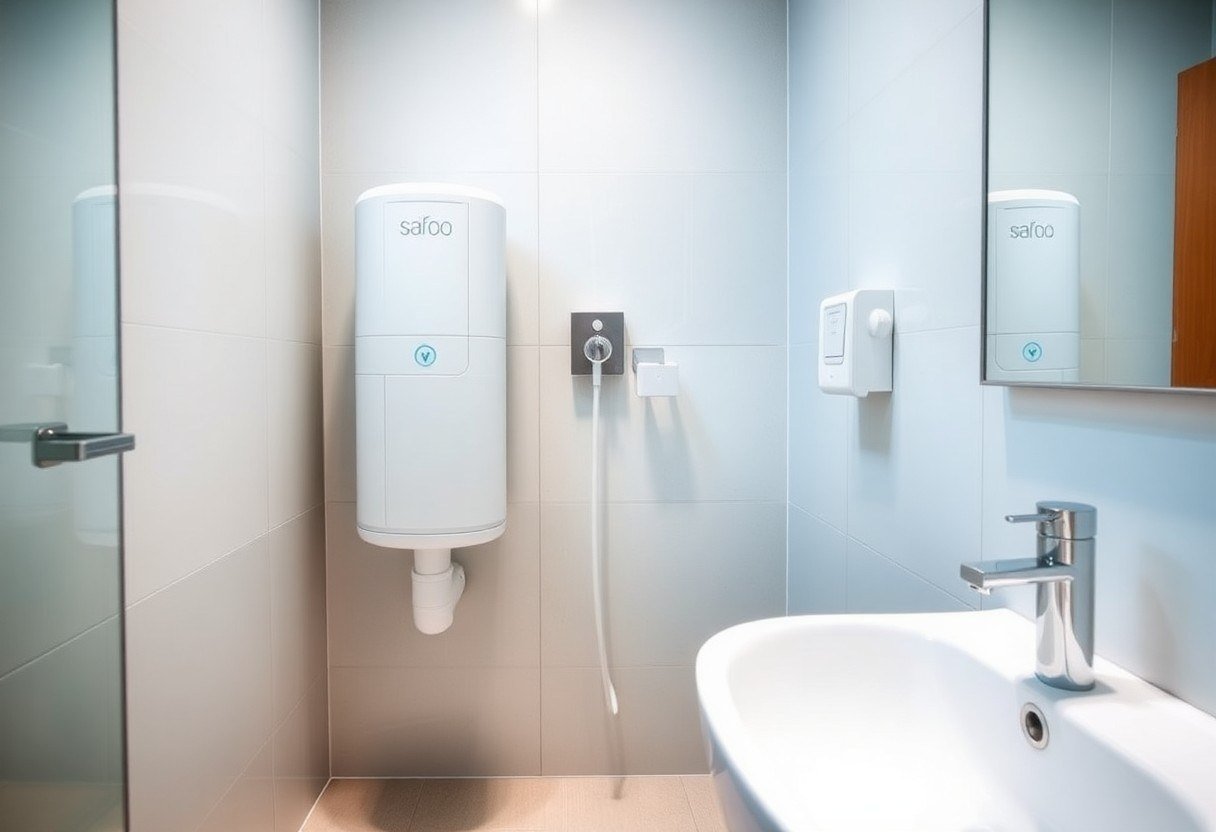
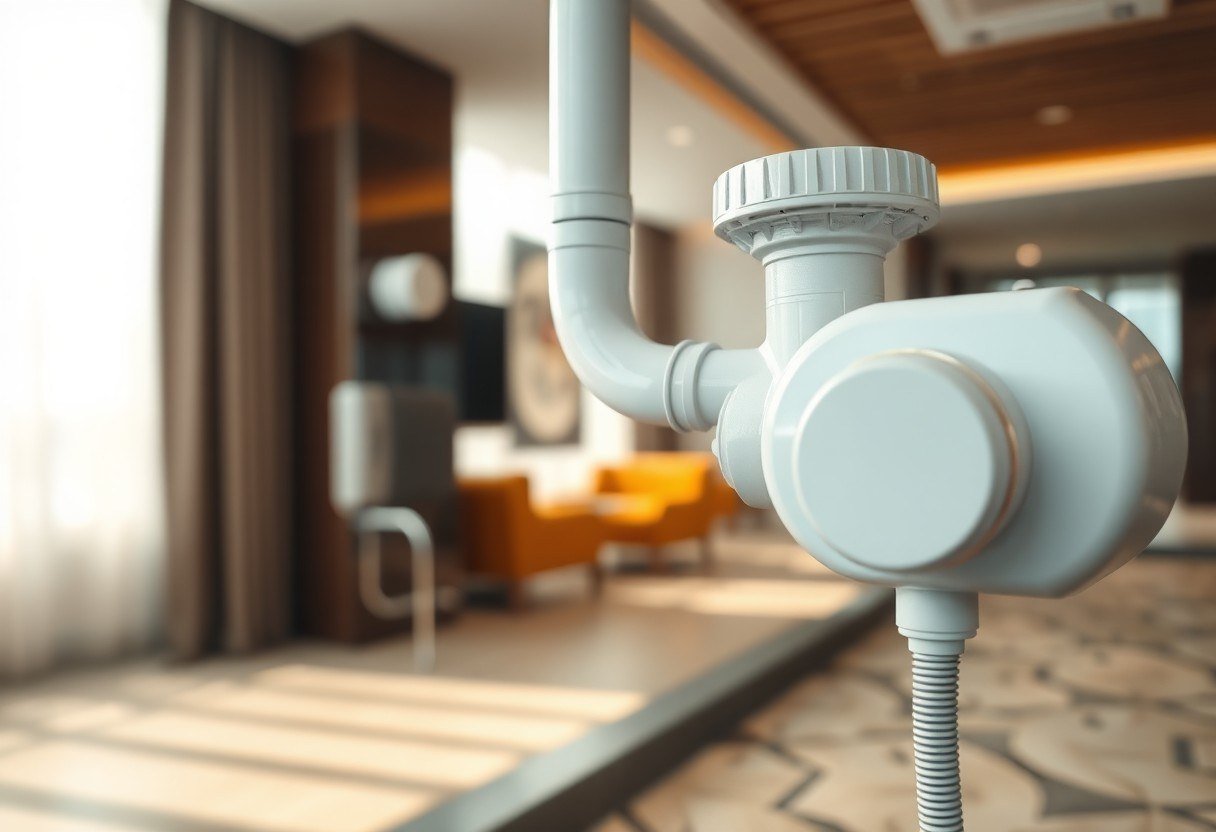
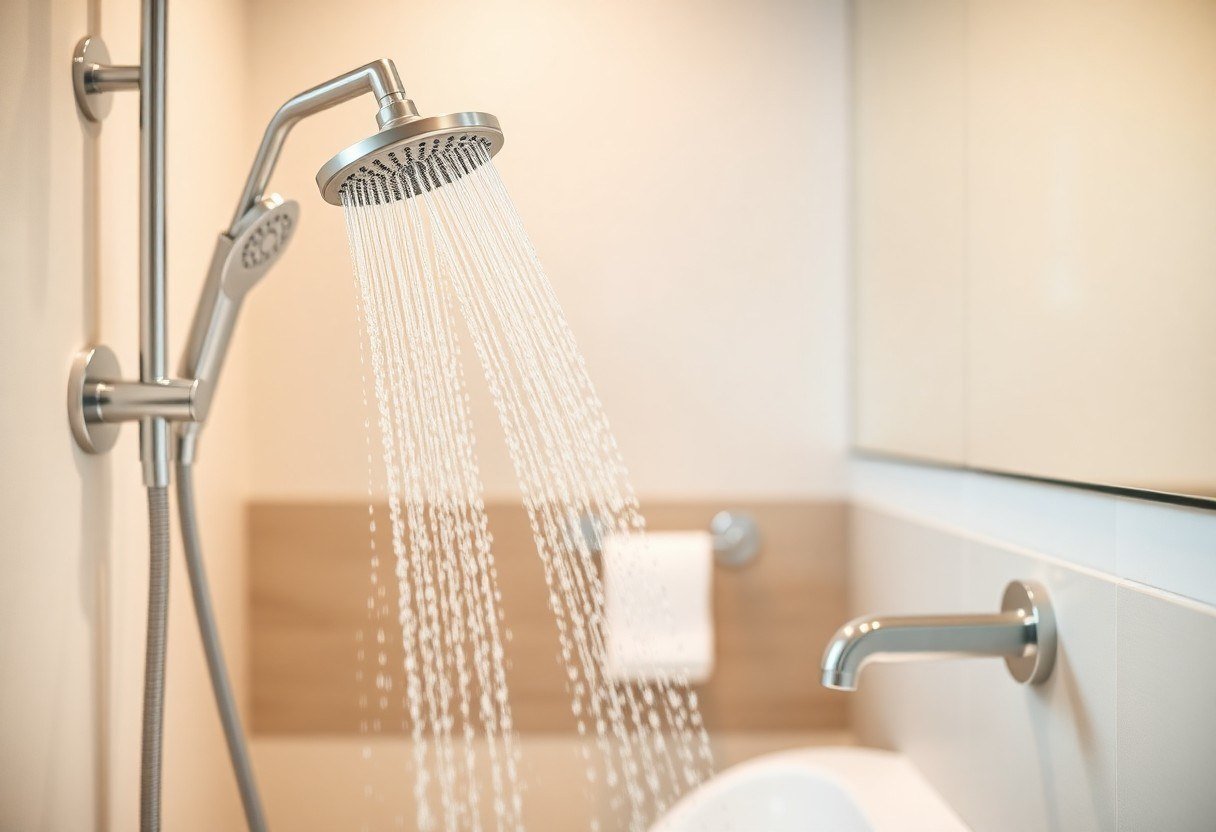
The best ways include applying artificial intelligence systems, installing water efficiency devices, and encouraging guests to participate in water efficiency programs.
Artificial intelligence can analyze water consumption patterns, identify areas where efficiency can be improved, and implement refinement and improvement strategies.
The benefits include saving water, reducing costs, and improving environmental performance.

Improving water efficiency in tourism facilities is vital for achieving water savings, reducing costs, and improving environmental performance. By applying artificial intelligence, installing water efficiency devices, and encouraging guests to participate in water efficiency programs, tourism facilities can achieve their goals and significantly improve their performance.
Jun 12, 2026 by Anas Heaba