May 25, 2026 / By Anas Heaba / in Smart Farming & Technology
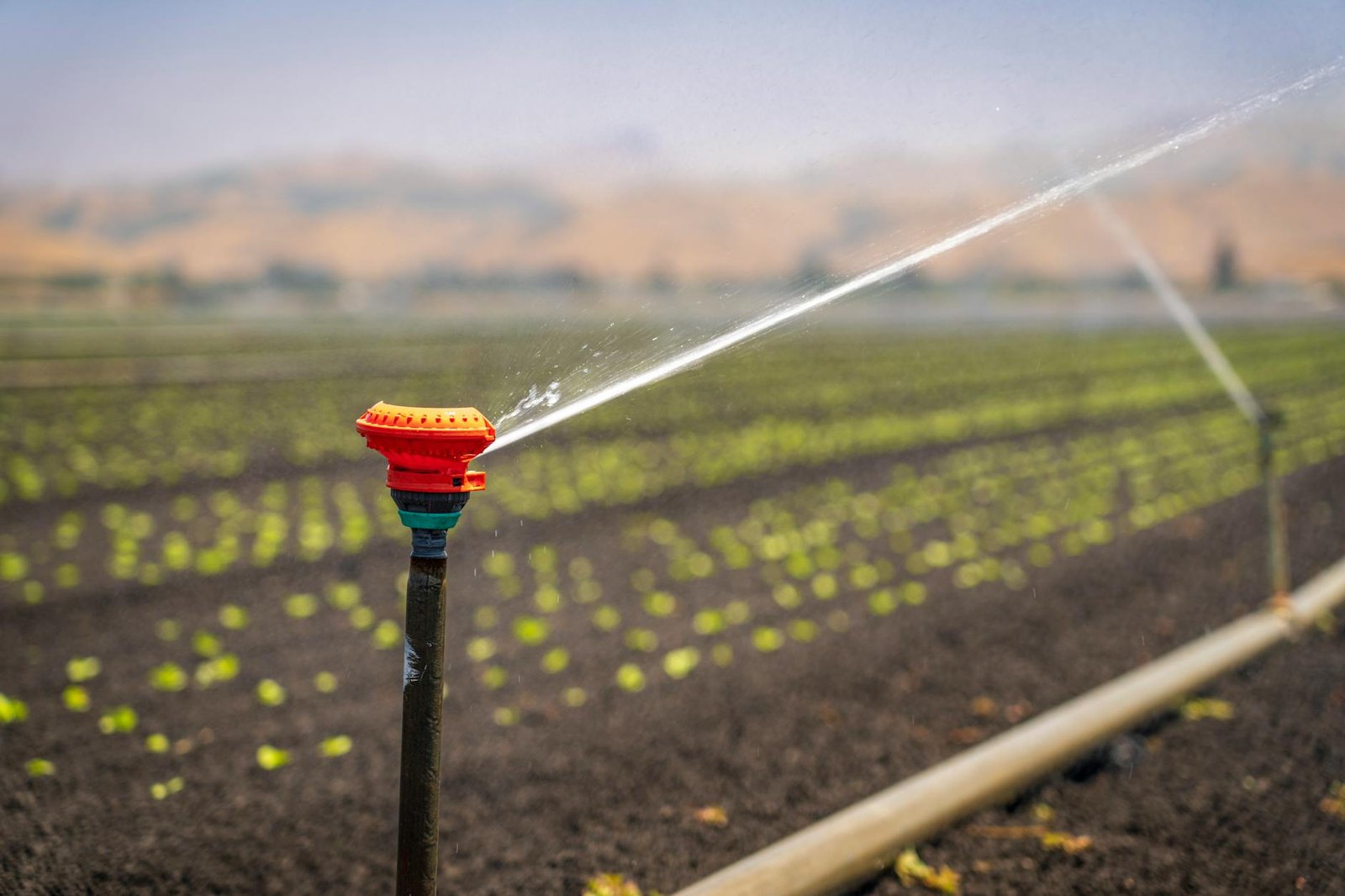
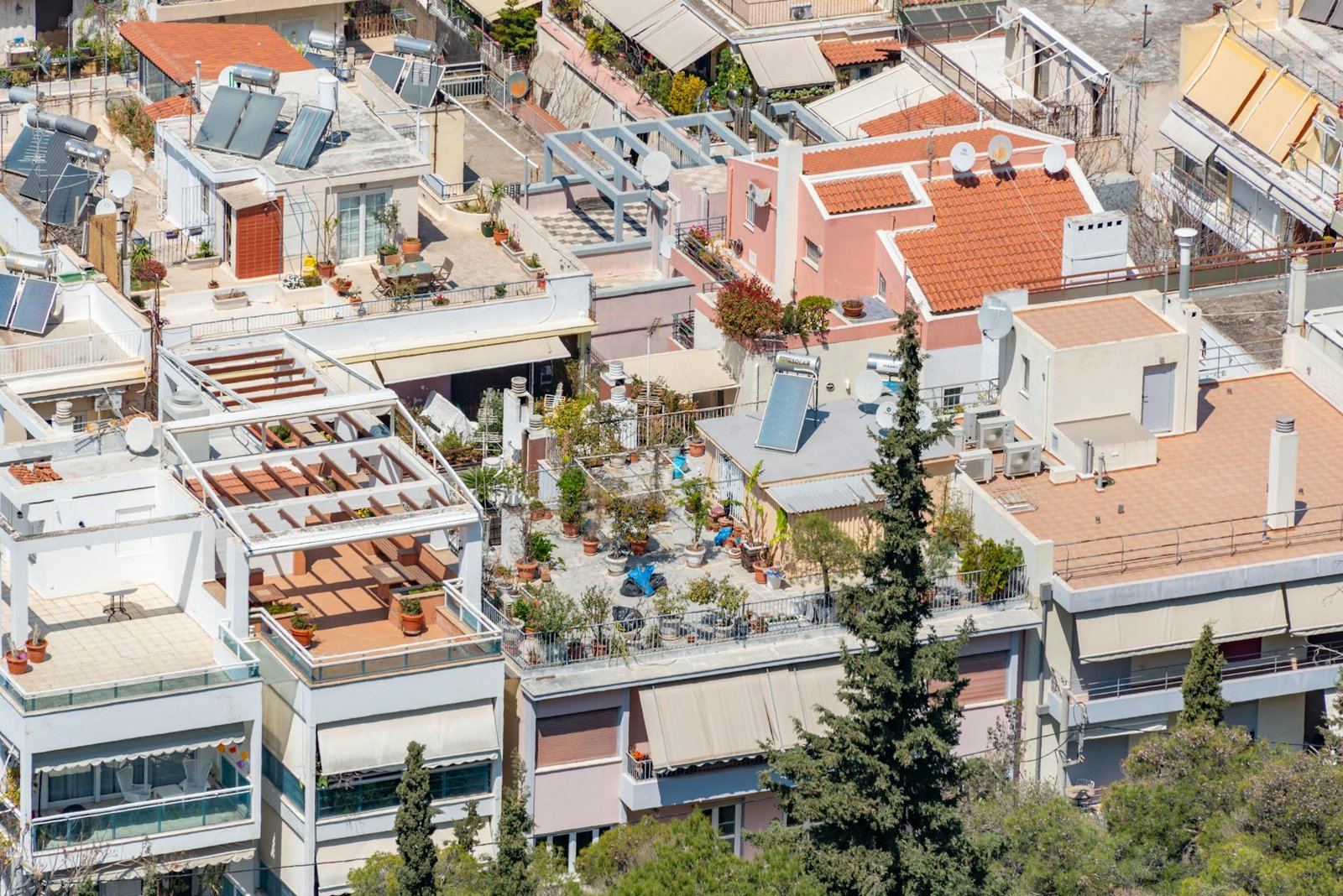
Have you ever noticed that plants on your surface are affected by drought or flooding due to manual irrigation? This common problem can greatly affect plant growth and garden beauty. In fact, about 70% of water used in irrigation is used inefficiently due to the lack of smart irrigation systems.

Installing a smart irrigation system is not difficult, and you can do it yourself with some basic tools and experience. First, you need to choose a suitable location for the system, which should be close to the electrical water source. Second, you need to choose the types of plants that are suitable for the smart irrigation system, such as plants that need regular watering.

After installing the system, you can now control it through your mobile phone, where you can program the system to water plants at specific times of the day, and you can also track the soil moisture level to determine the best time for watering. It is also important to monitor the system periodically to ensure it works correctly.
Using a smart irrigation system, you can save around 30% of the water used in irrigation, and you can also reduce manual watering time by 50%. Additionally, you can reduce the risk of drought and flooding, and you can also reduce the need for pesticides and fertilizers.
Installing a smart irrigation system for your surface can be an effective solution to irrigation problems in your garden. By following the basic steps and choosing the right components, you can create a smart irrigation system that works automatically and is controlled through your mobile phone. Don't forget to follow the next series to learn more about improving your garden and increasing its productivity.
Jun 12, 2026 by Anas Heaba