0 0
0
No products in the cart.

Natural Baladi Ghee: Uses and Benefits | tna W rna | tna W rna

Jun 12, 2026 / By Anas Heaba / in Natural Foods Guides

Few ingredients carry as much warmth and memory as natural Baladi ghee. In Egyptian homes it has flavoured rice, fattah, pastries and the morning slice of bread for generations. But beyond the rich aroma, many families are now returning to traditional, naturally made ghee as part of a more wholesome kitchen. Here is a clear, honest guide to what it is, how it is used, and how to choose a good one.

What Is Natural Baladi Ghee?

Baladi ghee is a traditional clarified butterfat. In simple terms, it is made by gently heating butter or cream until the water and milk solids separate from the pure fat, which is then strained. The result is a golden, fragrant fat that keeps well and gives food its unmistakable depth. "Natural" or baladi ghee usually points to ghee made the old-fashioned way, without artificial additives, so it carries the genuine taste people grew up with.

Types and Varieties

Not all ghee is the same, and knowing the difference helps you shop wisely:

  • Cow ghee (سمن بقري): milder and lighter in flavour, popular for everyday cooking and baking.
  • Buffalo ghee (سمن جاموسي): richer and more intense, loved for festive dishes and traditional desserts.
  • Mixed or vegetable-based ghee: common in markets but quite different from pure animal ghee. If you want the authentic article, always check that you are buying real Baladi ghee rather than a substitute.

Traditional Uses and Benefits

Ghee has been treasured in Egyptian and wider regional cooking for a very long time, and people value it for several reasons:

  • Cooking and frying: ghee has a high smoke point, so it suits sautéing, frying and roasting without burning as easily as some other fats.
  • Flavour: a small spoon transforms rice, lentils, molokhia, fattah and baked goods with a nutty, buttery aroma.
  • Baking and sweets: it is a classic choice for kahk, biscuits and pastries, giving a tender, rich texture.
  • Traditional home care: some people traditionally use a little ghee in simple home routines, and it appears in many family recipes passed down over time.

We keep this honest: ghee is a food, not a medicine. It is known for its flavour and its place in heritage cooking, and like any fat it is best enjoyed in moderation as part of a balanced diet.

How to Choose Quality Ghee

Telling good ghee from a poor one is easier once you know what to look for:

  • Aroma: real Baladi ghee has a warm, buttery, slightly nutty smell, never sour or chemical.
  • Colour and texture: a natural golden tone, smooth and grainy when set, melting to a clear liquid when warmed.
  • Behaviour with temperature: pure ghee firms up in the cold and melts cleanly with heat, without an odd waxy feel.
  • Source you trust: buy from sellers who are transparent about where the ghee comes from and how it is made.

Tips for the Egyptian Home

To get the most from your ghee, store it in a clean, dry jar away from direct sunlight, and always use a dry spoon to avoid introducing moisture. A small amount goes a long way, so add it near the end of cooking to keep the aroma vivid. Many homes keep ghee for everyday cooking and reserve the richer buffalo ghee for special occasions and desserts.

Where to Buy

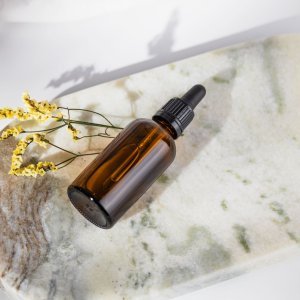
At tna W rna we focus on natural, farm-sourced products, so you can shop for everyday kitchen staples with confidence. Browse our Natural Oils & Ghee category to explore options for your home. And while you are stocking the natural pantry, many customers also pick up our Castor Oil 50ml, a traditional natural oil that is popular for simple home and beauty routines. Choosing natural products you trust is the first step to a kitchen that tastes like home.


Contact Us تواصل معنا