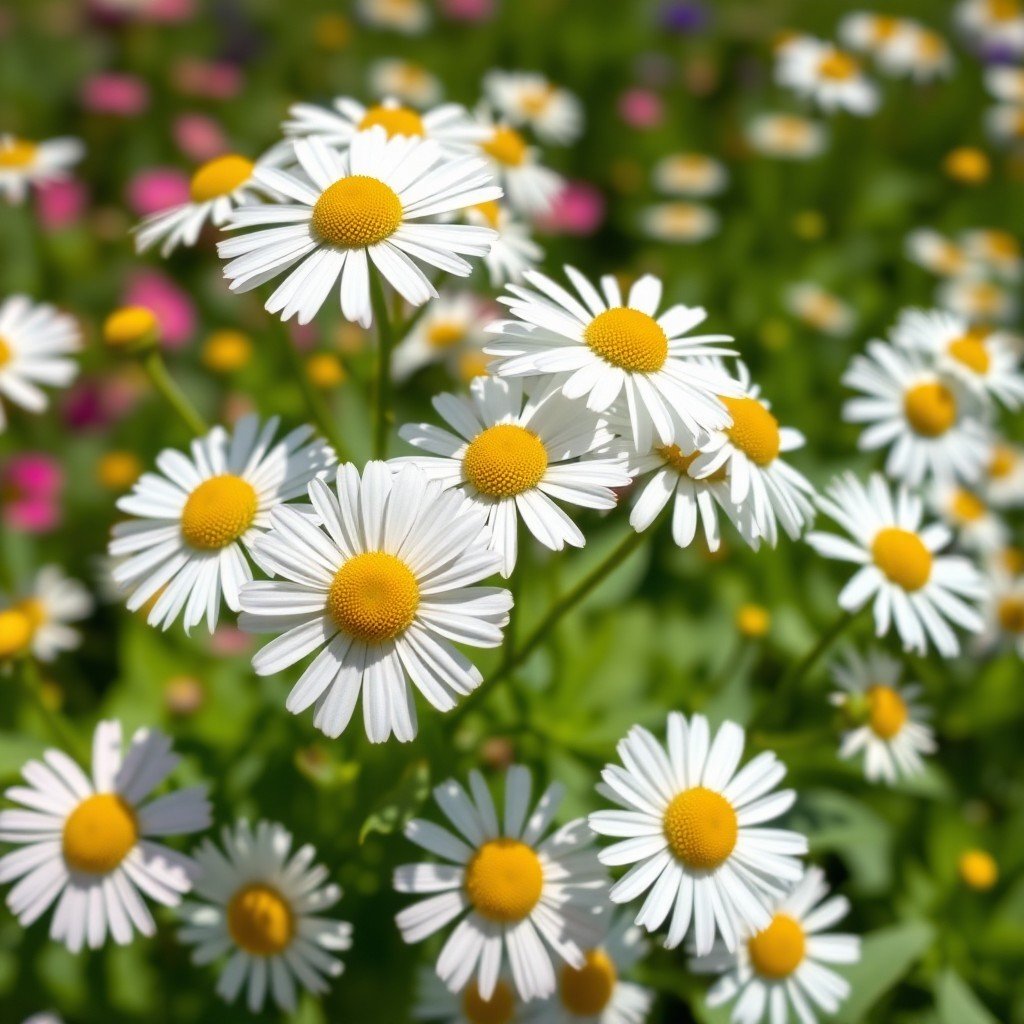
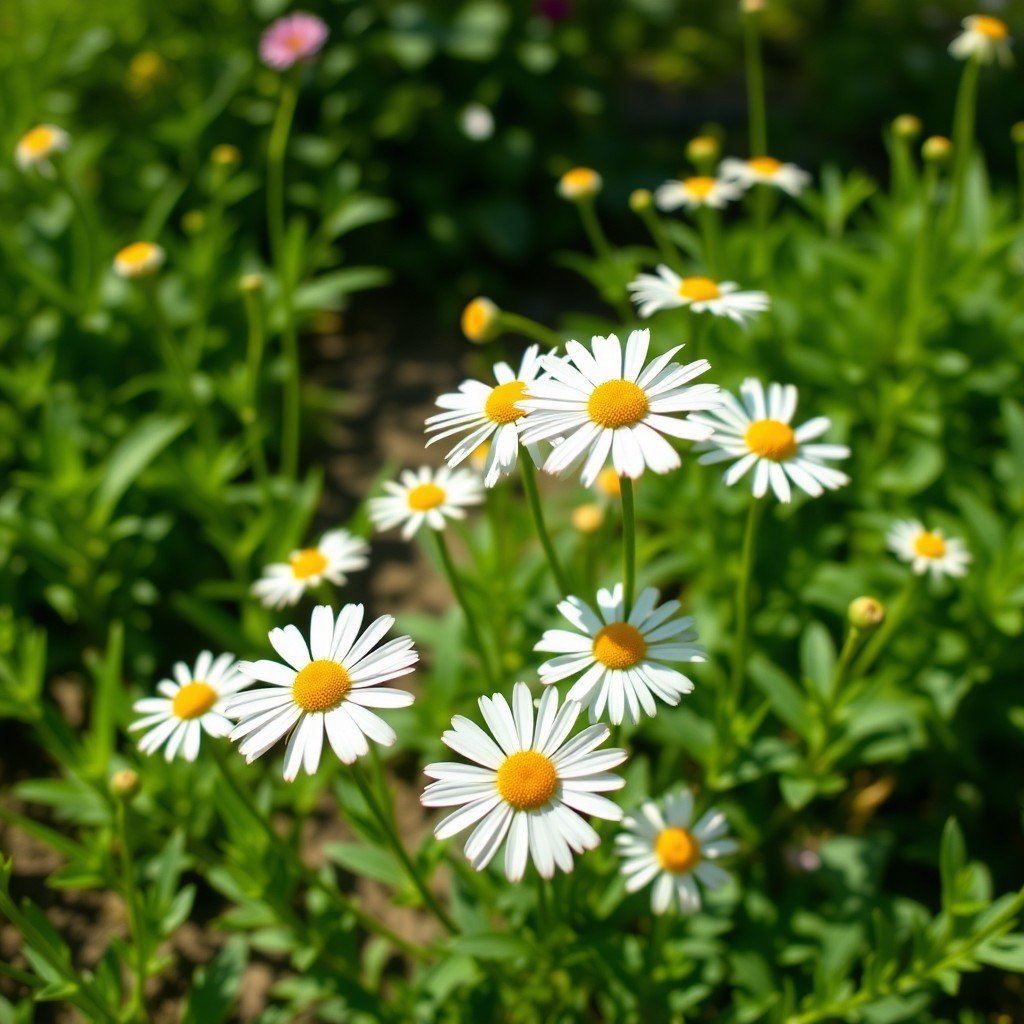
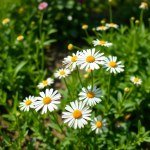
German Chamomile (Matricaria chamomilla) is a graceful annual herb crowned with delicate daisy-like flowers — slender white petals around a raised golden centre — and a sweet, apple-like fragrance that has made it a treasured tea herb for generations. The airy, feathery foliage reaches roughly 30–75 cm tall, and the cheerful blooms are perfect for a soothing herbal infusion or for adding soft beauty to a sunny herb garden.
Planting
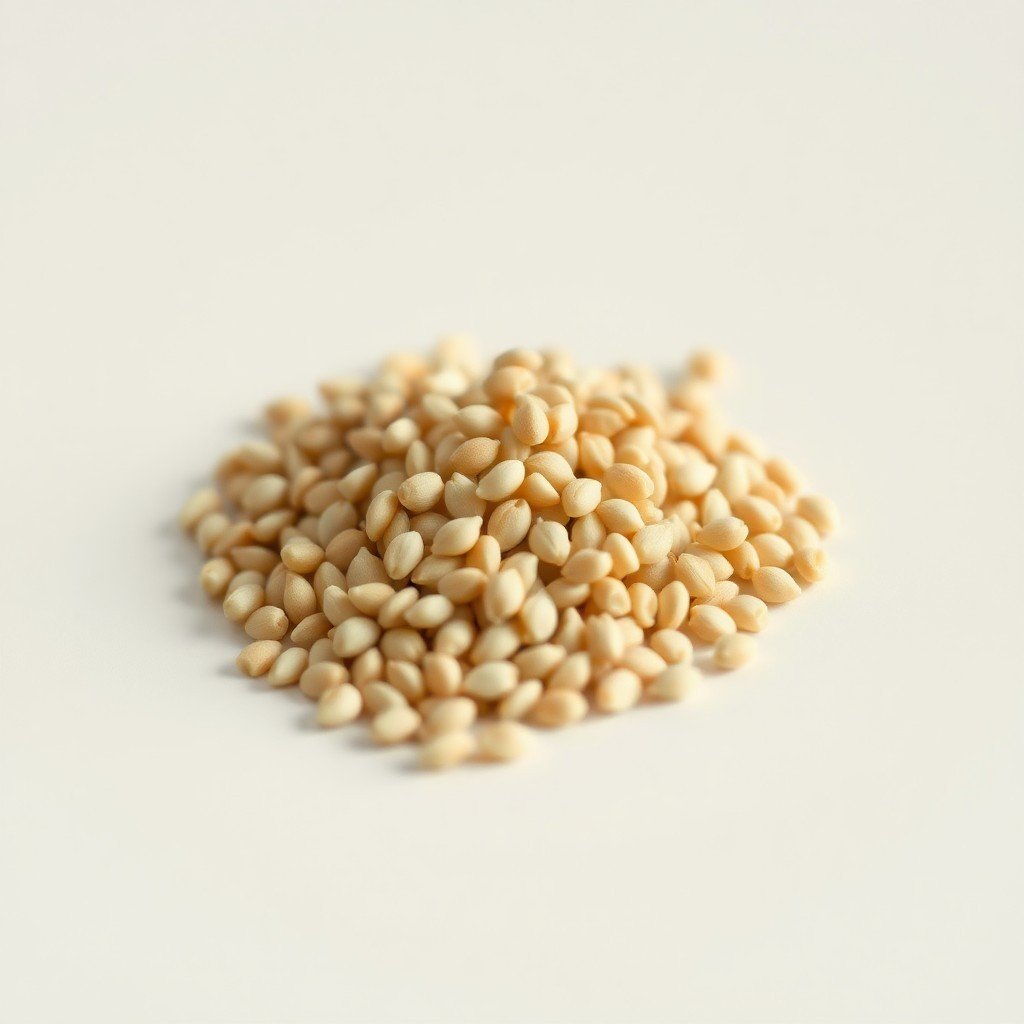
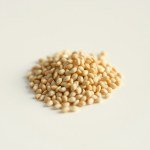
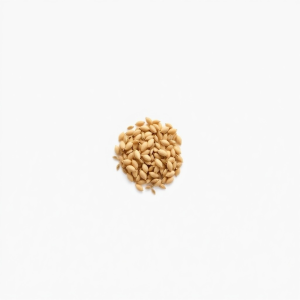
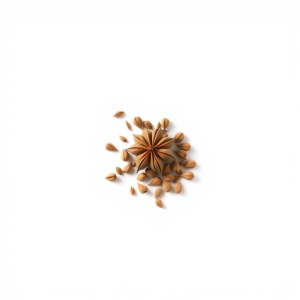
In Egypt, grow chamomile as a winter (Rabi) crop: sow in autumn — from late September into October — once the peak summer heat breaks, in regions like Fayoum, Beni Suef, Minya and Assiut. Surface-sow by pressing the seeds gently onto the soil and leaving them uncovered, as they need light to germinate. With warm, alternating temperatures near 30°C by day and 20°C at night, seedlings emerge in about 10–14 days. Choose a full-sun spot of six or more hours, though it tolerates partial shade. Space plants about 20 cm apart in rows roughly 45 cm apart, thinning direct-sown stands to clusters of 2–3 plants.
Fertilizing
Chamomile is a light feeder that thrives even in poor, well-drained soils. Where fertility is low, work a balanced 20-20-20 N-P-K fertilizer into the bed before sowing or transplanting at about 90 kg per hectare. Avoid over-feeding, since excess nutrients push leafy growth at the expense of the flowers you want to harvest.
Care
Because the roots are shallow, water to keep the upper soil layer moist but never waterlogged. Transplant indoor-started seedlings out when they reach about 2.5–5 cm with 3–4 true leaves. Watch for aphids, the main pest, plus occasional mildew or rust on weak plants. Harvest the flower heads at full bloom, when the petals lie flat or bend back, snipping each flower from the stem; frequent picking keeps blooms coming through spring.