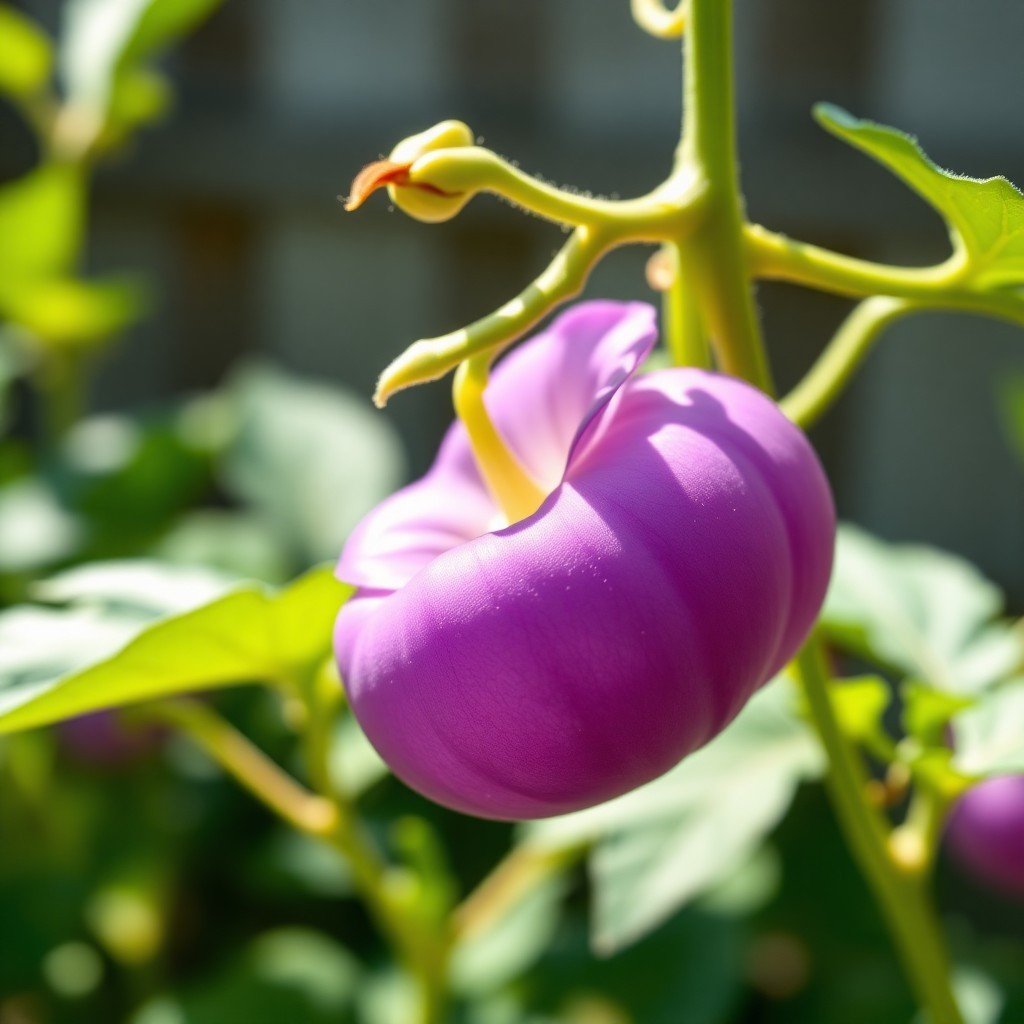
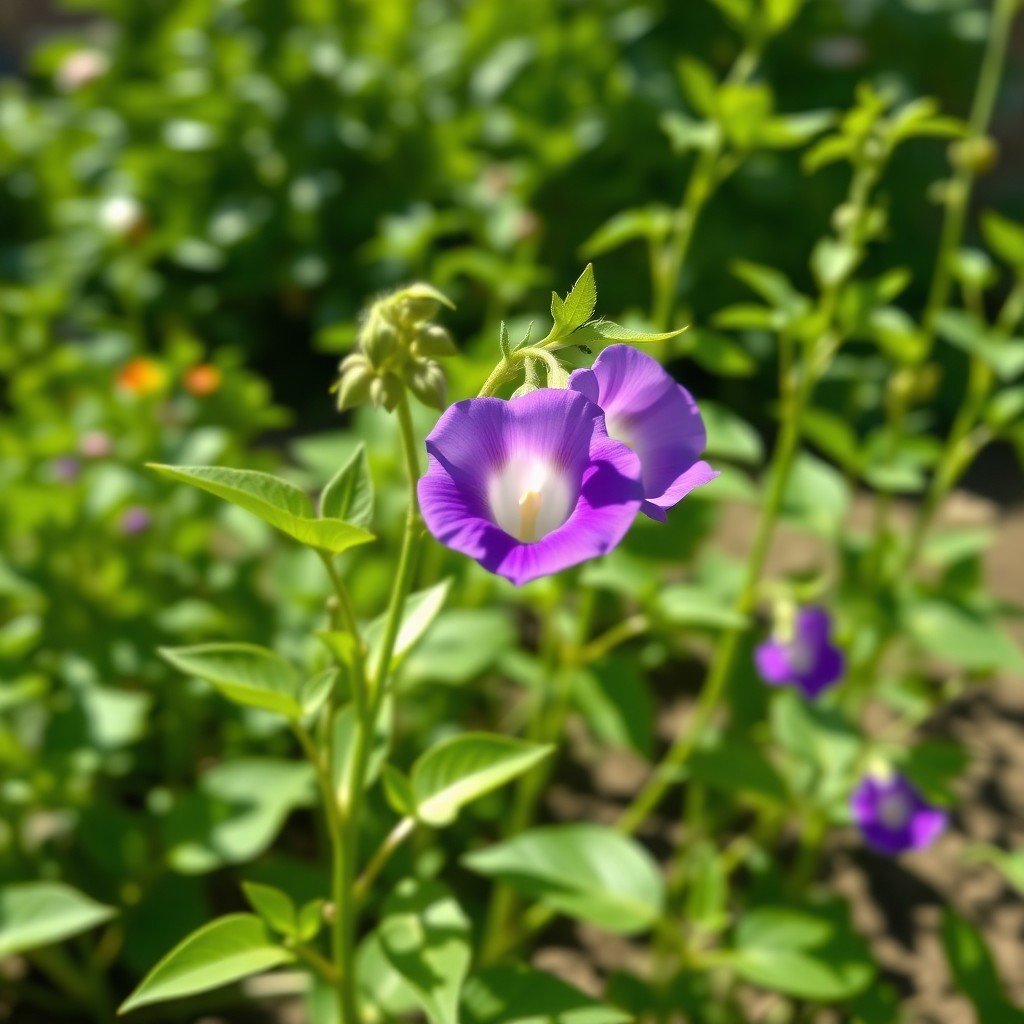
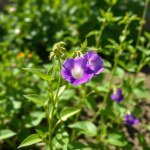
This is the elegant white-flowered form of the Butterfly Pea (Clitoria ternatea) — the same celebrated Thai tea plant, but with pure, ivory-white blooms instead of the classic deep blue. Each pea-shaped flower opens up to about 5 cm across with a soft yellow centre, giving the vine a clean, luminous look that sets it apart from its blue cousin. The petals are prized for a delicate, almost caffeine-free herbal tea that brews to a pale golden tone, and the fast-climbing vine doubles as a graceful ornamental for trellises, fences and garden arches. It is the perfect choice for anyone wanting the famous "Thai tea" experience in a rarer, softer shade.
Planting
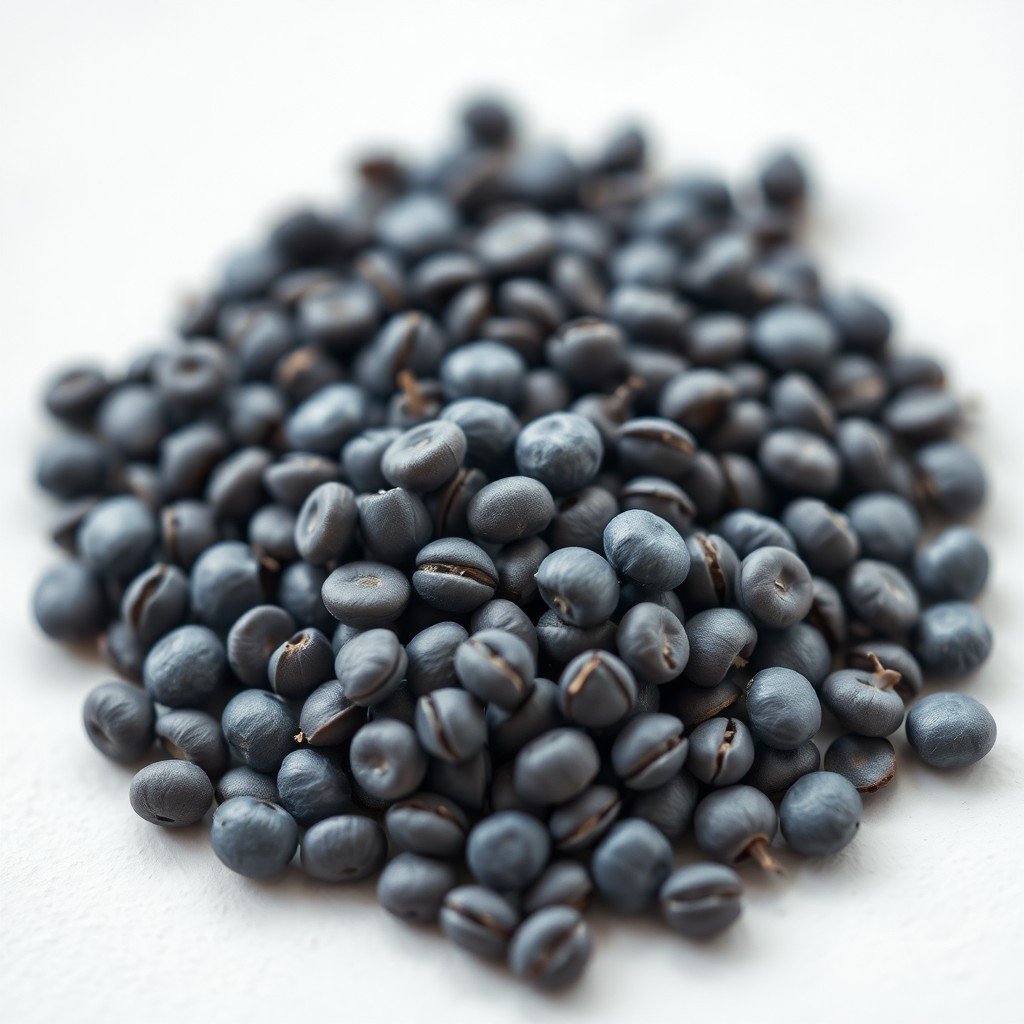
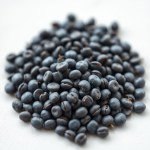
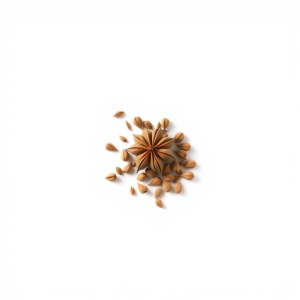
Sow in early spring once the danger of hard frost has passed; in Egypt the recommended window is roughly mid-March to May in the Nile Delta and Lower Egypt, and from about March to April in the warmer Upper Egypt. Treat the plant as a warm-season annual, since it loves heat and is killed or checked by frost. The seeds have a hard coat, so before sowing gently nick the coat with a knife or sandpaper and soak them in warm water for 12 to 24 hours to speed up sprouting. Plant about 2.5 cm deep into warm soil of roughly 18-27 C — avoid cold soil below about 15 C, where germination stalls. Space seeds about 7.5 cm apart, then thin the seedlings to 15-30 cm apart once they emerge. Germination usually takes 10 to 21 days. Because it is a rapidly growing climbing vine that can reach up to about 4.5 m, give it a trellis, fence or other support to climb.
Fertilizing
As a nitrogen-fixing legume, this plant draws its own nitrogen from the air through root-nodule bacteria, so it needs little to no nitrogen fertilizer — it even improves soil fertility as a green-manure crop. On Egypt's sandy and desert soils, phosphorus is the key nutrient to focus on: a field trial in Toshka (Upper Egypt) showed that phosphorus fertilizer significantly improved growth and yield, while nitrogen was not the limiting factor. On soils that lack the right bacteria, inoculating the seed with a cowpea-group rhizobium strain helps the plant establish well.
Care
Give the vine full sun — 6 or more hours of direct sunlight daily, ideally 6 to 10 hours for the best flowering. It prefers consistent moisture in well-drained soil and only moderate watering once established; though it is notably drought-tolerant, avoid waterlogging and overwatering, which cause root rot. It adapts to a wide range of soils, from loam to heavy clay to sand, and tolerates a pH from about 5.5 to 8.9, but it always wants good drainage and benefits from soil rich in organic matter. Watch for whiteflies and spider mites, and stay alert for anthracnose and bacterial soft rot. Expect the vine to cover the ground within about 30 to 40 days of sowing, with white blooms appearing through spring, summer and autumn.