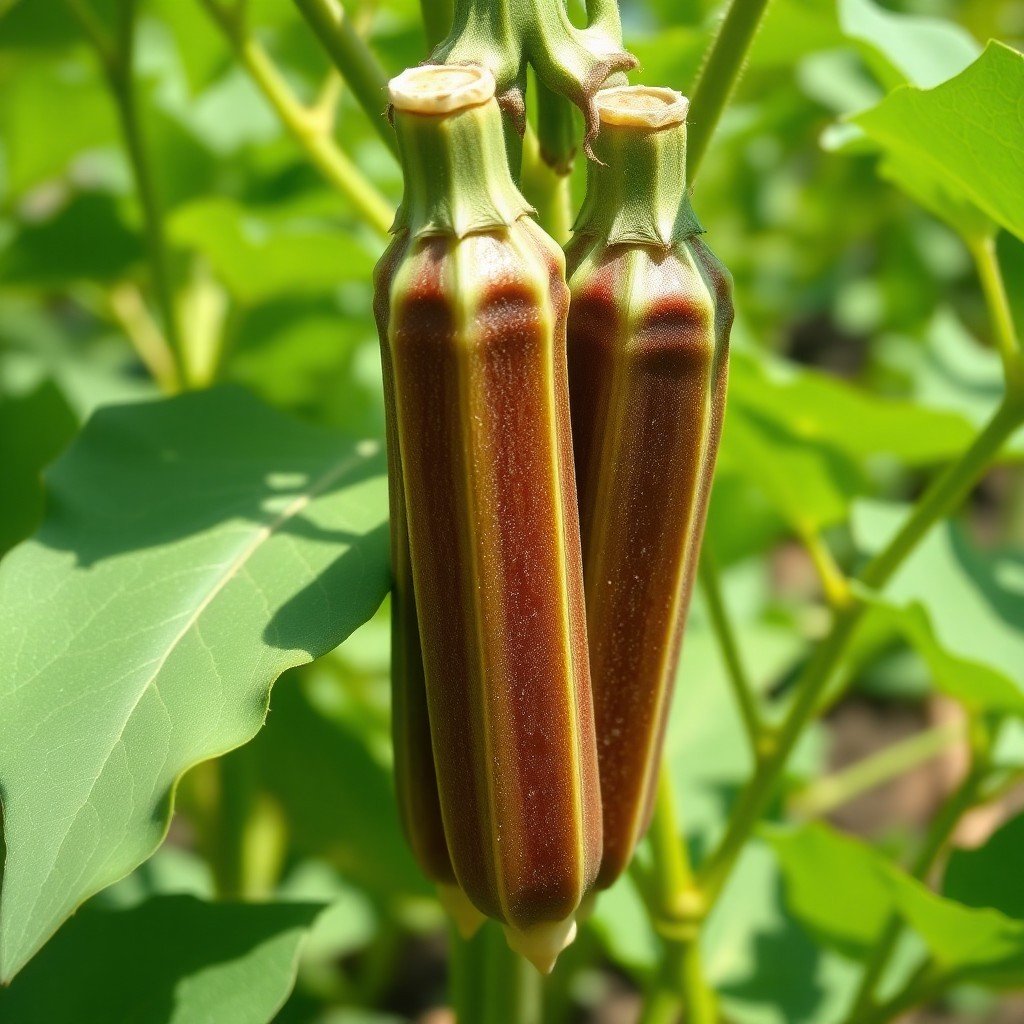
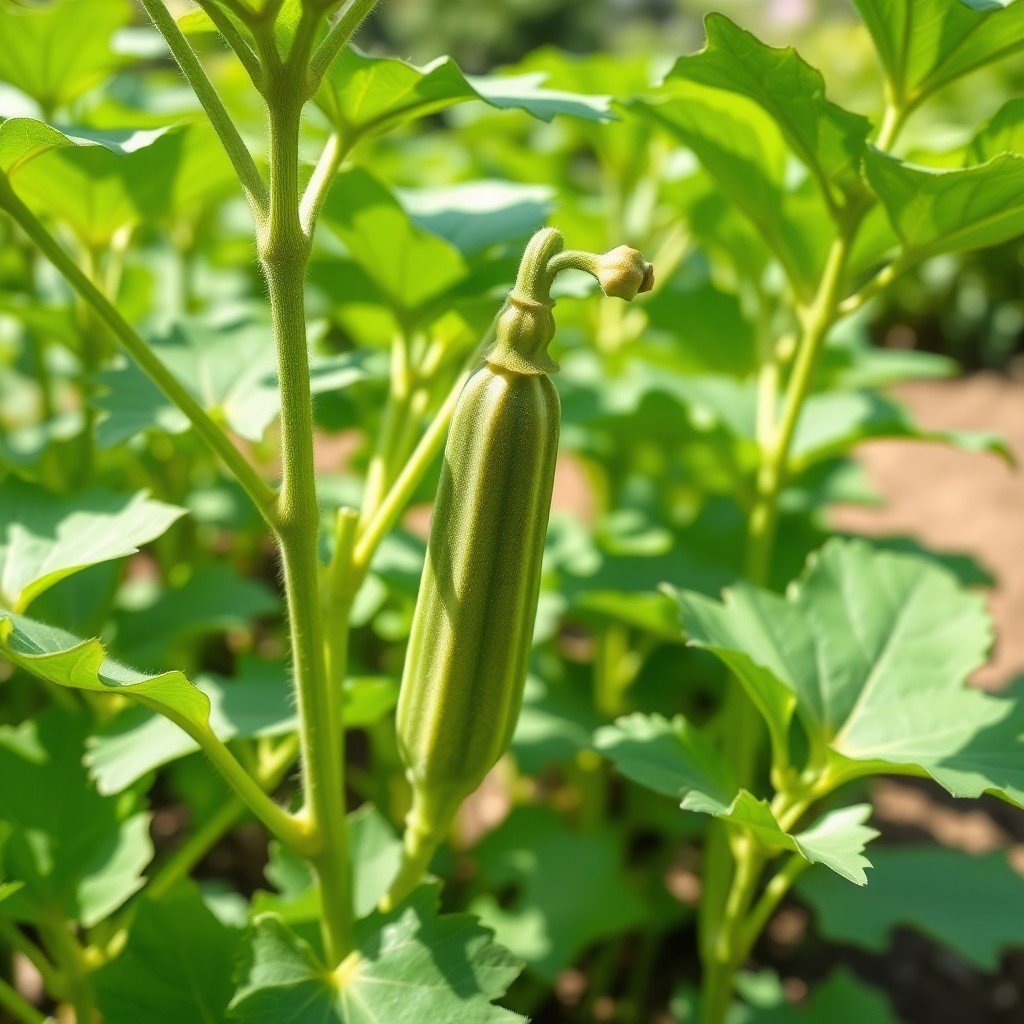
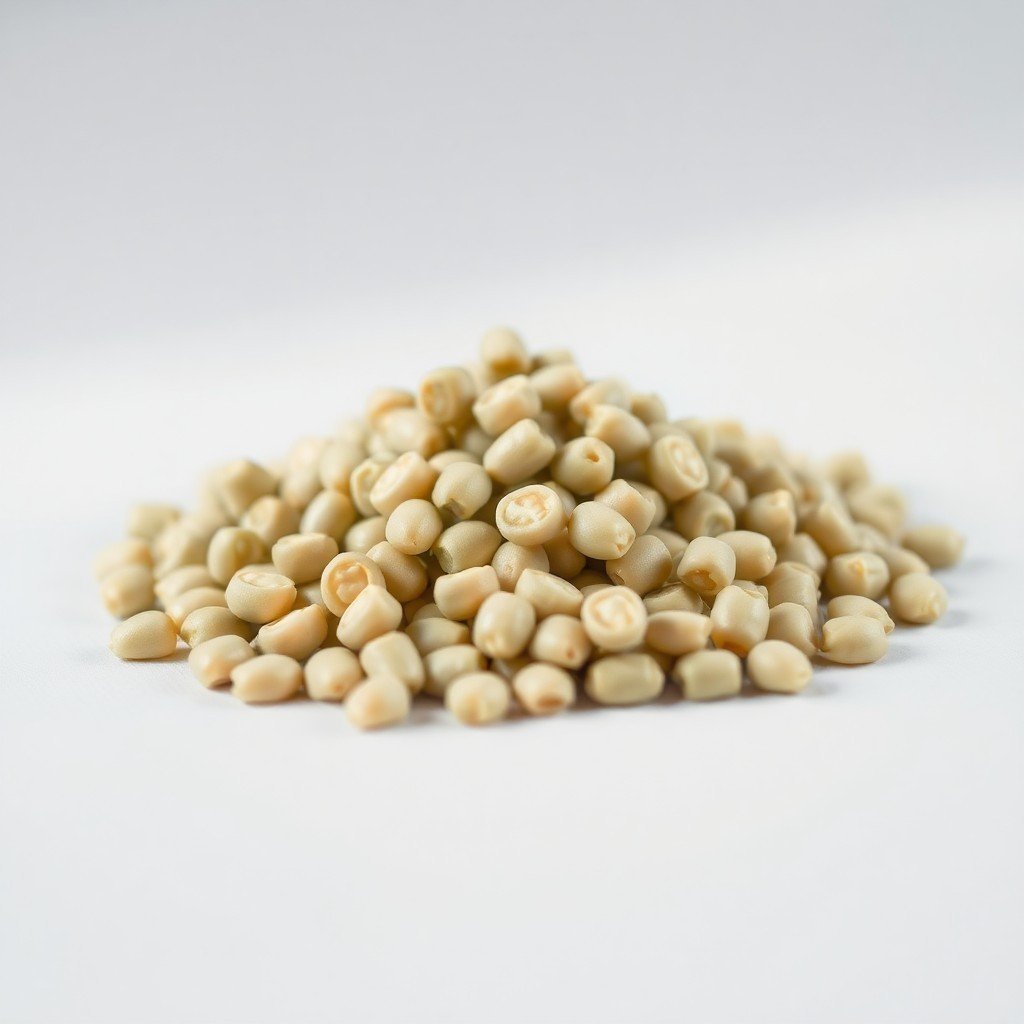
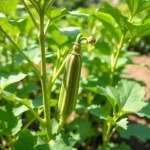
These home-garden okra seeds give you one of the most rewarding warm-season vegetables for an Egyptian kitchen garden. Okra is loved for its slender, ridged green pods that are best picked young and tender, when they have a mild, gentle flavour and the soft, silky texture that thickens classic stews and bamia dishes. Because the plant keeps flowering and fruiting all summer long, a small home patch can keep you in fresh pods for weeks, and the tall, sun-loving plants are handsome enough to earn their place at the back of any bed.
Planting
Okra is a warm-season vegetable that has no frost tolerance, so timing is everything. Direct-sow only after all danger of frost has passed and the soil has warmed: aim for a soil temperature of at least 18 C (and ideally 21 C) measured at about 10 cm depth, which gives a uniform stand. The optimum soil temperature for germination is 21 to 35 C, and seed generally comes up in about 7 to 14 days, fastest when the soil is toward 27 to 32 C. Soaking the seed in water for several hours, or overnight, softens the hard seed coat and speeds germination. Sow about 2 cm deep when direct-seeding outdoors (around 1.3 cm if you prefer), spacing seeds along the row and keeping rows roughly 0.9 to 1.8 m apart. In Egypt this means sowing once spring soil has warmed: in the Nile Delta and Lower Egypt, direct-sow mainly from mid-March through April, with a second sowing possible in May to June for a long picking season into the warm summer. In Upper Egypt the soil warms sooner, so sowing can start from late February into March and continue through spring. Avoid the cool, damp November to February period, when cold soil causes poor, uneven germination and seedling-killing root-rot problems.
Fertilizing
Okra appreciates a steady supply of nutrients but resents too much nitrogen, which pushes leafy growth at the expense of flowers and pods. Work a complete fertilizer into the bed before planting, for example a 10-10-10 blend at a modest rate, and keep the soil rich but not overfed. Once the plants are established and starting to bear, side-dress them: a first feed when plants are about 15 to 20 cm tall and another two to three weeks later works well, or you can side-dress with calcium nitrate at around three to four weeks and again at six to eight weeks, as the plants begin flowering and fruiting. Timing the feeds to coincide with flowering and pod set keeps the plants productive without running to leaf.
Care
Give okra full sun; aligning rows east-to-west helps the plants capture the maximum light. Keep the soil uniformly moist down to about 15 cm. During dry spells, give a deep soaking of roughly 2.5 to 4 cm of water once every 7 to 10 days, and in the hot, arid conditions of Upper Egypt water more generously than that baseline. Always water at ground level, under the foliage, and do it early so the leaves and pods dry quickly, which helps keep disease down. When direct-sown seedlings are a few centimetres tall, thin them to their final spacing of about 45 to 60 cm apart (30 to 45 cm is fine for closer planting). Watch for the usual okra pests such as flea beetles, Japanese beetles, blister and cucumber beetles, corn earworm, stink bugs and aphids; the most serious problems are root-decay diseases that kill young seedlings, plus root-knot nematode, Southern stem blight, and Fusarium or Verticillium wilt, all of which are kept at bay by warm soil at sowing and good drainage. Okra is usually ready about 60 to 70 days after planting. Harvest the pods while young and tender, at roughly 5 to 8 cm long (up to 8 to 10 cm if you like), and pick at least every two days, because the pods grow very fast: if you let them mature on the plant they turn tough and fibrous and production slows down.