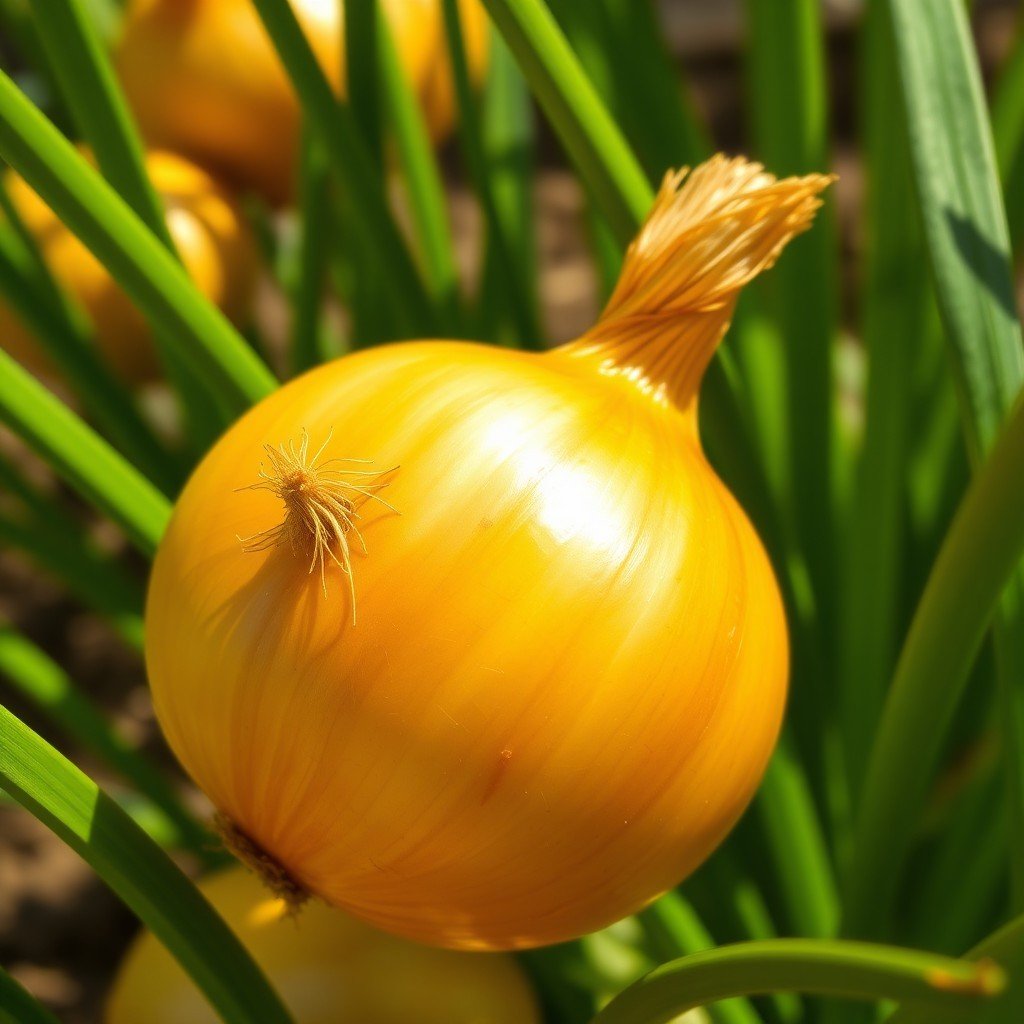
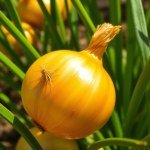
The Golden Onion is the dependable kitchen workhorse, prized for its rounded bulbs wrapped in papery, golden-amber skin over firm, crisp, white flesh. Raw, it carries a bold, pungent bite, while slow cooking coaxes out a deep, savoury sweetness that forms the base of countless Egyptian dishes — from stews and tagines to the foundation of a rich onion sauté. With its tight, well-formed bulbs and tough outer skins, this golden variety is also a good keeper, storing well after curing so the harvest lasts long beyond the season.
Planting
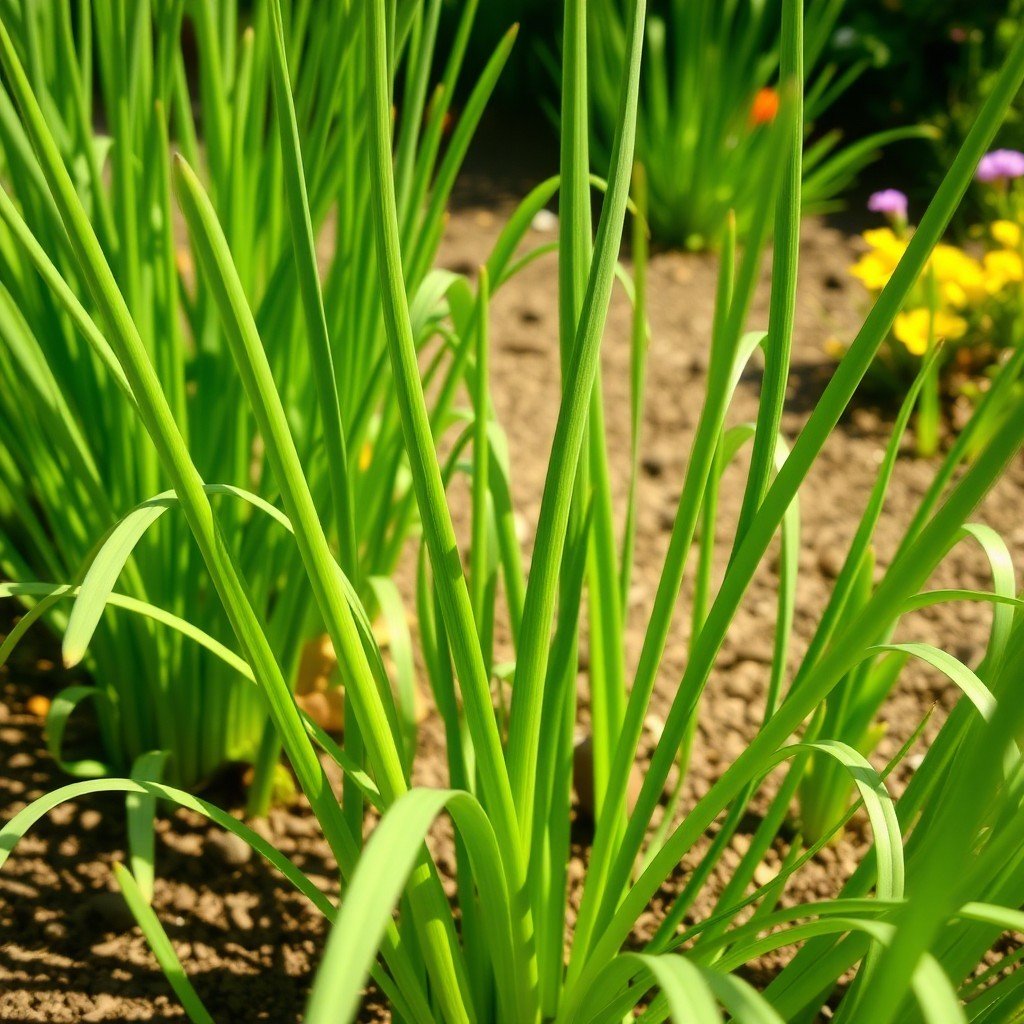
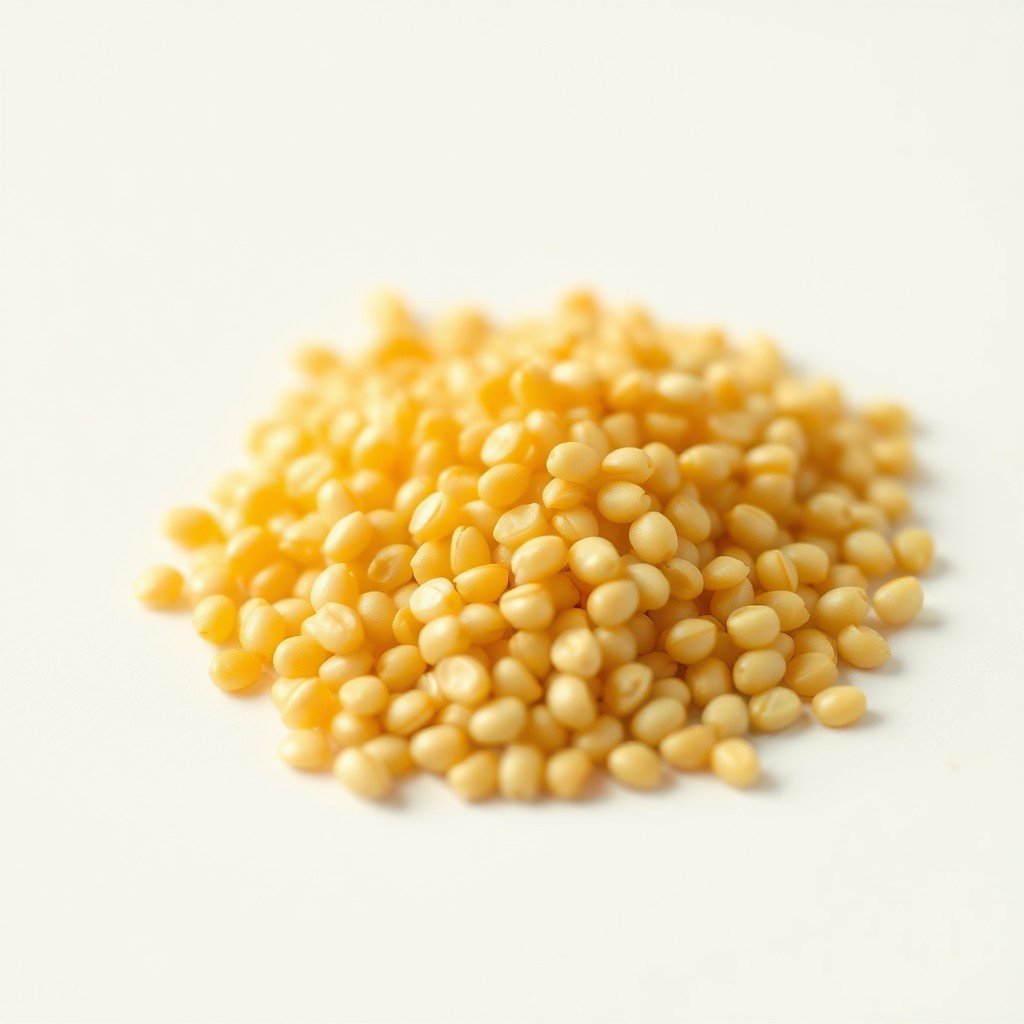
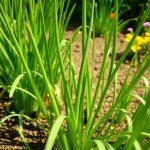
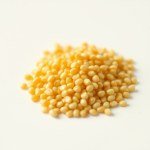
Onion is a cool-season crop. In Egypt the practical method is nursery sowing: start seed in a nursery bed in autumn and transplant pencil-thick seedlings once they are ready. When direct-seeding outdoors, sow 0.6-1.3 cm deep; for seed started indoors, sow about 1.9 cm deep, with RHS advising roughly 1.3 cm. Germination is best at a soil temperature of 15-25 C, with seedlings usually emerging in about 2-3 weeks (15-25 days depending on soil warmth). Because Egypt sits at a low latitude, choose a short-day variety — bulbing here is triggered at only about 11-12 hours of daylight, while long-day types would grow leaves and never form a bulb. Give onions full sun for best growth, and space final plants 7.6-10 cm apart in rows 20-46 cm apart; wider in-row spacing produces larger bulbs, while closer spacing yields smaller ones. Set transplants about 5 cm deep.
Fertilizing
Aim for a soil pH of 6.0-7.0 with plenty of organic matter. Before planting, work fertilizer into the top 15 cm or so and apply phosphorus and potassium according to a soil test. Through the growing period, side-dress with nitrogen to support steady leafy growth. Once bulbing begins, stop applying nitrogen — too much late nitrogen delays bulb maturity and can leave you with soft bulbs.
Care
Keep the soil consistently moist, near field capacity, giving about 2.5 cm of water per week and wetting down to roughly 30 cm depth; the whole season needs around 350-550 mm of water. Onions are most sensitive to water shortage during bulb enlargement (about 60 days after transplanting) and at transplanting, so don't let them go dry then. Once bulbs reach full size and the tops begin to fall, stop watering. Thin direct-seeded onions to 7.6-10 cm apart before they crowd or start to bulb. Watch for onion thrips and onion maggot among the pests, and for diseases such as neck rot, basal/Fusarium rot, pink root, downy mildew, purple blotch and white rot; since thrips wounds open the door to purple blotch, avoid excess nitrogen and rotate your crop to keep disease down. Harvest when about half the tops have fallen over and dried, the necks have softened, and papery outer skins have formed — yellowing and toppling foliage is the sign that the bulbs are ready.