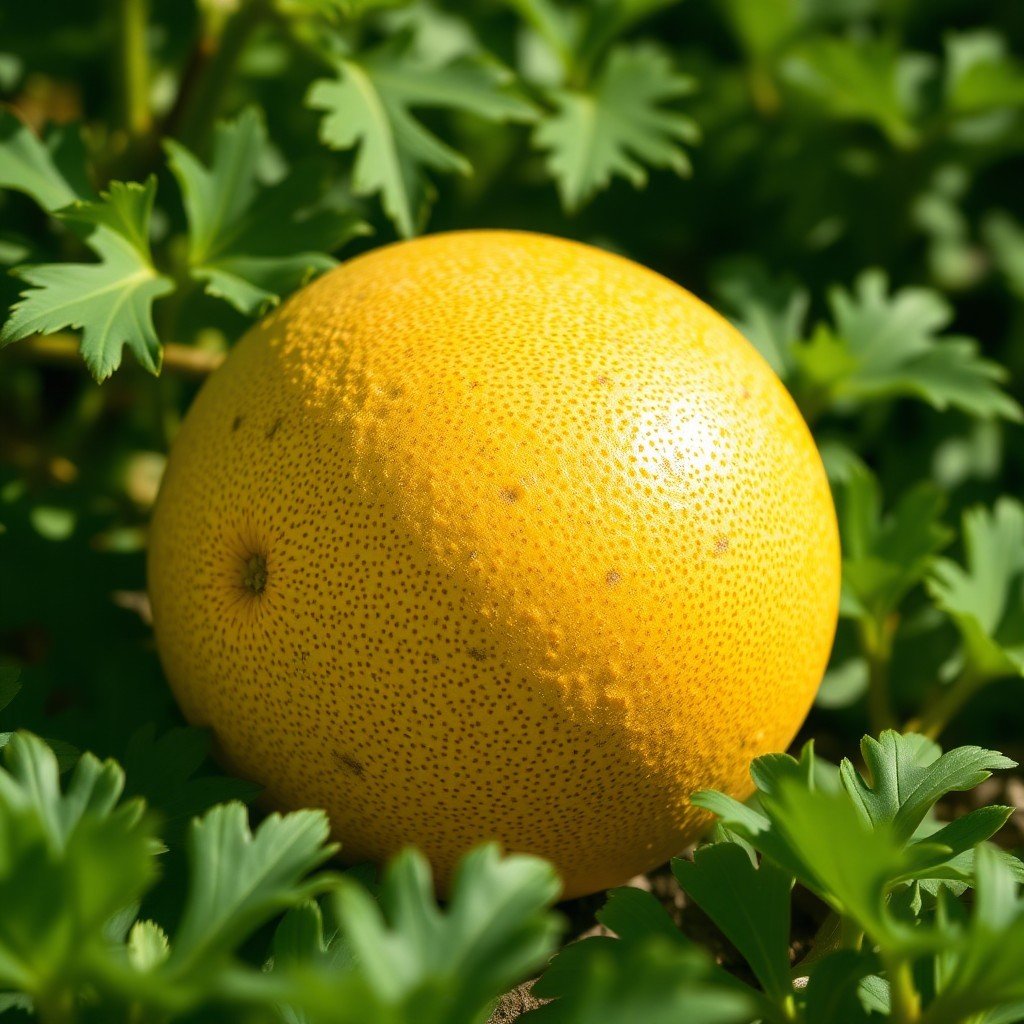
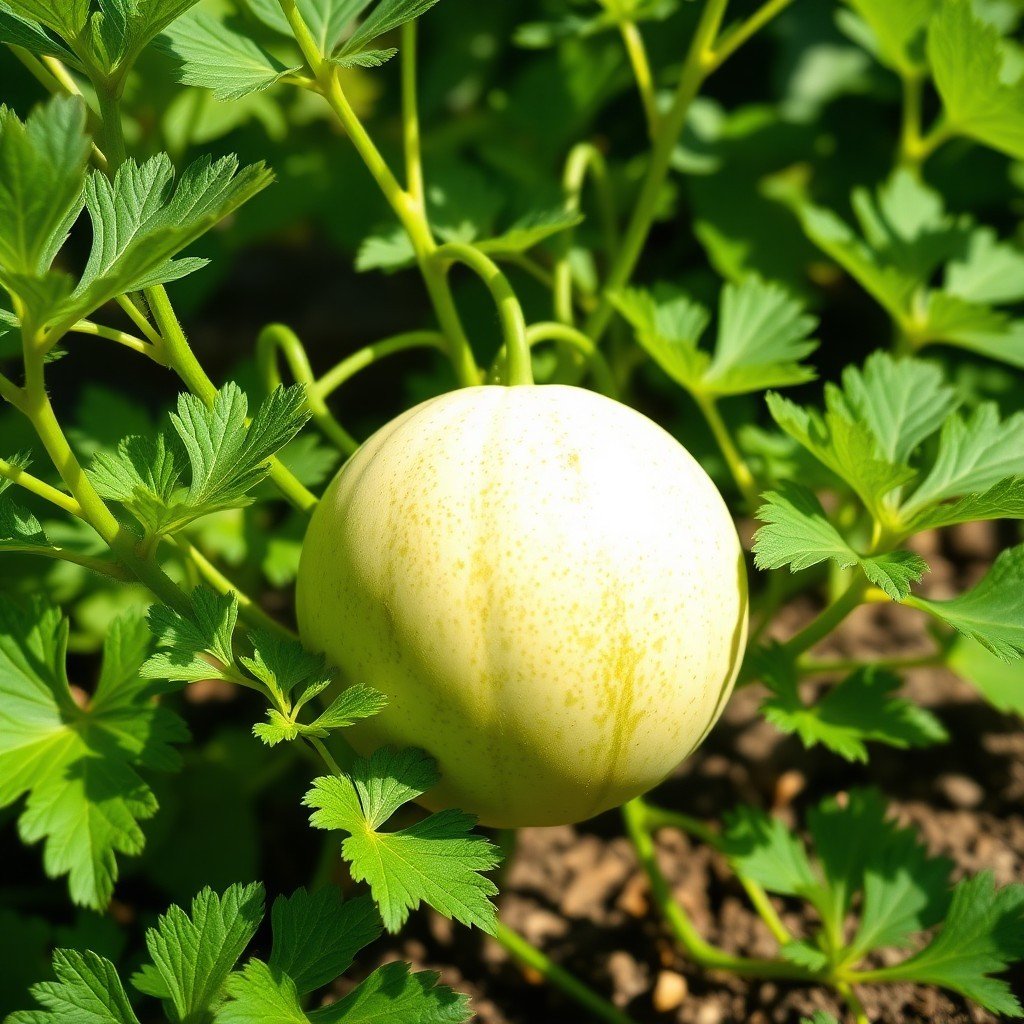
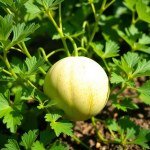
Cantaloupe is the melon that announces itself by smell before you ever cut it open. As the fruit ripens, the netted, coarse rind turns from green to a warm yellow-tan and the whole plant fills the air with a sweet melon fragrance. Inside, the juicy orange flesh is prized for its honeyed flavour, which makes it a favourite for fresh slices, chilled fruit salads, breakfast plates, and refreshing summer juices. Because cantaloupe does not keep ripening after it is picked, growing your own lets you harvest each melon at its peak of sweetness, something you rarely get from the market.
Planting
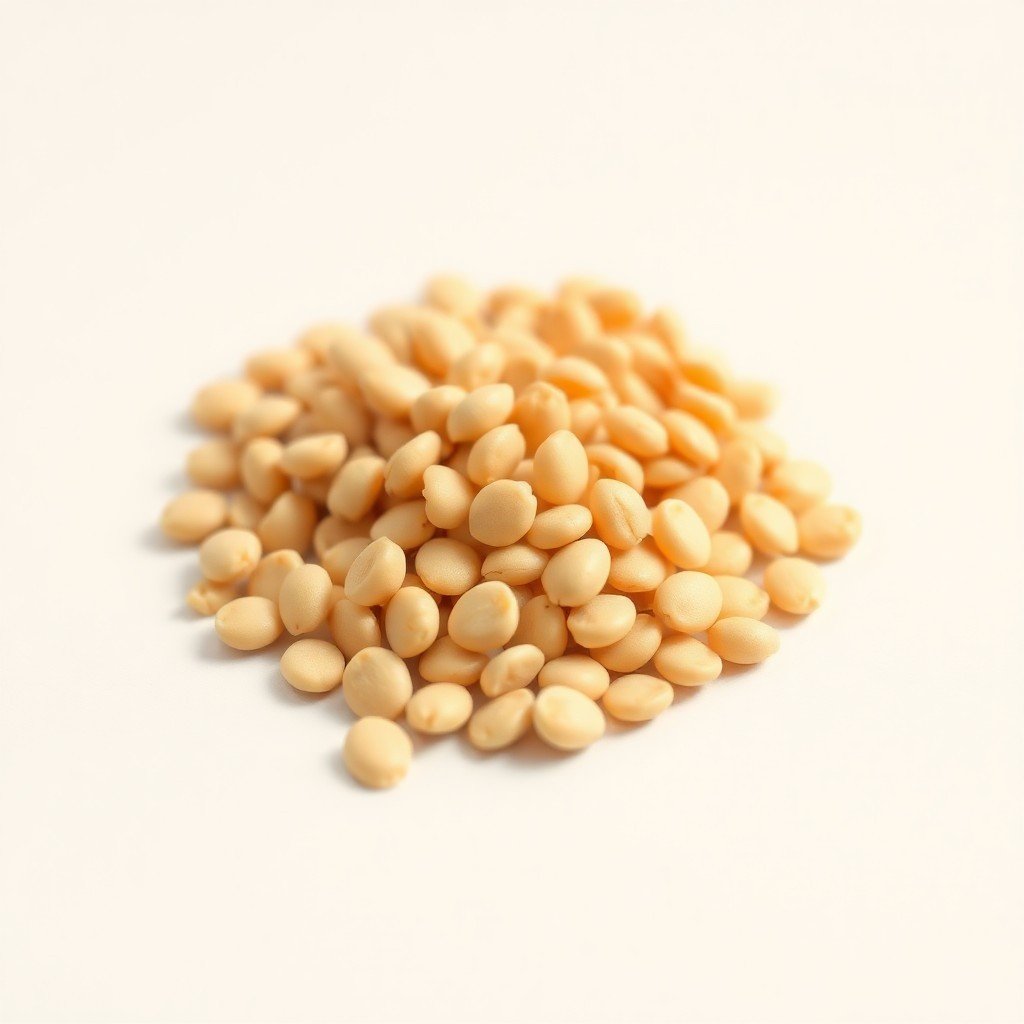
This is a warm-season crop, so wait until the cold has fully passed before sowing. Direct-sow outdoors only once the soil has reached at least 18 C and the nights are warm; in cooler conditions you can start seeds indoors 4 to 6 weeks ahead and transplant out 1 to 2 weeks after the last frost. Set the seeds about 1.5 cm deep (anywhere from 1.3 to 2.5 cm is fine), or 0.5 to 1.5 cm for indoor modules. Sow them in groups of 2 to 3 in hills spaced 45 to 60 cm apart, with rows 1.5 to 2.4 m apart; give trailing plants at least 90 cm of room, or 45 cm if you train them up a support. Warmth speeds everything up: at a soil temperature of 21 to 32 C the seeds germinate in about a week, usually 5 to 10 days. In Egypt, the Nile Delta and Lower Egypt (Cairo, Alexandria) do best sown or transplanted from late February through April, once the cold winter nights below 12 C have passed, for harvests from late May through July; a shorter late-summer sowing in August to early September can give an autumn crop in milder Delta areas. Upper Egypt (Aswan, Luxor, Minya) has warmer winters that allow earlier sowing from late January through March. Aim to set fruit before the harshest May to August heat, and avoid sowing so late that flowering lands in the peak July and August heat, when temperatures above about 35 C reduce fruit set and pollination.
Fertilizing
Cantaloupe feeds steadily but dislikes too much nitrogen, which pushes leafy vines at the expense of fruit. Before planting, work a low-nitrogen fertilizer such as 5-10-10 into the bed at roughly 1.5 kg per 100 square metres. When the vines begin to run, sidedress with nitrogen (about 0.5 kg of 34-0-0 per 30 m of row), then sidedress a second time after bloom as the fruit begins to set. If you are growing in containers or under cover, give a general liquid feed every 10 to 14 days and switch to a high-potassium feed once the fruits reach walnut size.
Care
Plant in full sun in a hot, sunny spot, with a minimum of 6 hours of direct sunlight a day, though 8 to 10 hours is better. Water consistently, giving about 2.5 to 5 cm a week and keeping the soil evenly moist to roughly 15 cm depth; drip or soaker hoses watering in the morning keep the foliage dry and help prevent disease, which matters in humid Delta conditions where water is scarce. As the fruit matures, ease off the water to concentrate the flavour and stop the melons from splitting. After the seedlings emerge, keep only the strongest 1 to 3 plants per group and remove the rest; transplant out gently when they have 3 to 4 true leaves, since melons resent root disturbance. Pinching the growing tip after about 5 leaves encourages more side-shoots. Watch for striped and spotted cucumber beetles (which spread bacterial wilt), squash vine borers, squash bugs, spider mites, and aphids; floating row covers exclude pests early on but should come off at flowering so bees can pollinate. Keeping the foliage dry by watering at the base also helps fend off powdery and downy mildew, anthracnose, and other fungal troubles. Your melons are ready about 35 to 45 days after the flowers are pollinated: a ripe cantaloupe slips cleanly from the stem with a light twist, its netting turns coarse, the background colour shifts from green to yellow-tan, and it gives off that unmistakable sweet melon scent.