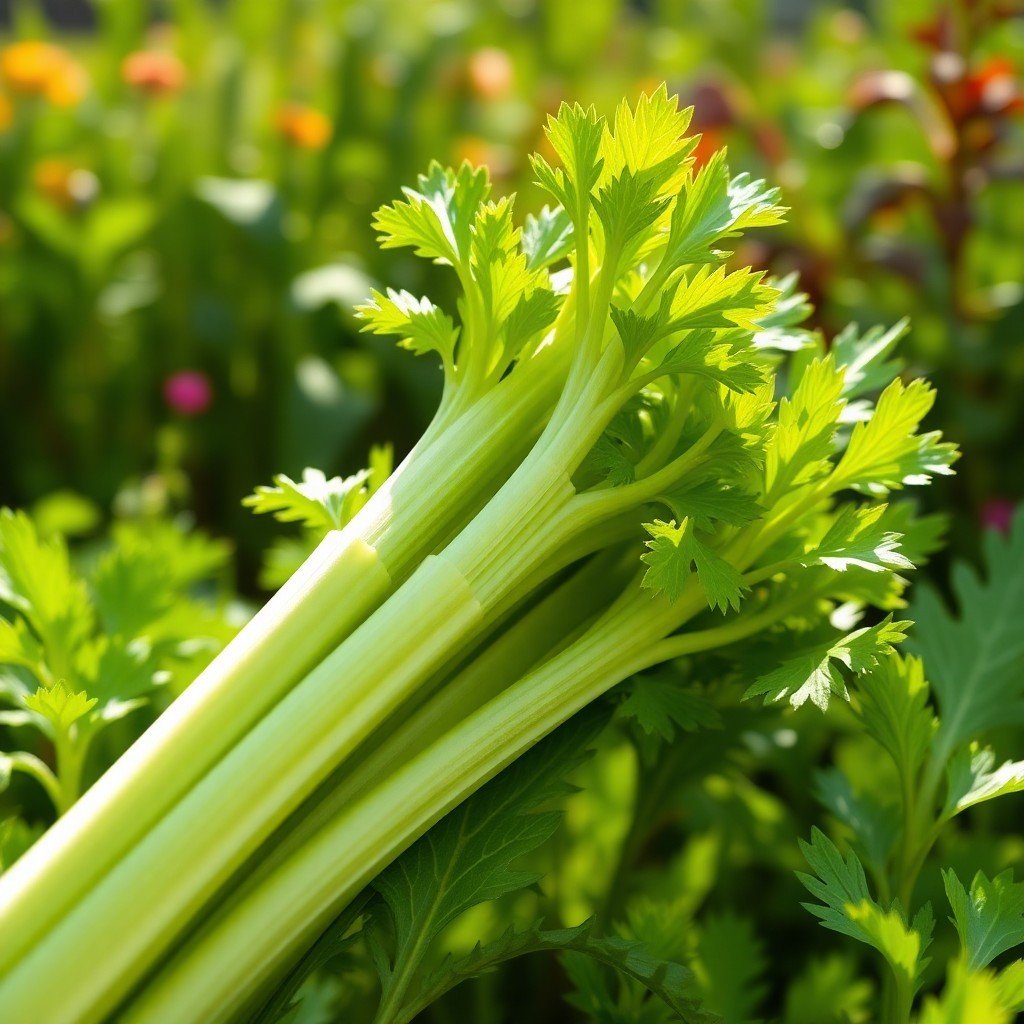
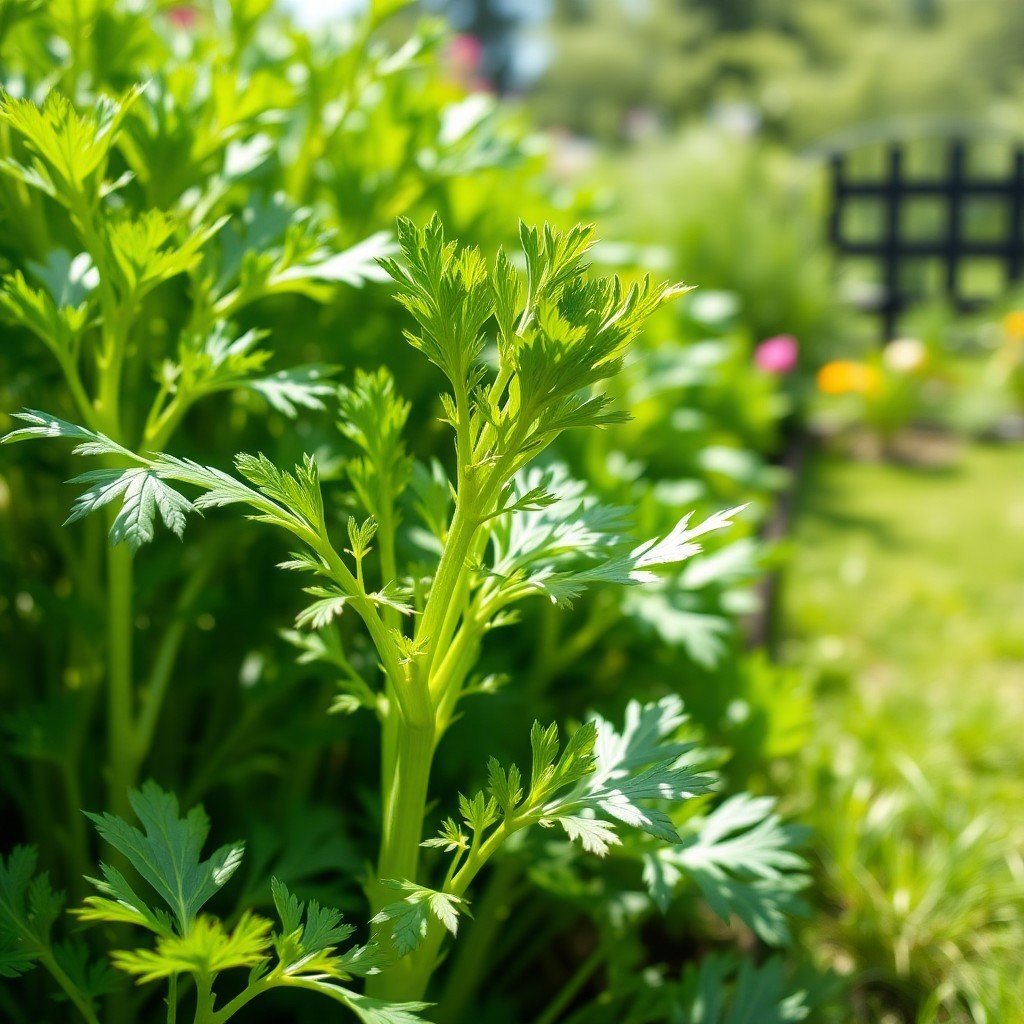
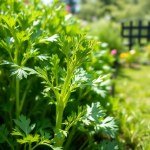
Baladi celery (Apium graveolens var. secalinum) is the leafy, intensely aromatic type long loved in Egyptian kitchens. Unlike the thick-stalked dulce celery, it forms clusters of slender green stalks crowned with abundant fragrant foliage, giving a deeper, more concentrated celery flavour and aroma. The leaves and fine stalks are ideal for soups, stews, molokhia-style greens, stocks, and fresh salads, where a little goes a long way.
Planting
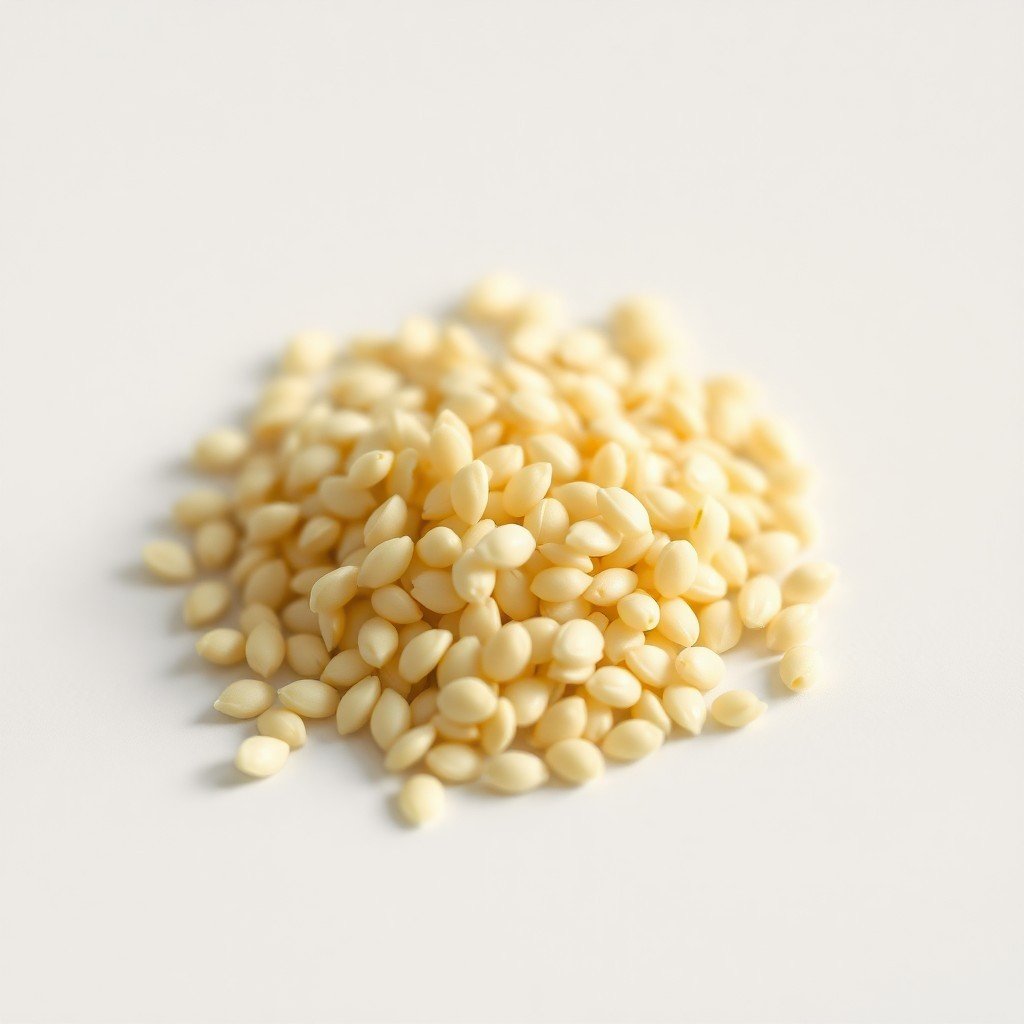
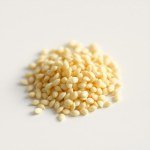
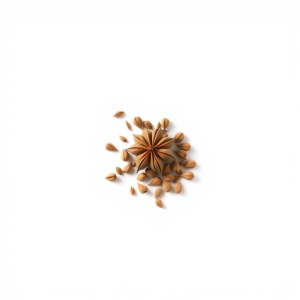
In Egypt this is a winter crop: sow seed in the nursery during July-August (or January-February for a spring crop). Scatter seed thinly on the surface and barely cover it, about 3 mm deep, as it needs light to germinate. Germinate at roughly 21-24°C, then hold near 16-21°C; emergence is slow and takes about 2-3 weeks. Start in trays about 10-12 weeks before transplanting, pot on into individual ~7.5 cm modules, keep seedlings above 10°C, then transplant about 1.5-2 months after sowing, spacing plants 15-20 cm apart.
Fertilizing
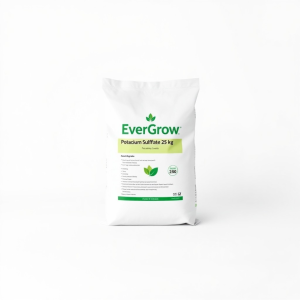
Work a complete high-potassium fertilizer (such as 4-4-8) into the bed before planting. Sidedress with nitrogen (21-0-0) about 4 and 8 weeks after transplanting, then stop feeding once stalks form to avoid splitting. Egyptian practice adds ammonium sulfate, superphosphate, and potassium sulfate in two doses around 3 and 5 weeks after planting, along with well-rotted manure.
Care
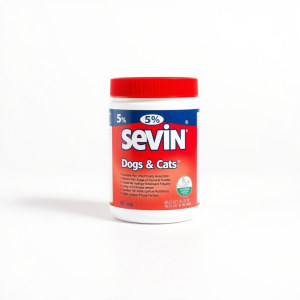
Give celery full sun and a fertile, well-drained soil rich in organic matter. As a shallow-rooted crop the stalks are about 95% water, so the soil must never dry out: supply about 25-50 mm of water weekly and soak thoroughly. Watch for aphids, carrot rust fly, leafhoppers, and cutworms, plus blights, powdery mildew, and blackheart, which steady moisture and calcium prevent. Harvest about 10-12 weeks after planting, once outer stalks reach 30 cm but before they turn pithy or hollow, giving a January-March crop.