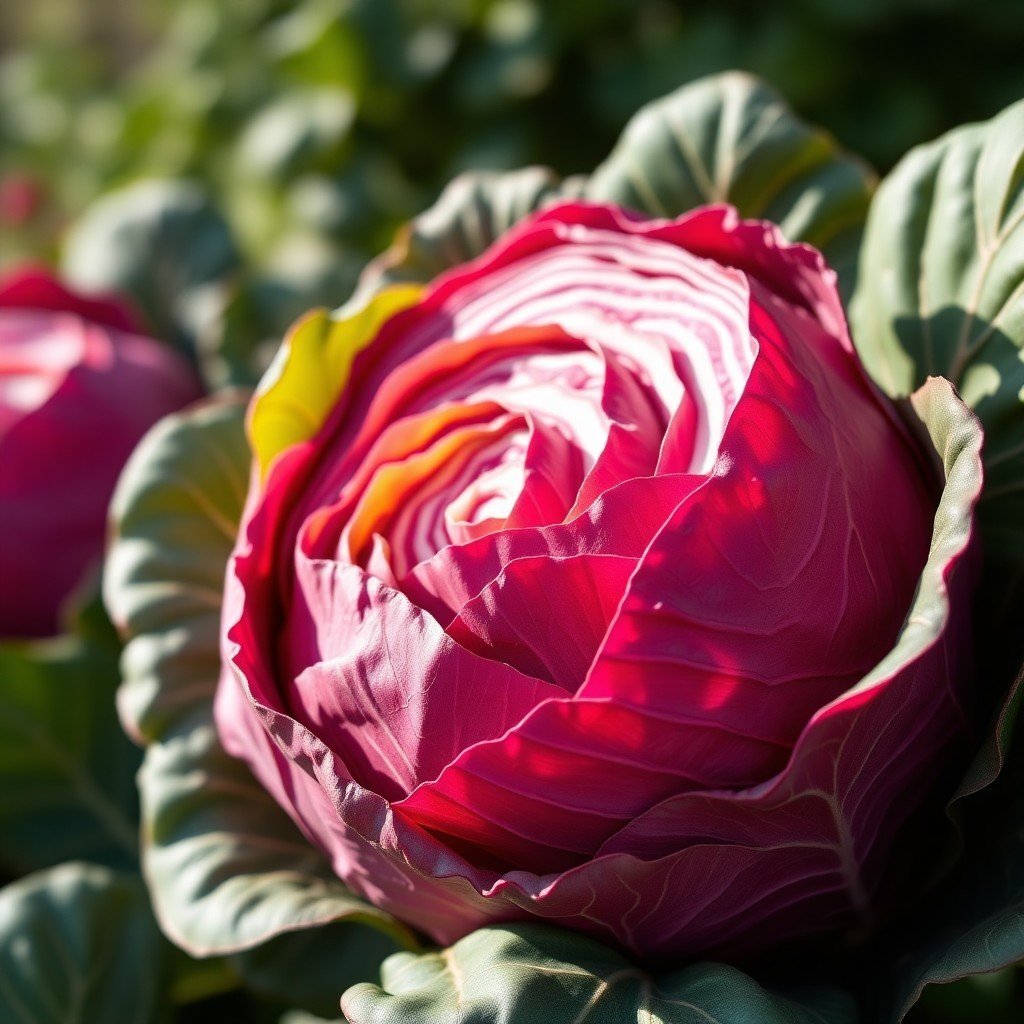
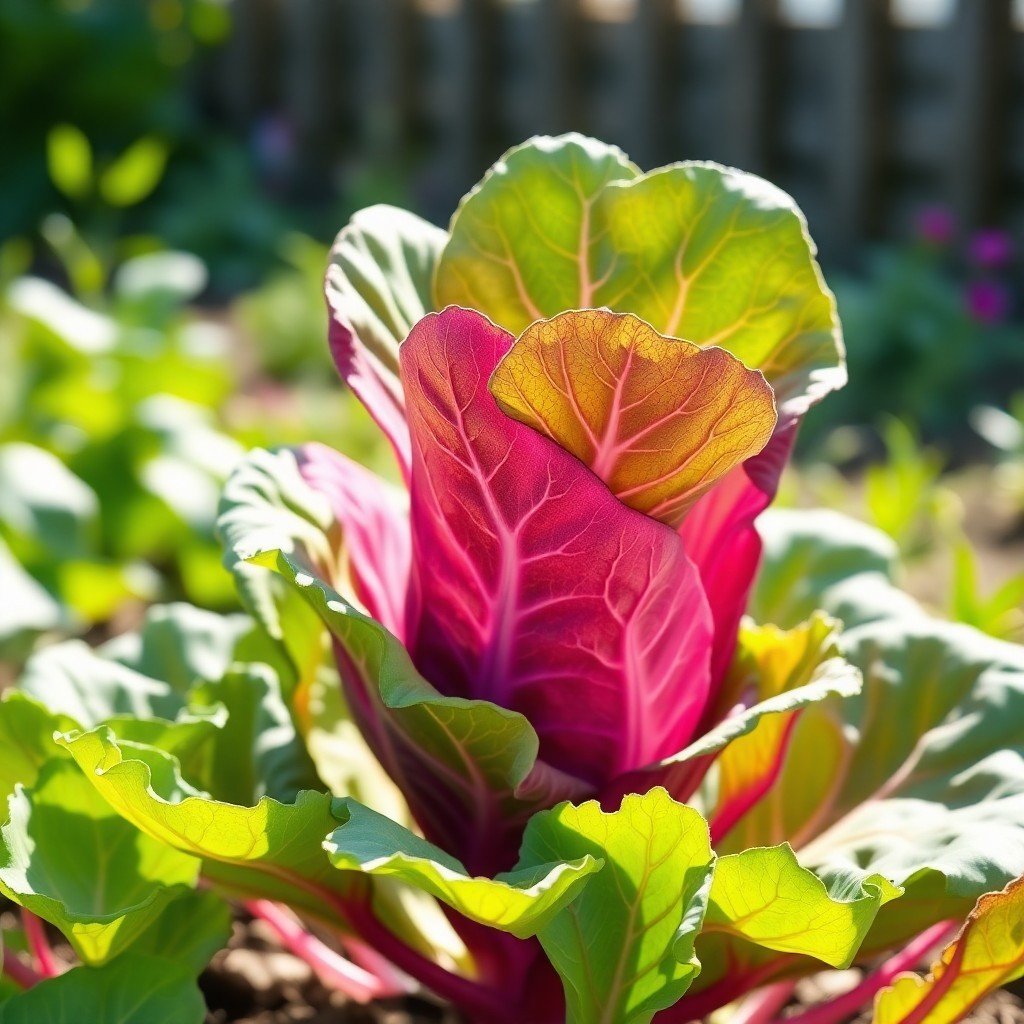
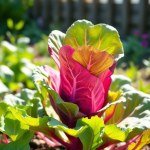
Red cabbage brings a bold splash of deep purple-red to the garden and the kitchen. Its tightly packed, round heads hold crisp leaves with a slightly peppery, faintly sweet bite that mellows when cooked and turns a brilliant ruby colour when pickled or braised. Raw, the firm leaves shred into colourful, long-lasting slaws and salads; cooked, they hold their shape and their colour better than green types, making this homegrown variety as much an ornamental feature in the bed as it is a workhorse on the plate.
Planting
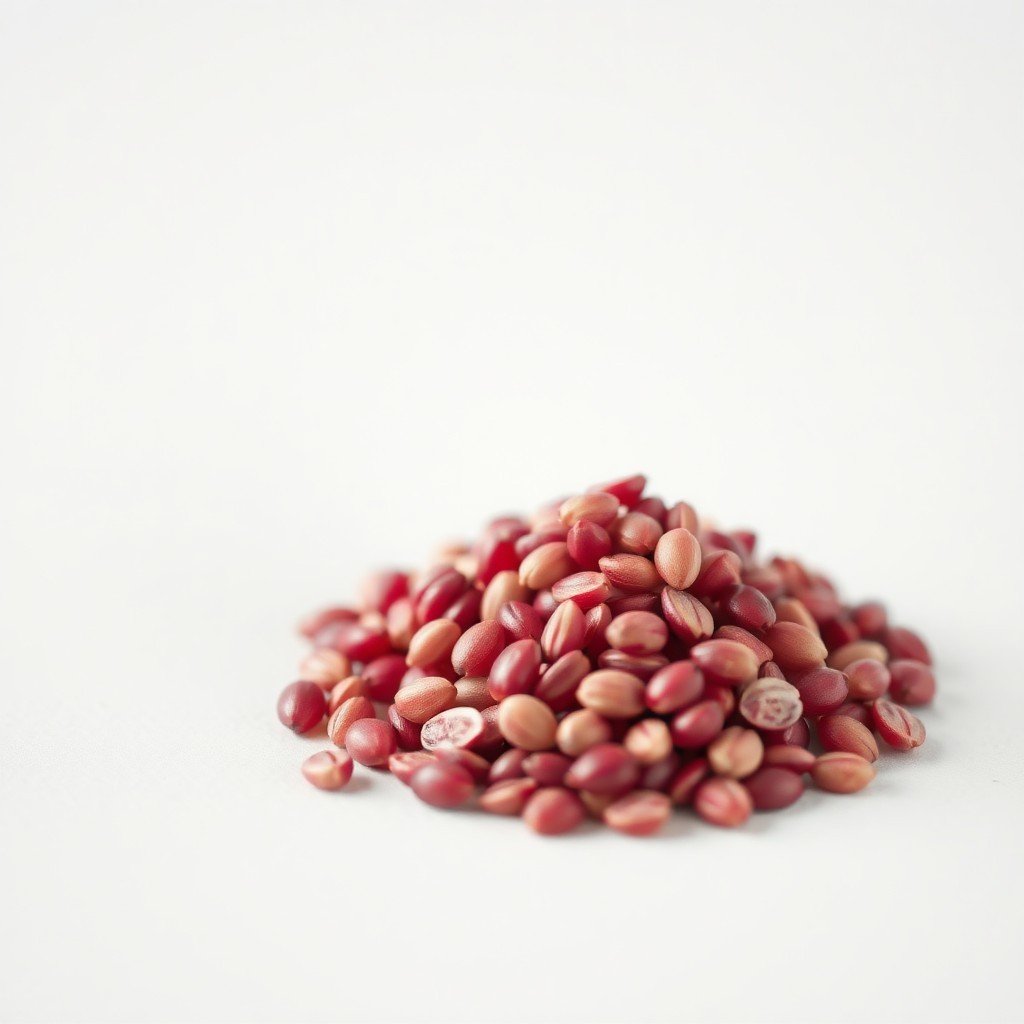
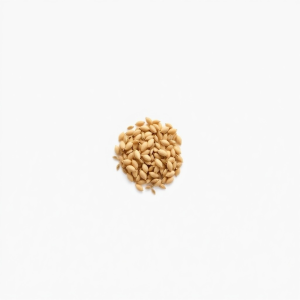
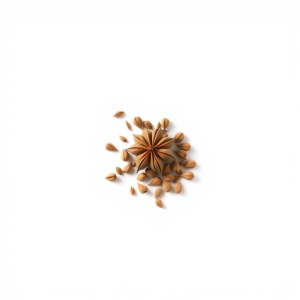
Red cabbage is a cool-season crop, so time it for the cooler months. You can start seed indoors about 4 to 6 weeks before transplanting in early spring, or sow directly for a fall crop. Sow about 1 cm (1/2 in) deep in modules or indoors, and about 2 cm (3/4 in) deep when sowing outdoors in a drill. Germination is best where the soil sits at roughly 10-29 C (50-85 F); seedlings emerge in about 15 days at 15 C, 9 days at 20 C, and just 6 days at 25 C. Indoors, normal room temperature of about 16-21 C with bright light gives the strongest early growth. Give plants a sunny site, as cabbage grows best in full sun but will tolerate light shade for part of the day. Transplant the seedlings out after about five weeks, once they stand 10-15 cm (4-6 in) tall with five or six true leaves, spacing compact plants about 30 cm apart and larger ones up to 45 cm apart, in rows roughly 60-75 cm apart.
Fertilizing
Feed with a nitrogen-rich fertiliser once the plants have settled into their final position but before they begin to form heads. A practical approach is to side-dress with nitrogen about 2 to 3 weeks after transplanting, when the plants are well established. Go easy with nitrogen late in the season, though, because a heavy late feed can cause the heads to split.
Care
Keep the soil steadily moist, giving about 2.5-4 cm (1 to 1.5 in) of water per week; during dry spells, a thorough soaking roughly every 10 days suits established plants. Watch for the usual cabbage pests, including cabbage caterpillars (imported cabbageworm, cabbage looper, diamondback moth), cabbage root fly, flea beetles, mealy cabbage aphid, whitefly, and slugs and snails. The main diseases to guard against are clubroot, black rot, and Alternaria leaf spot. Harvest when the head is firm and has reached a usable size: cut it with a sharp knife once it feels solid and its base is about 10-25 cm (4-10 in) across. Heads mature in roughly 60-100 days from transplanting, or about 70-120 days from seed, depending on the variety.
Growing in Egypt
Cabbage develops best at about 15-20 C and bolts or fails to head in sustained heat, so in Egypt it is a winter vegetable rather than a summer one. Raise transplants from late August through October and set them out from September to November, so the heads fill out during the cool months of November to February. In the Nile Delta and Lower Egypt (Cairo, Alexandria, Beheira), the mild winter is ideal: a main sowing in September-October gives a December-February harvest, and a later November sowing also works since frost is rare. In Upper Egypt (Asyut, Sohag, Luxor, Aswan), push the schedule slightly later and sow October-November so heading falls in the coldest part of the season. Avoid a spring crop that would head after February-March, as rising heat brings loose heads, splitting and bolting.