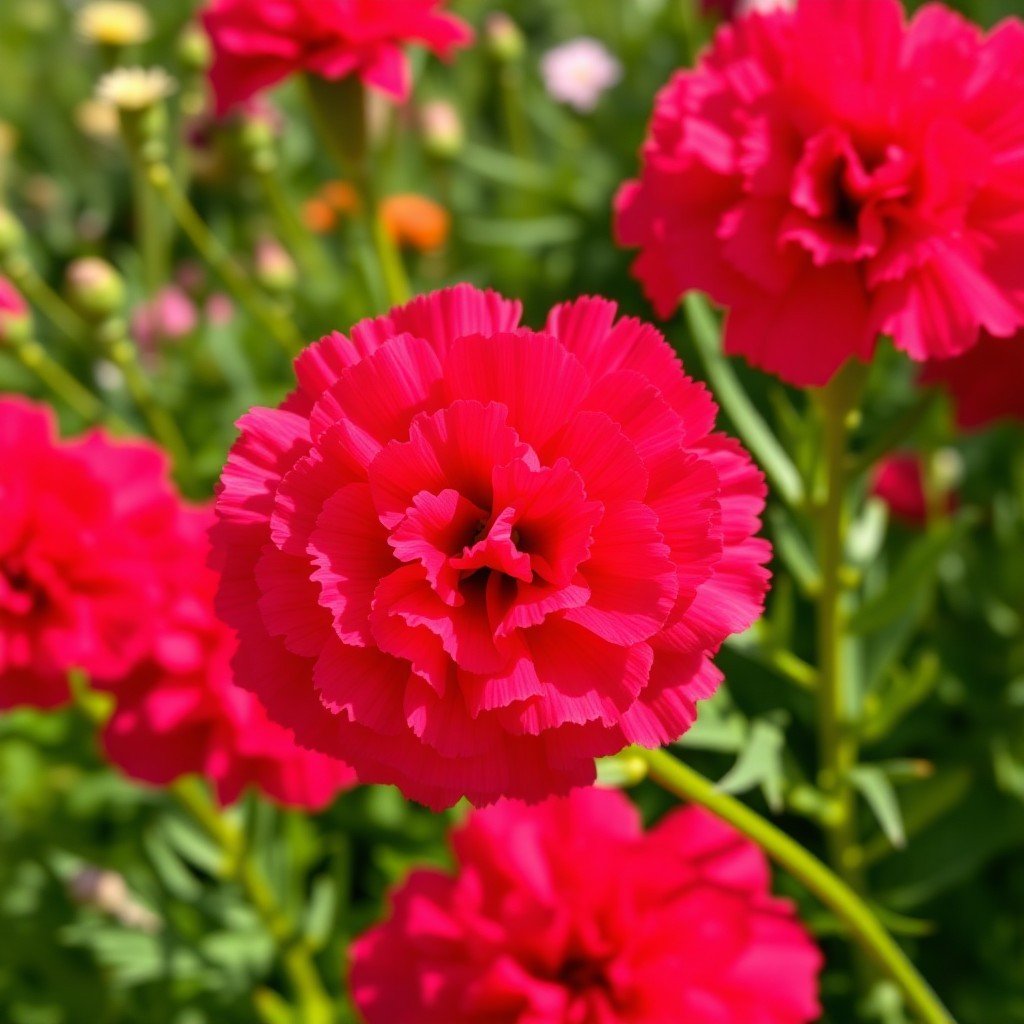
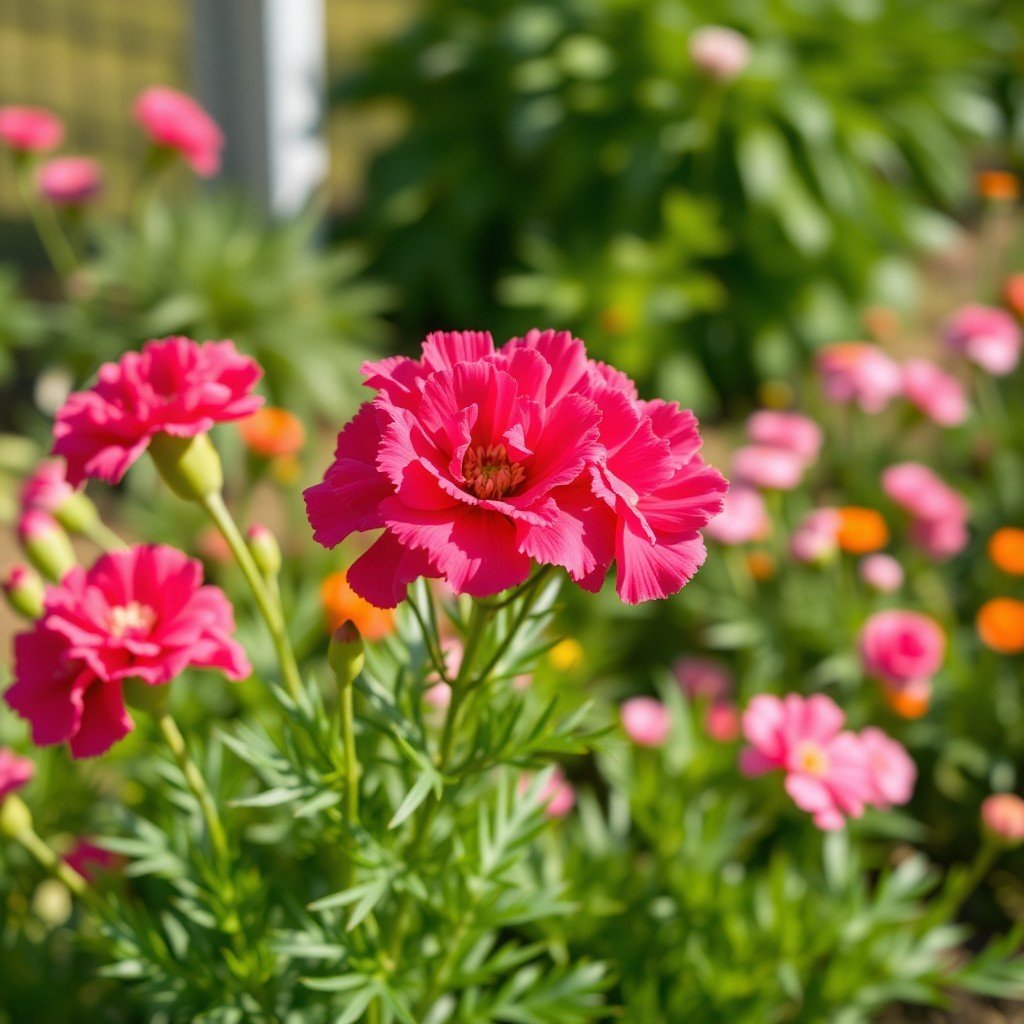
The carnation (Dianthus caryophyllus) is one of the most beloved cut flowers in the world, prized for its ruffled, many-petalled blooms and its unmistakable warm, clove-like fragrance. Border carnations open in summer with that classic spicy scent, and with regular picking they keep flowering prolifically right through the season. Plants reach about 0.5 to 1 metre tall, though some garden varieties stay more compact at around 30 to 45 cm, making this a versatile flower for borders, containers and the vase alike.
Planting
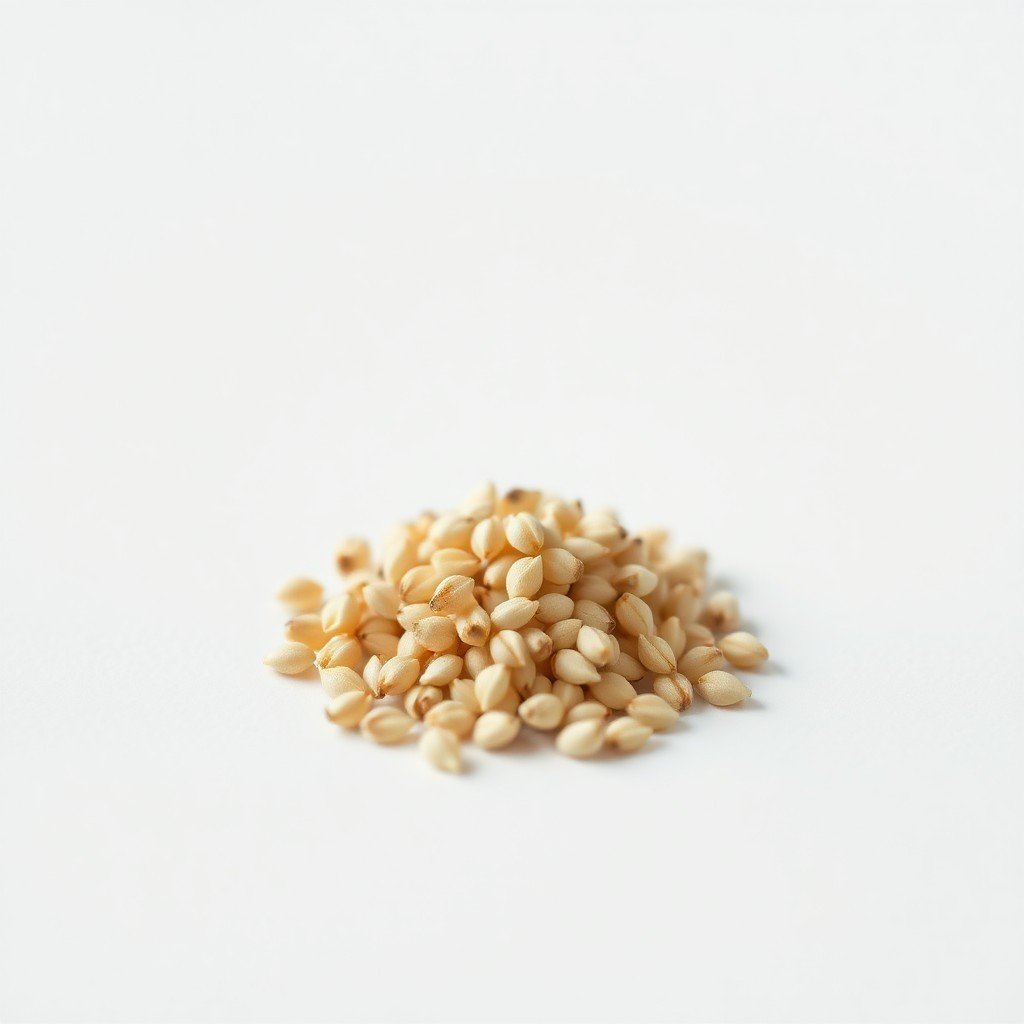
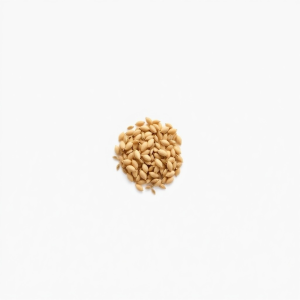
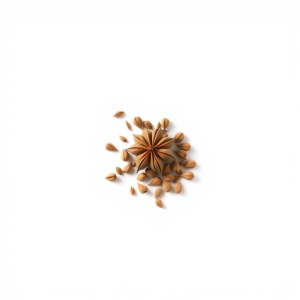
Carnations and Dianthus can be sown before the last frost or in autumn. Annual and perennial types are usually started indoors about 9 to 10 weeks before the last frost, while biennial kinds are sown in late spring or early summer; some Dianthus are also sown in late summer or early autumn for spring bloom. Sow the seed shallowly, as light helps germination, so never bury it deeply; outdoors the seed is simply covered lightly, and biennial types are sown at about 6 mm deep. Seeds of annual and perennial types germinate in roughly 1 to 3 weeks at 15 to 21°C, while biennial types come up in about 10 to 14 days at around 21°C. Start seeds indoors about 8 to 10 weeks before transplanting, then move seedlings out after the last frost or in autumn, spacing the plants about 15 to 25 cm apart. Give them a position in full sun (south-, west- or east-facing), as carnations fail to thrive and flower poorly in shade. They need well-drained, organically rich, gritty loam (they also tolerate sand or chalk) that is neutral to slightly alkaline, with a preferred pH of roughly 6 to 7.5; standing water rots the roots.
Fertilizing
Feed a few times through the growing season with a balanced fertilizer of equal N-P-K (such as 10-10-10) or a phosphate-rich tomato feed. For container and perpetual-flowering carnations that are in active growth, apply a balanced liquid fertiliser about every 10 days. You can also enrich the soil with well-rotted manure or compost together with a balanced fertiliser in spring.
Care
Give carnations medium, even moisture in well-drained soil and water moderately while they are in active growth. Water only once the soil has dried, and avoid overwatering or soggy soil, which causes root rot. Deadhead faded flowers, removing the stems too, to encourage more blooms, and shear the plants back after flowering in late summer to bring on a second flush; regular deadheading or picking extends the flowering period. These are cool-loving plants, hardy to about -10 to -5°C (RHS H4), that perform best with cool summer temperatures and tolerate heat poorly. Divide established perennial plants every 2 to 3 years in early spring or after flowering, and bear in mind that perennial carnations are often best replaced about every 3 years to keep the quality high. Watch for the main pests, which include aphids (they also spread viruses) and mites such as the grass mite and the plump white mites linked to Fusarium bud rot. Common diseases to look out for include rust, gray mould (Botrytis), Fusarium wilt and stem or bud rot, bacterial wilt, Alternaria leaf spot, Phytophthora and Rhizoctonia stem rot, Pythium root rot and crown rot, along with several viruses such as mottle and ring spot.
Growing in Egypt: Carnations are cool-season flowers, so Egypt's mild winter is the ideal growing window rather than the hot summer, when high heat brings poor flowering, stress and more rot and rust pressure. Sow in autumn, roughly late September to November, when day temperatures ease into the favourable 15 to 25°C range and germination proceeds at the optimal 15 to 21°C, then transplant the seedlings out about 8 to 10 weeks later. In the Nile Delta and coastal areas such as Alexandria and Lower Egypt, the mild, near-frost-free winters suit autumn-to-winter sowing for a late-winter to spring bloom of roughly February to May; avoid sowing into the hot May-to-September period. Upper Egypt (Aswan, Luxor) is warmer, so lean toward the cooler end of the season by sowing in November or December and aiming to finish flowering before the intense spring and summer heat arrives, since flowering quality drops sharply once daytime temperatures climb. Provide full sun in winter, but offer light afternoon shade and steady moisture if the season turns warm. Because summers are too hot, across most of Egypt carnations are best treated as a cool-season annual sown each autumn rather than carried through the summer.